presented by Vision Long Island and the Long Island Main Street Alliance June 25th, 2021
|
|||||||
Quote(s) of the Week
|
|||||||
|
|||||||
Suffolk County Legislature Discusses Infrastructure Needs
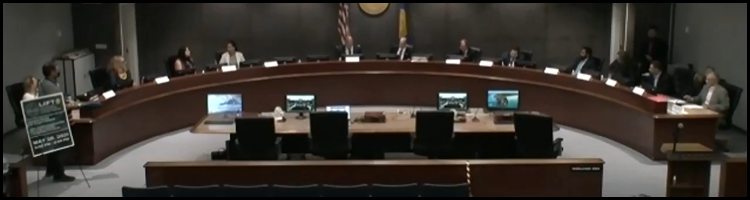
On May 26th, Robert Calarco, Presiding Officer of the Suffolk County Legislature, launched a new initiative, "Long Island's Infrastructure and Future Together," with a roundtable discussion about the role infrastructure will play as the region recovers from the COVID-19 pandemic. “Now, as we begin to recover and transition into a post-COVID world, we must focus on strengthening Suffolk County's infrastructure from the bottom up to capitalize on this reverse migration to keep people and businesses here in the long term," Presiding Officer Calarco explained. Held at the William H. Rogers Building, the roundtable discussion was moderated by Eric Alexander, Director of Vision Long Island and the Long Island Main Street Alliance. This meeting brought together local stakeholders, public agencies, experts, and advocates to work together in identifying ways to prioritize and improve the island's infrastructure to meet the needs and expectations of residents and businesses. The discussion included speakers from industries such as business, energy, labor, building trades, child care, government, and technology. Joining Presiding Officer Calarco and Mr. Alexander were: Legislator Al Krupski; Marc Herbst of the Long Island Contractors Association; Deputy County Executive Peter Scully; Justin Bell of the Long Island Power Authority; Jim McCarthy of IBEW 25; Dr. Jessica Price and Kevin McDonald of The Nature Conservancy; Ty Fuller of the Suffolk County Water Authority; John Cameron of the Long Island Regional Planning Council; Matthew Aracich of Nassau Suffolk Building Trades; Elissa Kyle of Vision Long Island; Jim Morgo of Long Island Builders Institute; Matt Cohen of the Long Island Association; Lisa Tyson of the Long Island Progressive Coalition; Imran Ansari of Discover Long Island; Rebecca Sanin of the Health and Welfare Council; Paul Trapani of the Long Island Software Network; Rob Carpenter of the Long Island Farm Bureau; Ana M. Figueroa of Long Island Head Start; Erica Chase-Gregory of the Small Business Development Center at Farmingdale State College; and Jennifer Rojas of the Child Care Council of Suffolk. Energy and environmental experts and advocates spoke of the work being done to promote alternative energy sources such as wind and solar, pointing to the local presence of New York's three largest solar farms and the wind farm plans for the South Fork. Speakers also identified ways Long Island can continue to make progress, including investing in the area's transmission and distribution infrastructure, adding solar to low-impact sites without sacrificing green spaces, and upgrading bridges and culverts to accommodate the sea-level rise and storm surges. Wastewater was also identified as a significant infrastructure issue that will be critical to future development. Smart Growth advocates identified sewer infrastructure as key to downtown development and walkability and encouraged the development of projects in line with Complete Streets initiatives. Speakers also offered ideas better to utilize Long Island's farming and seafood industries and improve local access to products by building nearby processing facilities. Additionally, child care was raised as a sector that should be prioritized for additional infrastructure funding, as affordable care for children is critical for working families, including farmworkers, and will be an essential factor for women who left the workforce during the pandemic. Building and labor speakers identified the needs for innovative land uses and quality apprenticeship programs and cooperation and efficiency on public works projects. Business leaders spoke of prioritizing investment in downtowns and grant education for small business owners. Also discussed was the potential for a convention center in Suffolk County, the need for broadband in every community, and the importance of inclusion and equity when moving forward with any of these projects. "Investment in infrastructure is essential for protecting our environment, preserving our quality of life, and growing our economy," said John D. Cameron, Jr., P.E., Chairman Long Island Regional Planning Council. “We look forward to continuing to work with lawmakers, partners, and stakeholders to create a more vibrant future for us all," said Kevin McDonald, The Nature Conservancy's Long Island policy advisor. “Along with our community partners, we can make Long Island's energy infrastructure stronger and cleaner by attracting public and private investment in Long Island's economy and continuing to grow our clean energy workforce," said Justin Bell, Vice President of Public Policy and Regulatory Affairs, Long Island Power Authority. “By working towards our shared goals, we will see the creation of thousands of jobs, and we have the opportunity to make Suffolk County a leader when it comes to sustainable economic growth,” Presiding Officer Calarco concluded. To watch a replay of the roundtable discussion, visit Presiding Officer Calarco's Facebook page at https://www.facebook.com/RobertCalarco/. Suffolk Legislature Holds Public Hearing on Law to Allow Regional Planning Input
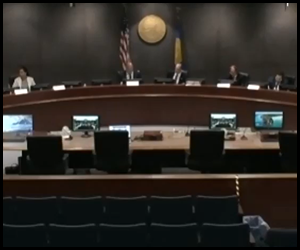
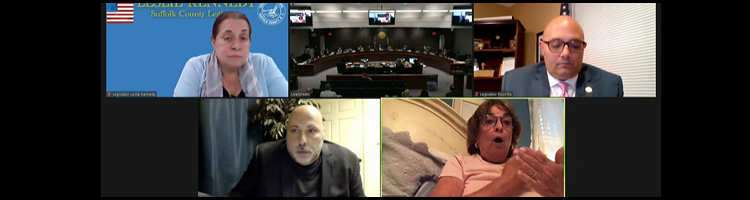
The Suffolk County Legislature held a General Meeting on June 22, 2021. Of note, a public hearing was held for IR No. 1478-2021, a local law to allow regional input of planning commission referrals and meetings. The proposed legislation, introduced by Legislator Kara Hahn, asserts that major commercial development projects that are constructed in one town or village may have enormous and diverse impacts on neighboring municipalities. Pursuant to provisions of state and county law, towns and villages in Suffolk County are required to refer certain zoning actions, subdivisions, and site plans which affect real property lying within 500 feet of the boundary of any town of village, to the Suffolk County Planning Commission for review and recommendation, however, there is no ability for the neighboring towns and villages to share their comments as part of the formal record for the Commission to consider unless the neighboring municipalities share their comments with the referring municipality and request that it be part of the complete referral application to the Commission. The stated purpose of the proposed law is to allow any adjoining municipality within 500 feet of a town or village boundary to interpose an objection to a proposed municipal zoning with the County Planning Commission. Several speakers were heard on this matter. The first speaker, Robert Kozakiewicz, Town Attorney for the Town of Riverhead, who asked the legislators to vote no to advance the proposed legislation. “It goes too far because our ability as local governmental agencies will be further eroded away and we will be once again unable to control our own land use decisions and determinations. We also feel it is unnecessary in light of current General Municipal Law, in particular 239-nn, which already requires towns to notify adjoining municipalities when a special permit hearing is being scheduled, site plan approval, etc. This gives the adjoining municipality an opportunity to not only appear, but also to be heard. We also feel given state law, an adjoining municipality may challenge a decision where they can establish the necessary standing in order to do so” Attorney Kozakiewicz stated that he feels the legislation is unnecessary, too far reaching and the municipality’s Home Rule regarding local zoning and planning would be eroded. Patty Stoddard, vice president of the civic association We Are Smithtown, referring to the ongoing Gyrodyne subdivision matter, asked the legislature to move the proposed legislation forward. “It’s obvious to anyone paying attention that the Suffolk County Planning Commission is in desperate need of reform… The bill before you is a good start.” Phyllis Hart, also of We Are Smithtown, stated, “Developers and their lobbyists have already begun a smear campaign against any reform. Their scare tactics include the idea that this bill would end the so-called Home Rule, but here on Long Island and Suffolk County, what our neighbors do affect everybody.” Suffolk County resident and president of Friends of Stony Brook Road, Lee Krauer stated, “All of you legislators represent the citizens of Suffolk County… Overall, it is your responsibility to protect the citizens of Suffolk County. If you do not pass this legislation, you will not be protecting the citizens of Suffolk County… Every town has the right to know what is going on in their backyard.” Eric Alexander, Director of Vision Long Island and the Long Island Main Street Alliance, spoke about this proposed legislation and took questions from the legislators. “Vision Long Island is on the record for opposing the proposed legislation, 1478 which would expand the powers of the Planning Commission,” Mr. Alexander noted. “We recognize the legislation is probably illegal. Talking to local municipalities, we believe that all ten towns are opposed.” “We understand the intent of the legislation is to get neighboring municipalities input and that’s a good thing, we believe that already happens. Decisions on the local level are not made in a vacuum. There is the NYS DEC, Suffolk County Health Department, the Suffolk County Department of Public Works, the NYS Department of Transportation and multiple public hearings, in addition to the Suffolk County Planning Committee, to name a few,” Mr. Alexander explained. “The NYS SEQRA process is structured in a regional format to allow for broader input. There are tools in place to get regional input.” Mr. Alexander pointed out, “The Suffolk Planning Commission and the Suffolk County Department of Planning are not necessarily any better equipped to manage projects than any town planning departments right now. From the question of how to get the best plan forward with citizen input, nobody wants to cede that to a county entity. We don’t see that in our journey.” Referring to the Gyrodyne matter, “To change the Suffolk Planning Commission in its entirety for the failures of planning on one site is overreaching,” Mr. Alexander noted. “It’s a bad precedent. Last year, in the middle of the pandemic, there were people, not from Long Island, that were trying to get rid of local zoning and weaken Home Rule. They did this in the dead of night, sixty local officials, many Suffolk legislators, opposed that, to their credit. So, we are very concerned about any legislation weakening Home Rule. In fact, in our journey of over 10,000 community meetings in over 23 years where we have listened to the public, 3,000 where we presented, we have not heard that the public wants regional control or regional planning or a group of philosopher kings controlling local communities. In fact, local communities want control of their neighborhoods. What this legislation may inadvertently do is hurt projects that communities support.” Legislator Bridget Fleming acknowledged that she has heard from a number of people that there is certainly a legitimate concern that would call for a hard look at process, but this legislation may be in conflict with the General Municipal Law, and suggested instead, looking at the Planning Commission rules. Legislator Anthony Picacirillo made the comment that often legislators in abutting districts have trouble even getting paperwork for projects, their residents oppose the projects, their voices are not heard, and projects get approved, with tax payer funding on top of it. “They shut the legislator out, they shut the community out, and then the community has to pick up the tab for tax breaks and tax abatements,” Legislator Picacirillo stated. Assistant Town Attorney from the Town of Smithtown, Jennifer Juengst, asked the County Legislature to not act upon IR 1478 for several reasons, one being the law already provides a remedy for the intent of the proposed legislation. Warren Srtugatch, Select Long Island, James Boulkis, president of We Are Smithtown, George Hoffman and Herb Mones, Three Village Civic Association, also spoke against the proposed legislation. Legislator Hahn advised that just days before this hearing, a listening session was held with planners from various towns, including the Towns of Smithtown, East Hampton, Brookhaven, Islip, Babylon, the Suffolk County Planning Commission and Department of Economic Development, and others. “There are more discussions that have to happen here, with civic groups being part of the discussions. This is clearly much needed,” Legislator Hahn concluded. As such, this item was recessed. You can review Intro. Res. No. 1478-2021 here. Video of the June 22, 2021 Suffolk County Legislature General Meeting is available here. Suffolk Transit On-Demand Launches
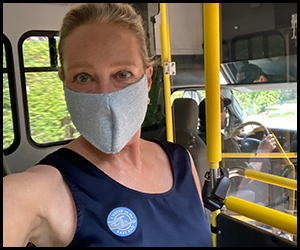
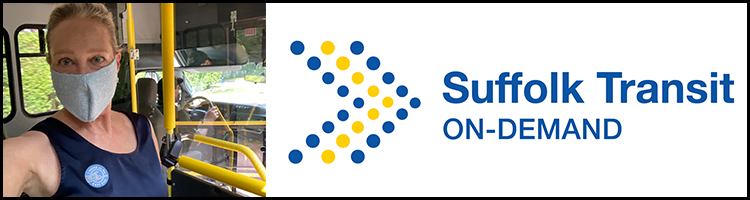
On June 16th, Suffolk County Legislator Bridget Fleming, Chair of the Legislature’s Transportation Working Group, took an inaugural ride on Suffolk Transit On-Demand. Suffolk Transit On-Demand is a pilot service in Southampton that allows customers to book bus rides straight from their cell phones. The coverage area of the pilot coincides with the County’s former 10A bus route, which was cut in 2016 because of budget constraints. Under this ride-sharing pilot program, bus riders use a mobile app to request a trip within the Town of Southampton. After booking a ride, customers will be provided with a “virtual bus stop,” or nearby corner where they will meet their bus driver. “Yesterday I rode the brand-new Suffolk Transit On-Demand,” Legislator Fleming stated. “I’m so glad to see this pilot project get underway. We’re exploring a cost-effective way to replace a fixed bus route - the 10A - that was cut for budget reasons in 2016. It’s a great service! Download the app today.” Service is available throughout Southampton, with popular destinations including Sag Harbor Village, Hampton Jitney, Southampton High School, Stony Brook Southampton Hospital, Southampton Town Hall, Rogers Memorial Library, Stony Brook Southampton Campus, Shinnecock Health Clinic, South Ferry Station, Sag Harbor S92 Station, and the Southampton LIRR station. Rides cost $2.25, with discounts available for youth, students, seniors, people with disabilities, Medicare card holders, and Suffolk County veterans. Legislator Fleming stated, “If it works, if we can support it, this will be replicated in other places.” The pilot will extend for two years in the Southampton/Sag Harbor area. The Suffolk Transit On-Demand app can be downloaded from the App Store or Google Play store. The first five rides are free. You can view the inaugural ride on Facebook here. You can find more information here. Regional Trends Series - Traffic Safety During COVID-19
Recently, the New York Metropolitan Transportation Council (NYMTC) conducted an informative Brown Bag virtual presentation as part of its ongoing Regional Trends Series. Moderated by Gerry Bogacz, Assistant Director at the NYMTC, the subject matter was Traffic Safety during COVID-19. Guest speaker was Chuck DeWeese, Assistant Commissioner for the NYS Governor's Traffic Safety Committee. The NYS Governor's Traffic Safety Committee coordinates traffic safety activities in the state and shares useful, timely information about traffic safety and the state's highway safety grant program. The Committee is comprised of thirteen agencies who have missions related to transportation and safety. The Committee is chaired by the Commissioner of the Department of Motor Vehicles and acts as the state's official liaison with the National Highway Traffic Safety Administration. The unmistakable conclusion of this presentation was COVID-19 has impacted the region’s transportation system in many ways. The impact of the pandemic on traffic safety has been becoming clearer as more data becomes available on transportation trends during the pandemic. Mr. DeWeese provided an overview of the emerging data and its implications for traffic safety going forward. A surprising and important observation presented by Mr. DeWeese was the initial industry-wide belief that as the pandemic hit and the shutdown orders began to take effect, there would be a silver lining when it came to traffic safety. “Well, if we have all these shutdown orders, nobody will be on the roadways,” Mr. DeWeese stated. “What a great thing that will be for our injury and fatality numbers in our state.” Fast-forward sixteen months and Mr. DeWeese reported, “The complete opposite occurred and we were shocked.” Looking nationally, the statistics show that 2020 was the worst year for US traffic deaths since 2007, even as lock-downs meant less driving. “Thirteen years of gains were thrown out the window during the pandemic,” Mr. DeWeese stated. “In fact, 38,680 people died in a traffic accident in 2020, even as vehicle mileage declined significantly in 2020.” This represents a 7.2% increase from 2019. At the same time, vehicle miles traveled declined by more than 13%. Mr. DeWeese reported, the greatest increases were seen with regard to speed. At the federal level, fatalities involving speeding were up 11% across the country, while deaths reported for unrestrained passengers jumped 15%. “While many of our older generation were perishing because of the COVID 19 pandemic, opposite to that, deaths among those 16 to 24 in 2020 rose 15%. Deaths in the 65 to older group actually declined in 2020.” Crash deaths involving alcohol were up 9%. In New York during the pandemic, there was a significant increase in speed related personal injury crashes, including fatalities, Unfortunately, Mr. DeWeese reported, there has not yet been a drop-off in 2021. Fortunately, with respect to pedestrian safety, something New York State excels in, the numbers continue to go in the right direction. Motorcycle fatalities, however, skyrocketed in 2020 and continue to do so in 2021. In New York, regarding impairment related fatality crashes, the reported number is high for 2020, yet the number of citations dropped during that same time period. Mr. DeWeese speculated a reason for the former is that drug/alcohol use may have increased during the pandemic, and a reason for the latter is that law enforcement may not have been out as much as it was pre-pandemic. Number of citations are starting to climb back up. Fortunately, New York did not see what the nation saw regarding increased injuries/fatalities for unrestrained passengers. New York’s numbers remain steady. Mr. DeWeese credits this to the success New York has had with respect to occupant restraint. New York was the first state in the country to have a seat-belt law and there exists a 94% compliance rate. One important question becomes, if there were less vehicle miles traveled on the roadways during the shutdown, why were there increases in speed related crashes? Mr. DeWeese reported that to this day, they are not sure. Some have hypothesized that the riskiest drivers may have been on the road; since schools were not in session, there may have been more inexperienced drivers on the road; and finally, an open road may have acted as an open license to speed. In conclusion, Mr. DeWeese noted, for most part, speeds are way up. “Speed is an often-forgotten topic in highway safety,” Mr. DeWeese explained. “There is no specific pot of money that Congress allocates for just speed enforcement, so we have to use general funds to do speed enforcement details.” Mr. DeWeese emphasized that more money is needed for speed campaigns. He is hoping that money from the infrastructure plan that is being discussed will make its way to traffic safety. You can view the PowerPoint presentation here. |
|||||||
Riverhead Moves Forward on Town Square Design
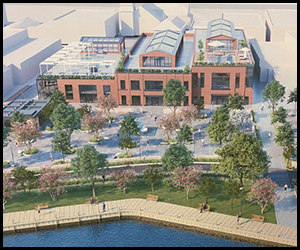
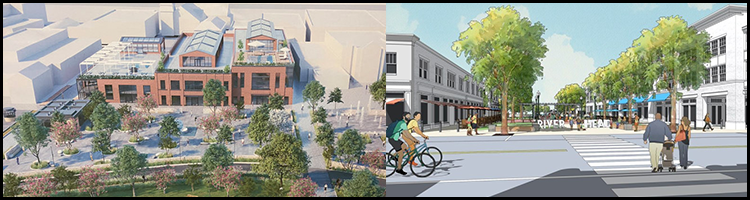
In early 2020, the Town of Riverhead received an $800,000 New York State Empire State Department grant to create a new centralized town square to connect Main Street to the Peconic River, including, recreational amenities and a gathering space. The Town has also received $612,000 in Suffolk County water quality funding and $400,000 in Suffolk County Jump Start funding to move this project forward. The Town Board last month finalized a deal to purchase three East Main Street properties: 117 and 121 East Main Street will be demolished, while 127 East Main Street would remain in place, although it will be extensively renovated. The proposed Town Square will be framed on the west by the new Long Island Science Center at 111 East Main Street. According to the Riverhead News-Review, “Officials said the town plans to submit several additional grant proposals. The town also plans to sell or lease some town-owned land to cover some of its estimated $5.5 million cost.” The Town has held two virtual public meetings to discuss the beginning of the Town Square design process, on April 1st and April 15th. A third virtual public meeting was held on Thursday, May 6th. The town has just released a second online survey to gather specific community feedback in regards to the proposed design. This survey will be available to the public until Friday, July 2nd at 5 PM. Town of Riverhead Supervisor Yvette Aguiar stated, “I am confident that the Town Square will transform the downtown business district into a thriving regional hub that offers an attractive venue for people to live, work and play here in Riverhead. However, we need the public’s continued input to ensure that the Town Square fulfills the needs and desires of the community. I urge all interested residents to take a few minutes and complete the latest survey.” You can find more project information here and here. Check out the Riverhead News-Review article here. Live Music Returns to the Glen Cove Village Square
The Glen Cove Downtown Sounds committee has announced its annual concert series will take place live this summer with a diverse array of artists scheduled to perform on nine Friday evenings in July and August. Beginning July 2nd, bands will be performing in person on the Village Square stage. Produced by the Glen Cove Business Improvement District (BID), Downtown Sounds began in 1997 with local jazz musicians playing at the intersection of Glen and School Streets. “After two years, the Glen Cove BID and the Downtown Sounds Concert Committee are thrilled to be able to present live music for the enjoyment of our community and benefit of our businesses,” said Patricia Holman, Executive Director of the BID. “This year more than ever, we have a diverse lineup that will appeal to a wide range of musical tastes.” This year’s artists will be performing on the Downtown Sounds stage, as opposed to the show mobile that has been used in recent years. In addition to better sound quality, restoration of the stage presentation increases the space available for dancing. The program includes: Downtown Sounds 2021 will be live in-person concerts, but will still be live-streamed through Facebook Live, and broadcast on large screen TVs throughout downtown. Concerts start at 7 PM. You can find more information here. Pink Tie Delivers to Babylon, Baldwin, and Hicksville
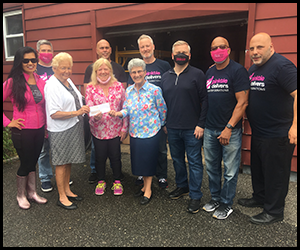
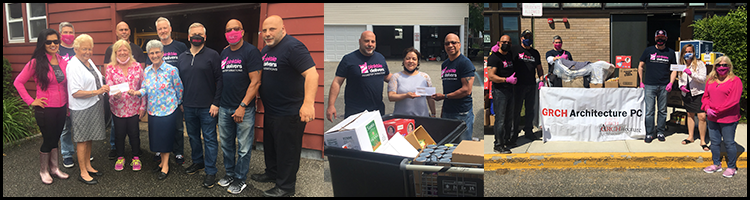
The Pink Tie Delivers team was out the last few weeks, bringing food and financial donations to local food pantries in Babylon, Baldwin and Hicksville. The team visited our friends at Neighbors Supporting Neighbors at North Babylon High School. Their pantry has continued to stay an active food source for families in need. GRCH Architects sponsored this visit to a group that served tens of thousands of Babylon residents through the pandemic. We also had a chance to visit our friends in Baldwin at St. Christopher’s Church Parish Outreach who were busy restocking their pantry and the team was happy to help. Most recently we visited Holy Family Church in Hicksville with Nassau County Legislator Rose Walker. Sister Carol Radositi shared the work they are doing in collaboration with other churches in Hicksville to meet the needs of families, seniors and individuals in need of food. Special thanks to all of our sponsors for these drops: 1st Equity Title, Keller Williams, Chocolate Works Plainview, Sun Nation, GRCH Architecture, and Vision Long Island. Beautiful Memories Gemach from Young Israel in New Hyde Park Donated new clothes as well. The team has stops planned each week through the summer. For more info on how you can take part in the doorstep donation program or join the Delivers Team check out pinktie.org or please email us at contact@pinktie.org |
|||||||
Upcoming PPP & EIDL Workshops
The SBA will be offering several PPP & EIDL Workshops in the upcoming weeks Lead by SBA’s Economic Development Specialist Elaine Powell-Belnavis, these workshops will cover the following: • Latest updates of the Paycheck Protection Program (PPP) and PPP Forgiveness. You can register for each of the workshops at the below links: Thurs. July 1, 2021 at 9:30am (SBA and Tech Incubator at Queens College) Thurs. July 15, 2021 at 9:30am (SBA and York College SBDC) Tue. July 20, 2021 at 7:00pm (SBA and Finkelstein Memorial Library) |
|||||||
The NYS Emergency Rental Assistance Program (ERAP) Opened June 1, 2021
The New York State Emergency Rental Assistance Program (ERAP) provides economic relief to help low and moderate-income households at risk of experiencing homelessness or housing instability by providing rental arrears, temporary rental assistance and utility arrears assistance. Seven communities that received funding for emergency rental assistance directly from the federal government opted to administer their own programs. Residents of the Towns of Hempstead, Islip and Oyster Bay must apply with their local programs for emergency rental assistance and are ineligible for assistance from the state-administered Emergency Rental Assistance Program. Town of Hempstead: https://www.lihp.org/herapintake.html Eligibility: New York residents are eligible for ERAP if they meet all of the following criteria: • Household gross income is at or below 80 percent of the Area Median Income (AMI). These income limits differ by county and household size. A household may qualify based on current income or calendar year 2020 income that is at or below 80 percent AMI. There are no immigration status requirements to qualify for the program. Households eligible for rental arrears may also be eligible for help paying utility arrears at the same rental unit. Priority Applications: For the first 30 days of the program, priority will be given to households in the following order: 1.Households with income at or below 50 percent of the Area Median Income (AMI) that also include a household member who: • Is currently unemployed for at least 90 days; or 2. Households with income at or below 50 percent AMI 3. Households with income at or below 80 percent AMI that also include a household member who: • Is currently unemployed for at least 90 days; or 4. Households with income at or below 80 percent AMI After the first 30 days, applications for all eligible households will be processed on a first-come, first-served basis, as long as funds remain available. Benefits: Households approved for ERAP may receive: • Up to 12 months of rental arrears payments for rents accrued on or after March 13, 2020. Payments will be made directly to the landlord/property owner and utility company on behalf of the tenant. Tenant applicants will be notified of the amounts paid on their behalf. If a landlord is difficult to locate or does not otherwise provide information needed to complete the application, funds will be held for up to 180 days to allow sufficient time to locate the landlord and collect required information as well as to provide tenant protections and maximize landlord participation. Please note: Once the application is started, all questions must be answered and the application signed and saved to submit the application. There currently is no way to save a partially completed application. Applicants are encouraged to gather all the information needed before starting an application including income of household members and rental amounts. NYS Coronavirus Relief Grant Program Opens for Small Businesses
The NYS Legislature has approved $800 million in grants for small businesses across New York. Applications are now open for anyone who is eligible to apply. The following is from New York State’s website: The New York State COVID-19 Pandemic Small Business Recovery Grant Program was created to provide flexible grant assistance to currently viable small businesses, micro-businesses and for-profit independent arts and cultural organizations in the State of New York who have experienced economic hardship due to the COVID-19 pandemic. Grant awards will be calculated based on a business’s annual gross receipts for 2019 (see below for more information). Grant amounts and calculations are subject to change by Empire State Development. Annual gross receipts: $25,000 – $49,999.99: Award is $5,000 / business Small businesses, Micro-businesses, and For-profit independent arts and cultural organizations (collectively, “Eligible Applicants”) must be currently viable and have begun operation on or before March 1, 2019, and continue to be in operation as of the date of application (maybe shuttered due to COVID restrictions). See the FAQ section below for definitions of business categories above. Eligible Applicants will be required to show loss of gross receipts as a result of the COVID-19 pandemic or compliance with COVID-19 health and safety protocols which resulted in business modifications, interruptions, or closures. Small businesses and Micro-businesses must: 1. Have 2019 or 2020 Gross Receipts of between $25,000 and $500,000 per annum More information on the grants as well as a guide on how to apply is available here. The New York State Council on the Arts (NYSCA) Offering Four Rounds of Grants
Created by Governor Nelson Rockefeller in 1960 and continued and expanded to the present day, NYSCA will make available $105 million in critical arts and cultural funding. The grants will aid in the arts sector's multi-year recovery from COVID-19 and spur the revitalization of New York's creative economy, which fosters $123 billion annually in economic activity and supports more than 500,000 jobs statewide. There will be four rounds of funding, with $20 million already committed to multi-year awards in the first round. Each round is designed to address the most urgent needs of organizations and artists within New York's nonprofit creative sector. Restart NY: Rapid Live Performance Grants ($10 million): Support will directly address the area of the arts sector hardest hit by COVID-19, and reinvigorate near term, in-person performance opportunities. This funding will prioritize the recovery of New York's unparalleled performance organizations, venues, artists, and groups. This $10 million opportunity offers both direct support from NYSCA and regrant support through NYSCA's Partnerships and Statewide Community Regrants program. Grants of $5,000 and $10,000 will be available for eligible performing arts organizations for planned performance programming in 2021. Support provided through the Community Regrants Program, which will focus on reviving performance on a very local level, will be administered by NYSCA partners statewide. The goal of this regrant support is to reach small, local organizations that do not receive direct grants from NYSCA. Round 1 guidelines and portal for direct NYSCA Rapid Live Performance Grants will open on June 16. Application portal will close July 1. Expanded Access to Funding ($15 million): Support will expand NYSCA's current network of valued regrant partners to reach New York's vast and diverse community of artists and organizations. Funding will be distributed through NYSCA Partnerships and Statewide Community Regrants. Increased support at the local level will ensure more communities, organizations, and individuals will have access to NYSCA funding. Round 2 guidelines will be posted June 16, 2021. Application portal will open on July 19 and close August 2. Organizational and Individual Artist Recovery ($40 million): Support will broaden individual artist assistance and deliver extremely flexible funding for organizations through a streamlined application experience. Grants offered in this round will greatly expand eligibility and encourage new applicants across a wide spectrum of artistic and cultural practices. Priority will be given to applicants that serve historically underrepresented communities. Round 3 guidelines will be posted on June 16. Application portal will open July 19 and close September. Capital Funding for the Arts ($20 million): Support will assist organizations in making improvements to address health and safety issues in their spaces and venues among other needs. Any New York State nonprofit arts and culture organization is encouraged to apply. Round 4 guidelines and application portal will open in September. You can find more information here. Nassau County Reopens Restaurant Recovery Grant Program
Nassau County Executive Laura Curran is pleased to reopen the portal below to accept more applications for the Restaurant Recovery Grant Program (RRGP). The program is intended to support full-service restaurants – the industry hit hardest by the pandemic – during the winter months when outdoor dining is limited and as restaurants adjust to New York State’s COVID-19 safety restrictions and new mandates. Minority- and Women-Owned Business Enterprises (M/WBEs) are encouraged to apply. Nassau County is using funding made available through the federal Community Development Block Grant (CDBG) program to provide grants to restaurants. Grant funds are valued at either $5,000 or $10,000 depending on the number of employees. If you have not already begun the application process and would like to APPLY, click here: https://zoomgrants.tools/zgf/nassaurestaurantrecovery Eligible businesses that have been APPROVED to receive Restaurant Recovery Grant Program (RRGP) funding are shown in the list at this link. These businesses will receive a direct email from the Restaurant Recovery team this week, requesting confirmation of bank details so that the grant can be disbursed. Please watch for the email from nassaurestaurants@ndconline.org. Restaurants that have applied to the RRGP but do NOT see their business on the list at the above link must get in touch with the Restaurant Recovery team immediately to complete their applications at nassaurestaurants@ndconline.org and 1-646-825-9617. For any questions, please contact the Restaurant Recovery team at nassaurestaurants@ndconline.org and 1-646-825-9617. Questions? Please email any RRGP questions to the Restaurant Recovery team at mailto:nassaurestaurants@ndconline.org. Check back to this webpage for any RRGP updates! Program Eligibility Criteria Eligible Businesses • Full-Service Restaurants (NAICS code 722511) engaged in providing food services and meals prepared on-premises to patrons who traditionally order and are served while seated (i.e., waiter/waitress service) General Eligibility • Located in Nassau County Eligible Expenses • Grant funds to cover working capital and operating expenses including: Ineligible Businesses • Non-profit organizations Keep an eye on the restaurant recovery page on Nassau County’s website for more information and to apply once the grant program becomes available. PSEG LI is Helping the Local Economy Weather COVID
PSEG Long Island is proud to announce funding for the Outdoor Spaces program has been renewed for a limited time. More than $2 million in grants and discounts were provided last year to help more than 1,000 local businesses and organizations meet the ever-evolving challenges of COVID-19 and continue to thrive. “PSEG Long Island knows that small and medium-sized businesses are the backbone of our communities and our local economy,” said John Keating, manager of Economic and Community Development at PSEG Long Island. “Even before the pandemic transformed all of our lives, we were offering grants and discounts to encourage foot traffic in downtown commercial districts and bring businesses into empty storefronts. We evolved our programs to address the new realities our commercial customers are seeing, and the response has been enormous.” PSEG continues to offer Main Street Revitalization grants and Vacant Storefront discounts to businesses. In 2020, the company also began offering “Outdoor Spaces” grants to local chambers of commerce to help transform sidewalk areas and plazas with the seating, lighting and heating needed to keep customers dining and shopping locally. Limited funding for this grant program will be renewed for 2021 on a first come, first served basis. The program will offer funding of up to $5,000 to a Chamber of Commerce or Business Improvement District. Applications will be accepted until June 1, 2021. Here is a breakdown of PSEG Long Island’s 2020 support of local businesses: Small Business First • Supplemented PSEG Long Island’s already significant energy efficiency rebates with $1.8 million in PSEG Long Island Economic Development funding, allowing most projects to be done with no customer cost. Outdoor Spaces • PSEG Long Island approved 29 applications, representing a total of more than $125,000. Main Street Revitalization • More than $254,000 was provided to businesses and organizations through standard Main Street Revitalization grants in 2020, supporting upgrades and projects at restaurants, arts centers, breweries and more. To learn more about all the programs PSEG Long Island offers to support local businesses, please visit this site. SBA Shuttered Venue Operators Grant Applications
The U.S. Small Business Administration (SBA) has a splash page for the Shuttered Venue Operators Grant (SVOG) application portal in anticipation of opening applications for the much-anticipated critical economic relief program on Thursday, April 8, 2021. “Help is here for venue operators hit hard by the COVID-19 pandemic. The SBA has worked diligently to build the Shuttered Venue Operators Grant program from the ground up to assist and address the diverse eligibility requirements of each type of applicant and we will open for applications on April 8th.” SBA Administrator Isabella Casillas Guzman said. “This vital economic aid will provide a much-needed lifeline for live venues, museums, movie theatres and many more.” The SVOG program was established by the Economic Aid to Hard Hit Small Businesses, Nonprofits and Venues Act, which appropriated $15 billion for it. The American Rescue Plan Act, signed into law by President Joe Biden on March 11, 2021, appropriated an additional $1.25 billion, bringing the program funding to a total of $16.25 billion, with more than $16 billion allocated for grants. To ensure eligible venues do not miss a window to receive assistance through the Paycheck Protection Program, the American Rescue Plan Act also amended the SVOG program so entities that apply for a PPP loan after Dec. 27, 2020, can also apply for an SVOG, with the eligible entity’s SVOG to be reduced by the PPP loan amount. The PPP loan applications have been updated to reflect this. For more information, click here for the dedicated SBA SVOG portal: https://www.svograntportal.sba.gov/s/ EBB Program Available for People Seeking Affordable Internet
U.S Representative Kathleen Rice (NY-04) urges eligible constituents and Long Islanders to enroll in the Emergency Broadband Benefit (EBB) Program to receive a discount on their monthly internet bill. Representative Rice, describing the EBB program as groundbreaking, details that the new program was established by Congress to help economically vulnerable Americans afford their monthly internet bill during the COVID-19 pandemic. Eligible households can receive a discount of $50 off the monthly cost of home internet service, and a one-time discount of $100 to purchase a new laptop, tablet, or desktop computer. Representative Rice supported the creation of the $3.2 billion program as part of the final omnibus appropriations bill passed in December 2020, and the program has recently begun accepting applications. Long Islanders are urged to visit the FCC’s new enrollment office to see if they qualify. You can read more at the FCC website here. You can find more information here. $150 Million to be Distributed to Local Communities through Outdoor Recreation Grant Program
On May 10, 2021, the Department of the Interior announced the National Park Service will distribute $150 million to communities through the Outdoor Recreation Legacy Partnership (ORLP) grant program to help states and local communities create close-to-home outdoor recreation experiences. This program, established in 2014, enables urban?communities to?create new outdoor recreation spaces, reinvigorate existing parks, and form connections between people and the outdoors?in economically underserved communities. The announcement comes on the heels of the Biden-Harris administration’s newly launched “America the Beautiful” initiative to support locally led, voluntary conservation and restoration efforts that address the nature and climate crises, improve equitable access to the outdoors, and strengthen the economy. Providing safe outdoor spaces for communities that are park-deprived is one of six areas of focus identified in the report. During this grant cycle, open May 10 through September 24, 2021, the National Park Service will be awarding between $300,000 and $5 million to state and local governments. State agencies must be the lead applicant for this grant opportunity, but they may apply for funds on behalf of a local government. This grant program provides funding to renovate existing parks or create new outdoor recreation space in underserved communities. You can read the Department of the Interior’s full press release here. You can view past examples of projects here. NY Forward Loan Fund
New York State has opened pre-applications for the New York Forward Loan Fund. Loans from this fund are available to small businesses, nonprofits, and small landlords in New York State. New York Forward loans must be fully repaid over a 5-year term with fixed annual interest rates of 3 percent for small businesses and landlords. Small businesses may apply for the lesser of $100,000 or up to 100% of the average monthly revenues in any 3-month period from 2019 or the first quarter of 2020. This loan can be paid back over five years with first year being interest only. However, if small businesses have received either a PPP loan or an EIDL loan from SBA, they would not be eligible to apply. NYS has set a goal of 18% of total funds under this Program for Long Island Applications will be reviewed on a rolling basis as industries and regions reopen however, priority for New York Forward Loans will be given to industries and regions that have been reopened. Resources are available to assist in preparing applications for small businesses, landlords and nonprofits in industries and regions that have not yet reopened. To view more details, including eligibility requirements and how to apply, click here: If you need technical assistance through this process, please contact an Entrepreneurial Assistance Center near you and inform the counselor that you need help for the NY Forward Loan application. You can find your closest contact center here. |
|||||||
Our SponsorSt. Joseph's College
Since 1916, St. Joseph's College has provided an affordable liberal arts education to a diverse group of students. Independent and coeducational, St. Joseph's prepares students for lives of integrity, intellectual and spiritual values, social responsibility and service; lives that are worthy of the College's motto, Esse non videri — "To be, not to seem." St. Joseph's Long Island Campus challenges its approximately 3,300 students to develop their full potential and a joy of learning. With more than 400 faculty members, the College enjoys a student-to-faculty ratio that provides individual attention in an open, supportive atmosphere. The Long Island Campus of St. Joseph’s is located in Patchogue at 155 West Roe Boulevard, directly off Sunrise Highway. Located on the South Shore of eastern Long Island, the Long Island Campus is just minutes from the Great South Bay, Long Island MacArthur Airport, Brookhaven National Laboratory, Orient Point and many of Long Island’s ocean beaches. New York City is just a short ride on the Long Island Rail Road. |
|||||||
Smart TalkContributors: We strive to provide continued quality publications like this every week. If you have any news or events that you would like to add to our newsletter, submit them to info@visionlongisland.org for consideration. If you are interested in becoming a newsletter or news blast sponsor, please call the office at 631-261-0242 for rates and opportunities. Vision Long Island Home | Contact Us | Donate | About Us |
|||||||