
21st Annual Smart Growth Summit Draws over 1,000
Long Island Community, Business & Government Leaders
United to work to help bring Resources to Main Street
Businesses, Advance Downtown Redevelopment,
Affordable Housing & Infrastructure
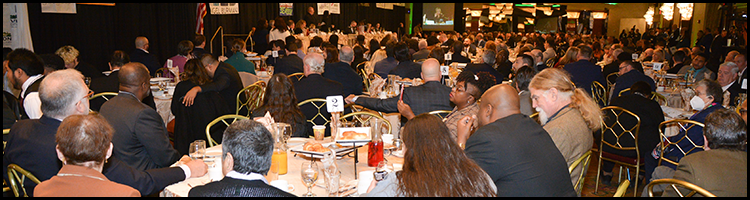
Vision Long Island’s 21st Annual Smart Growth Summit, held on December 2, 2022, at the Crest Hollow Country Club in Woodbury, brought together over 140 speakers, twenty work sessions, nearly 1,000 participants, thirty-five updates from different Long Island Main Streets and a Youth Summit. Attendees and speakers included elected officials, small businesses, chambers of commerce, community friendly developers, community leaders, high school students, human service and labors leaders, local municipalities, and environmentalists.
The Summit began with its customary and informative state of the towns and villages plenary session, followed by workshops throughout the day focusing on topics such as affordable housing, transit-oriented development, wastewater and infrastructure, clean energy, transportation and much more. Lunchtime saw local elected officials discussing the importance of working together for local communities.
Welcoming attendees, Eric Alexander, Director of Vision Long Island and the Long Island Main Street Alliance, shared the Summit’s theme of Working Collaboratively. “This gathering of over 1000 LI Leaders each year is inspiring and productive. We will need all the talents of our community, government and small business leaders to manage through the chaos in public life right now. Pulling together to bring resources directly to Long Island from NYS and the federal government is one of the first items to tackle in this years budget process in Washington and Albany.”
State of the Towns and Villages Plenary Session
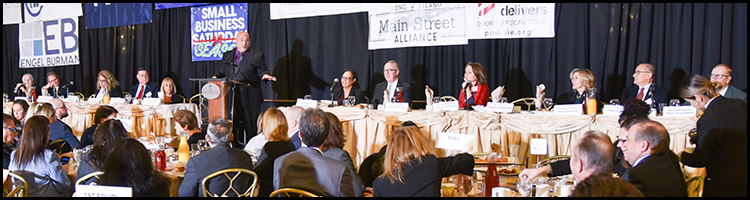
The Summit’s traditional State of the Towns and Villages Plenary Session brought to the dais elected officials from all across Long Island. The session was moderated by Joye Brown of Newsday who drilled down on some of the most important issues facing local towns and villages right now, including multi-family housing. “Long Island is taking a beating over multi-family housing,” Ms. Brown began. “We are compared a lot to New York City. NYC has one entity; Long Island, however, is a community of communities. The folks on this dais represent the communities within our communities.” Ms. Brown started by asking the panelists, “What is going on with smart development, smart housing, in your town, village and city?”
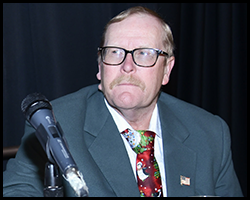
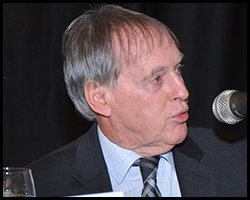
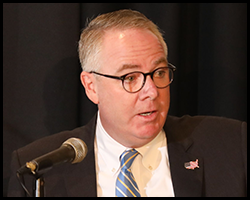
Hon. Ralph Ekstrand, Farmingdale Village Mayor – Farmingdale has done a tremendous amount of smart growth redevelopment. “Right now, we have shovel in the ground for the first 100% affordable workforce housing unit. It is seventy-one units, with income levels off $55,000 to $90,000.”
Hon. Ed Wehrheim, Smithtown Town Supervisor – “We are working on transit-oriented development in Smithtown. We have 188 units in Nesconset, ninety-eight apartments up and occupied in Commack, thirty-six units in Kings Park, and across from Town Hall, we have seventy-two market rate units. We are moving along in Smithtown, with not only single-family development, but also with multi-family housing. Multi-family housing, in our opinion, is how your business districts thrive. That’s how your town survives.”
Hon. Don Clavin, Hempstead Town Supervisor – Discussing Baldwin, the Supervisor advised there will soon be over 200 units, with retail on the bottom. “It is really the start of the process of revitalization of downtown Baldwin. When you put aside partisan politics, you have great success.”
Hon. Yvette Aguiar, Riverhead Town Supervisor – “Concerning affordable housing in Riverhead, we do have fourteen senior communities. We are in the process of creating a town square which will include different types of housing, mixed-use, shops. We have all learned that you need different types of housing to promote your downtowns.”
Hon. Jennifer DeSana, North Hempstead Town Supervisor – “There are few projects percolating. Something interesting about the Town of North Hempstead, we have thirty-one villages. We have to work together with the mayors in order to revitalize downtowns. There are many myths about multi-family development. It is very important that people in this room stand together and bust these myths.”
Hon. Angie Carpenter, Islip Town Supervisor – “When you talk about affordable housing, the Town of Islip probably was one of the first over thirty-five years ago. Between the 1,400 units the CDA was able to effectuate, and another 1,000 from the Town using our zoning powers, we have had a lot of affordable housing opportunities.” The Town is offering incentives for more density if developers go to twenty percent affordable.
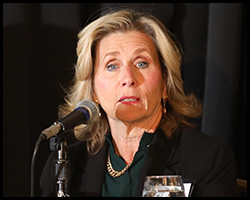
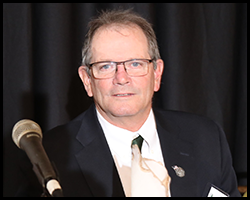
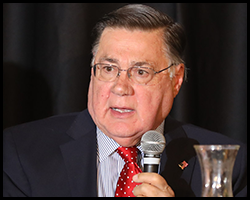
Hon. Pam Panzenbeck, City of Glen Cove Mayor – “We have our fabulous Garvies Point redevelopment project where we have condos, two apartment buildings with 176 apartments in each building. They have workforce and affordable housing components. We also have the Village Square in the center of our town, with approximately 170 apartments as well. We are currently building Georgica Green, with fifty-five affordable units. We need more and are looking to do more.”
Hon. Dennis Siry, Amityville Village Mayor – “Amityville is a small village. It is hard to balance out that small village feel and also grow. You learn different ways to do it and you know multiple family units are the way to go. You are not getting downtowns revitalized without getting people in. Since we have started with a transit-oriented district, we have had a 119-unit multiple family project go up. We have Avalon Bay coming with 338 units, proposing another 168 units.” High end restaurants are coming in.
Hon. Ed Romaine, Brookhaven Town Supervisor – “We are seeing a tremendous amount of growth in Brookhaven. The two most active villages are Patchogue and Port Jefferson. They are each building several hundred units of multi-family housing that are transit oriented. In our town, the name of the game is redevelopment. We have some very active redevelopment projects.” These project areas include Bellport, East Patchogue, and Brookhaven. “We need rail and bus to tie into multi-family.”
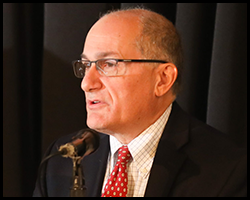
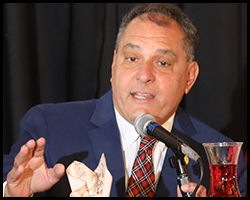

Hon. Peter Cavallaro, Westbury Village Mayor – “In our downtown, we start out with 800 multi-family units, but we have also rezoned fifty-two acres around our train station to implement transit-oriented zone. We are implementing projects as a result of this. All toll, we have about 600 or 700 units that are in development or planned over the next four or five years. Our TOD development also incentivizes developers to do a higher percent of affordability than would be required.”
Hon. Joseph Saladino, Oyster Bay Town Supervisor – “Mixed-use in our downtowns is very important and we have seen a lot of success and we will continue to help. One way we help is by taking away the hurdles the business community and developers have let us know is a big problem.”
Hon Waylyn Hobbs, Hempstead Village Mayor – “We are excited about the development that is getting ready to take place in our downtown. We have several shovel ready projects. We have federal and state funding to address our infrastructure, water and sewer. We are now able to speak the vision of Hempstead.”
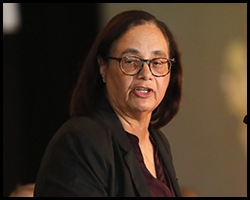
The panelists also discussed the need for meaningful infrastructure and environmental funding, post-pandemic effects in downtowns, congestion pricing, and race integration/diversity.
“The many public health and economic challenges we have faced over the past few years have taught us that it takes a collaborative effort to overcome adversity and keep moving forward. I am proud to join with my fellow public servants and other community leaders at the 2022 Long Island Smart Growth Summit to further this goal. Together, we can make Long Island and even better place in which to live, work and raise a family." - Hempstead Town Supervisor Donald X. Clavin, Jr.
“We thank Eric Alexander, who profoundly advocates for smart growth on Long Island and for putting together this exceptional event. Here in Riverhead, we thank Eric for his passion, foresight and vision to view growth with a different lens, as evidenced here today.” - Riverhead Town Supervisor Yvette Aguiar.
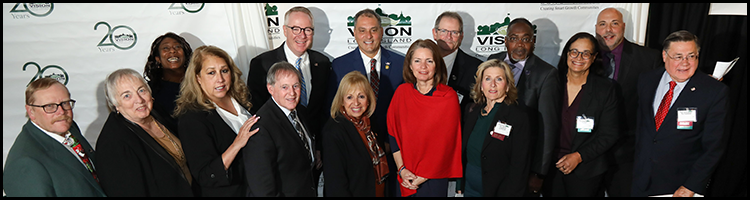
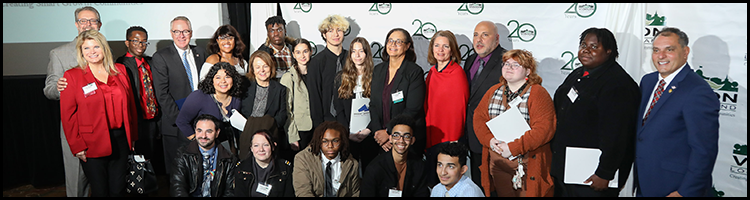
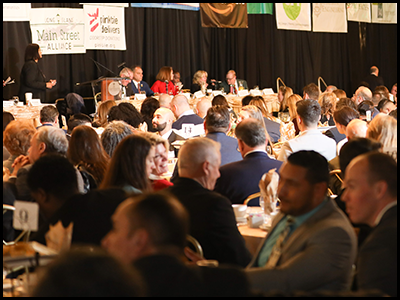
You can view the complete State of the Towns and Villages Plenary session here.
Returning to Small Business
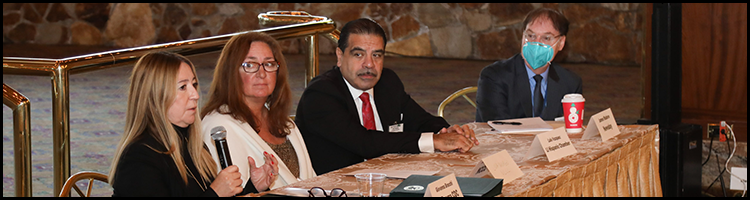
Participating in the Returning to Small Business panel was Luis Vazquez, President of LI Hispanic Chamber of Commerce; Lisa Dellipizzi, Secretary of Nassau Council of Chambers; Giovanna Bracchi, Executive Director of La Fuerza CDC; and moderator James Madore, Newsday. The session focused on how the panelists’ organizations are helping local small businesses.
Mr. Vasquez explained the more the Latino business community knows, the more it connects with Main Street, government, community, the more successful the businesses will be. This is the goal and role of the LI Hispanic Chamber of Commerce. “The idea is to use the educational resources of chambers,” Mr. Vasquez stated. “If you are able to connect and communicate with others, this is how your small business will survive.”
It is important for small businesses to be involved in local chambers, to help the community, to promote small business, Ms. Dellipizzi explained. Small businesses have to be in this together.
La Fuerza is a Long Island community development financial institution committed to small businesses. Ms. Bracchi outlined the organization’s three major programs: training workshops; complimentary credit counseling; and micro-loan program. “We network, we have resources to help small businesses,” Ms. Bracchi stated.
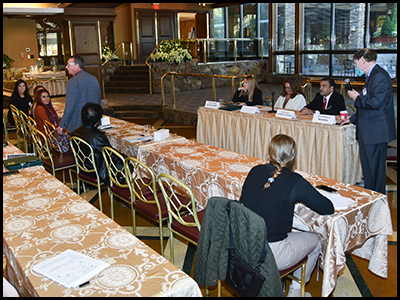
You can view the complete Returning to Small Business session here.
Creating Human Centered Places
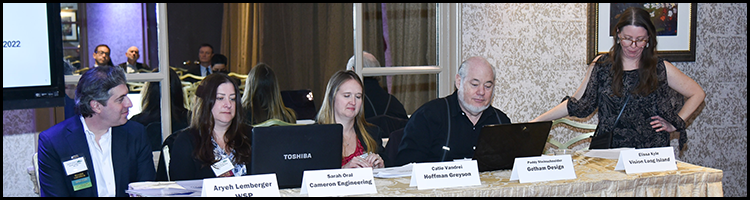
Elissa Kyle, Placemaking Director at Vision Long Island and panel moderator, explained the purpose of the session was to discuss what makes physical places, more particularly public spaces, places where people want to spend time. Panelists included Aryeh Lemberger of WSP USA, Sarah Oral with Cameron Engineering, Catie Vandrei from Hoffman Graysoan Architects, and Paddy Steinschneider of Gotham Design.
Ms. Vandrei explained, “When we are creating places for people, we have to remember to put the people first. We have to give them sidewalks. We have to make places where they want to be.” Ms. Vandrei described a variety of factors to consider, including pulling buildings to the street, creating a sense of enclosure, shade, safety, interesting building design, transparency, scale and amenities.
When talking about human places, Mr. Steinschneider explained it is important to differentiate between two separate places that are very important to connect to each other. One is the place you are gathering and the other is how you are getting there.
Mr. Lemberger focused on three different elements during his discussion of creating a human place. These elements include street, sidewalk, and frontage. “Improvements in one, will have impacts on the others,” Mr. Lemberger explained. It is important to improve all three to have a positive impact, offering a roadmap to accomplish this.
Ms. Oral’s presentation focused on side access and driveway design. They are important as this is where vehicles and pedestrians in the downtown area tend to interact. “We don’t want there to be a physical interaction between the two,” Ms. Oral stated. Discussed were concepts such as quantity, frequency and type of driveway access, site distance, high visibility crosswalks, and dedicated pedestrian walkways.
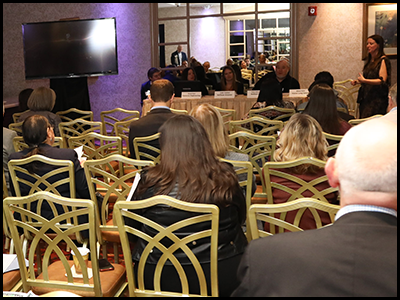
You can view the complete Creating Human Centered Places session here.
TODs Moving Forward

Discussing Transit Oriented Development Moving Forward, panelists Greg DeRosa from G2D, Rob Gitto of the Gitto Group, Blaine Kneeshaw from Mill Creek Residential Trust, Lisa Pace of 11 Maple Bay Shore, and Joe Yacobellis from Mojo Stumer, joined moderator John Chillemi of Ruskin Moscou Faltischek to discuss current TOD projects. One common thread throughout the discussion, successful projects are realized when developer, municipality and community work together.
Joe Yacobellis - Warner Avenue Project, Roslyn. Situated directly across the street from the Roslyn Long Island Rail Road train station, this $50 million project is a mixed-use development featuring 54 apartments, 6,600 square feet of ground floor retail, and 104 parking spaces.
Lisa Pace - 11 Maple Avenue Project, Bay Shore. This $30 million mixed-use project consists of 90-unit luxury apartments with 1,800 square feet of retail space on a 1.7-acre site, within walking distance of the ferry, railroad, bars and restaurants. The project took 17 years to be realized.
Blaine Kneeshaw - 103-29 Woodfield Road, West Hempstead. This $71.5 million project will consist of 150-unit apartments, sitting on the 2.34-acre site of the long-closed Western Beef supermarket. It is in walking distance to the West Hempstead train station. A second TOD project in the works is a mixed-use complex on the south side of the Westbury train station on Railroad Avenue.
Rob Gitto - 52 Barnum Avenue, Port Jefferson. Opened in 2021, The Brookport is a three-story mixed-use project on the site of the former Cappy’s Carpets. It consists of 44 fully leased apartments with retail. One North, a mixed-use project on the corner of Main Street and North Country Road in Port Jefferson, is a three-story apartment-retail complex, on the former site of the Lobster House, and is within walking distance of the Port Jefferson railroad station. When completed in March 2024, it will include 35 apartments over 1,800 square feet of commercial/retail space.
Greg DeRosa - The Shipyard, 331 East Main Street, Riverhead. Located in Downtown Riverhead, this $15M mixed-use project is a four-story residential building consisting of 36 luxury units, with 880 square feet of commercial space. Another upcoming project will be located at 205 Osborn Avenue in Riverhead, close to the train station. It will include a 37-unit apartment, with 4,400 square feet of commercial/retail space on the first floor.
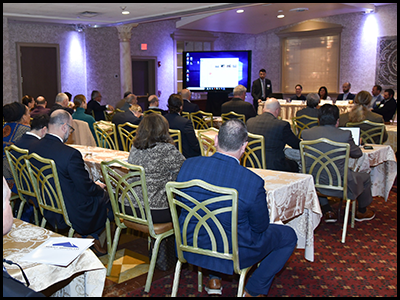
You can view the complete TODs Moving Forward session here.
Understanding Human Needs
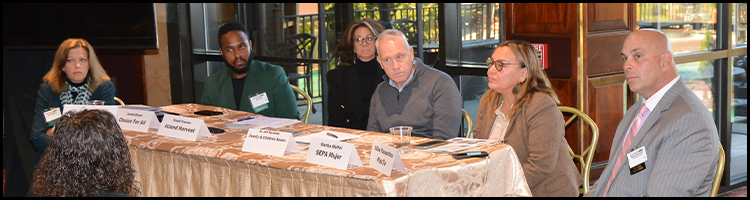
Moderating the Understanding Human Needs panel was Mike Passantino of PinkTie. Speakers included Jacob Dixon, Choice For All; Randi Dresner, Island Harvest; Susan Kessler, Western Suffolk BOCES; Dr. Jeff Reynolds, Family & Children Association; and Martha Maffel, SEPA Mujer.
Ms. Kessler explained, while Western Suffolk BOCES is an educational entity, it receives grant funding that allows it to work with other entities and people within communities on such efforts as creating healthy schools and communities. “We are the outside agency that helps support good work being done,” Ms. Kessler noted.
Choice For All works towards achieving education, health, and economic justice, along with leadership development, for children and their families. Mr. Dixon explained, “Depending on zip codes, disparities exist. Our work depends on intentional collaboration with others.”
Ms. Dresner discussed the work of Island Harvest, more particularly, the new direction it is taking. “We are not going to end hunger by giving someone food. We are going to have an impact, and that impact is important because we are going to help people for that day. We know it will take more than that to end hunger here.” Ms. Dresner explained that it is up to government to make the needed change to help people in our communities. “We all need to work together and look through a different lens now.” Island Harvest has a building now that not only houses food people need, but is also home to programs to help people that need that food, the latter becoming almost more important than the former in the pursuit to end hunger and reduce food waste on Long Island.
Discussing Family & Children Association, Dr. Reynolds described the work of the 139-year organization. Running over 40 different programs including everything from a nursery cooperative for new immigrants, to chemical dependency services, children’s mental health services, and senior services. “Most of our funding comes from government, which is both a blessing and a curse,” Dr. Reynolds noted, “but the collaboration that has been emerging in this region has been nothing short of phenomenal.”
Ms. Maffel discussed SEPA Mujer, whose goal it is to empower Latina women and girls who have been discriminated against, teaching them to become their own advocates. “We want to empower women who have been discriminated against,” Ms. Maffel explained. During this discussion, important issues were raised, including transportation, language barriers, domestic violence and fair salaries.
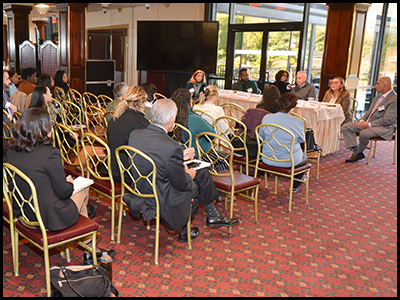
You can view the complete Understanding Human Needs session here.
Rethinking Commercial and Industrial Development
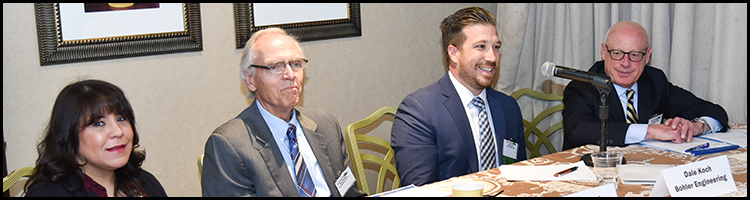
Moderating the Rethinking Commercial and Industrial Development session was Michael Sahn of Sahn Ward Braff Koblenz. The panel included Simone Freeman from Jaspan Schlesinger, Gary Rozmus of GEI Consultants and Dale Koch from Bohler Engineering. The discussion centered around commercial development and some of the important factors that are trending which will influence how commercial property and real estate gets developed in the next few years.
Mr. Sahn stated, “The key word is rethinking. There are so many new issues that are impacting how to go about commercial and industrial development, among them climate change, need for new transportation systems, new energy sources, coastal resiliency, the change in the economy from the traditional shopping center mall to more of the last mile delivery and distribution sites.”
Mr. Koch discussed the impacts of sewer and sanitary systems. Mr. Rozmus focused on the impact of environmental/climate change, resiliency and sustainability, and Ms. Freeman concentrated on trending alternative energy sources.
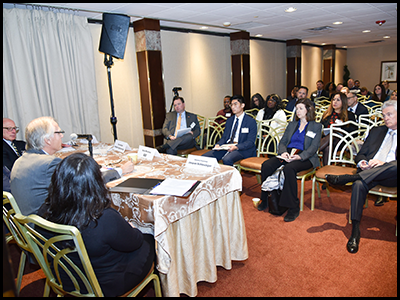
You can view the complete Rethinking Commercial and Industrial Development session here.
Working with Local Communities
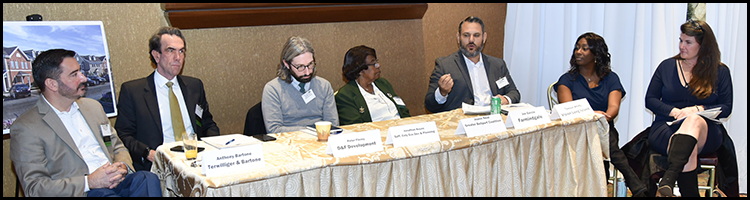
The Working with Local Communities session focused on the necessity of a cooperative relationship between developers, government and community members in order realize a successful project. Panel moderator was Tawaun Whitty of Vision Long Island. Panelist included Joe Garcia from the Farmingdale Chamber of Commerce, Peter Florey of D&F Development, Anthony Bartone of Terwilliger & Bartone, Jonathan Keyes from Suffolk County Economic Development & Planning, Joann Neal from the Greater Bellport Coalition, and Elizabeth Alexander from the Suffolk County Executive Office.
Even though the development process is broken, Mr. Bartone declared, the development community can do better. “Before we put pencil to paper, we will have open houses, like we did in Lynbrook. Come tell us what you want to see in your community. We want to encourage dialogue.” Mr. Garcia added, a better way go through this process is to go to the community early.
Mr. Florey was more optimistic of the approval process, particularly on Long Island. “If you compare the process to what it is now to ten or fifteen years ago, we have made tremendous progress in terms of acceptance and realization on the part of the general public that there is a huge need for multi-family housing,” Mr. Florey stated. “There is even a growing acceptance of affordability.” Ms. Neal agreed, noting when a developer came in and showed them what the project would look like by visiting similar developments, that was the beginning of a good partnership.
Mr. Keyes explained that a top-down approach does not work, but an entirely bottom-up approach might face challenges because it could be impractical or unrealistic. “You need a mediator, someone in between to work with the community and developer to explain what is achievable. The county and planners can play that role.” Ms. Alexander noted she appreciates that idea. “What makes successful developments happen is when the influences are spread between developers, community and municipalities.”
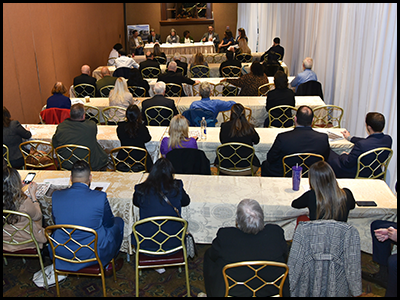
You can view the complete Working with Local Communities session here.
Creating Opportunities for Young People
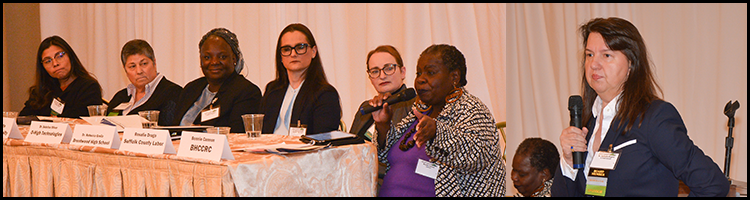
Moderating the Creating Opportunities for Young People was Dr. Nathalia Rogers, LI Youth Summit. Dr. Rogers started by acknowledging it is difficult to be a young person on Long Island because the cost of living is so much higher, salaries did not grow as fast, the cost of education is high, and then they graduate into a very high cost of housing.
Panelists included Bonnie Cannon, Bridgehampton Child Care; Rosalie Drago, Suffolk County Labor; Dr. Rebecca Grella, Brentwood High School; Dr. Subrina Oliver, O-High Technologies; Dr. Gail Lamberta, St. Joseph’s University; and Ines Ruiz vanBoom, Northwell Health.
Each panelist discussed current opportunities for young people within their organizations and then the panel transitioned to what else can be done to expand opportunities: Ms. Ruiz vanBoom discussed programs for high schoolers and paid internships; Dr. Lamberta discussed service learning and high school bridge programs; Dr. Oliver discussed the one main purpose of her company, to create and reinforce a diverse talent pipeline; Dr. Grella discussed STEM and partnership programs with mentoring opportunities; Commissioner Drago discussed some of what Suffolk County does for youth employment, including career events and summer youth employment programs; and Ms. Cannon discussed her organization’s interface with the community, with those who are marginalized every day.
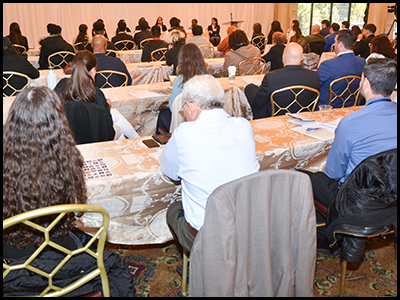
You can view the complete Creating Opportunities for Young People session here.
Affordable Housing Projects & Policies
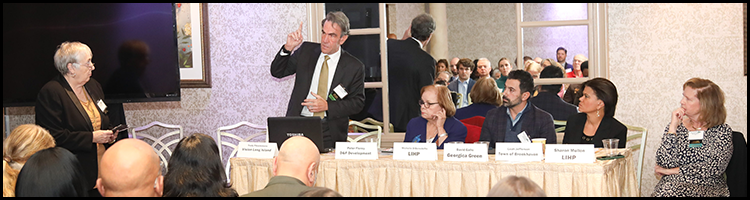
Trudy Fitzsimmons of Vision Long Island moderated the Affordable Housing Projects & Policies session. Panelists included Peter Florey of D&F Development, Michelle DiBenedetto from LI Housing Partnership, David Gallo of Georgic a Green, Leah Jefferson from Town of Brookhaven CDA, and Sharon Mullon from LI Housing Partnership.
Mr. Florey presented an update on what is going on with affordable housing in terms of legislation on Long Island, such as in Suffolk County where there is pending legislation that would require projects seeking funding from the county to include a component of housing for veterans and for individuals with development disabilities. There is also legislation that would require a component of housing to be in perpetuity. Both Mr. Florey and Mr. Gallo outlined the affordable housing projects their companies are working on at this time.
Ms. DiBenedetto discussed LI Housing Partnership’s outreach and community development in the area of affordable housing, stating, “We all need to work together to make affordable housing work on Long Island.” Ms. Mullon discussed fair housing trends, initiatives and discrimination across the country and in New York State. Preferring the term middle income instead of affordable, Ms. Jefferson discussed the importance of having elected officials willing to work with developers on these projects.
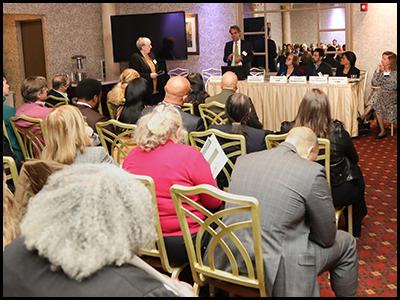
You can view the complete Affordable Housing Projects & Policies session here.
Wastewater & Infrastructure Projects
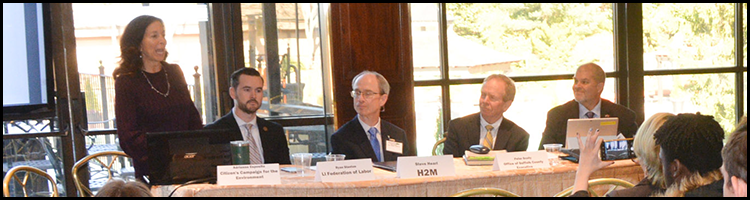
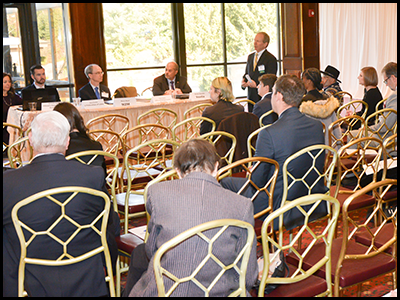
“We live on an island, three million people live here, but yet only 30% of Suffolk actually treats its wastewater and not a 100% in Nassau either,” panel moderator Adrienne Esposito from Citizen’s Campaign for the Environment stated. “One of the issues that’s really confronting Long Island, and its ability to be sustainable, is the issue of water quality and wastewater management.”
Panelists included Peter Scully from the Office of the Suffolk County Executive, Steve Hearl of H2M Architects + Engineers, Kevin Chandler of Veolia, and Ryan Stanton from the LI Federation of Labor.
Mr. Scully itemized the many efforts Suffolk County is engaged in to fix the problem of wastewater treatment in Suffolk County. “Unlike Nassau County, which is about 75% sewered, Suffolk County is 75% unsewered. The implications of this, on our environment and economy, are just staggering,” Mr. Scully stated.
Mr. Chandler discussed wastewater treatment on the south shore of Long Island, particularly the issue of funding and management. Mr. Hearl examined a variety of wastewater and infrastructure case studies, including those in Huntington, Northport, Montauk, and Patchogue. Mr. Stanton spoke about the opportunities that arise from wastewater and infrastructure projects, especially in the areas of economic development and environmental protection. “Investments in this area creates good jobs,” Mr. Stanton explained. “Our movement on Long Island is that you should never have to choose between the environment and putting food on your table. That’s a false choice.”
You can view the complete Wastewater & Infrastructure Projects session here.
Employment Opportunities & Industry Growth
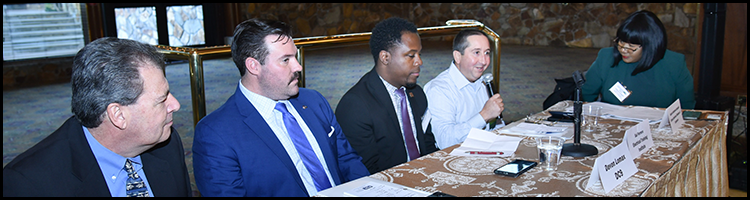
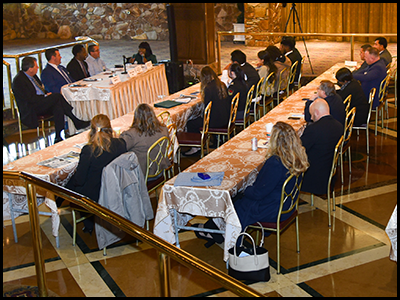
Valerie Anderson-Campbell from the African American Chamber of Commerce moderated the Employment Opportunities & Industry Growth session. Panelists included Sal Ferrera of Electrical Training Institute, Davon Lomax from DC9 New York, Patrick Boyle of Ignite Long Island, and Professor Mark Grossman from Nassau and Suffolk Community Colleges.
This session provided updates on employment opportunities in construction, manufacturing, and job training programs. Mr. Ferrera discussed his vocational/educational school in Copiague, which focuses on electrical, heating and air-conditioning. “The trades have always been there,” Mr. Ferrera stated. Not all students can or will go to college and trade schools are an alternative, he added.
Mr. Boyle discussed the wide swath of industry employment opportunities on Long Island, especially in light of recent industry growth in areas such as off shore wind and cannabis. Professor Grossman mentioned increasing job opportunities in not-for-profits, but his discussion primarily focused on the opportunities to gain skills through local community colleges, particularly by participating in certificate programs in high growth fields. Mr. Lomax examined the job opportunities within construction unions, noting the Department of Labor website is a great source for job information.
You can view the complete Employment Opportunities & Industry Growth session here.
Promoting Our Downtowns
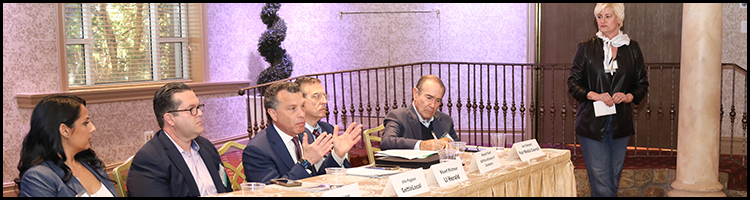
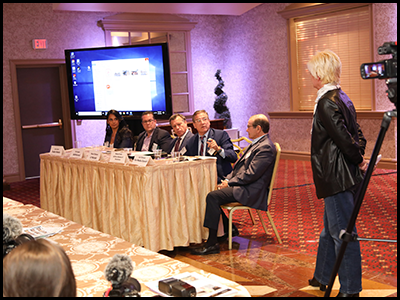
Jaci Clement from Fair Media Council moderated the Promoting Our Downtowns session. Panelists included Lula Lukas from TiedIn Media, Robert Fonti from Suffolk County Alliance of Chambers, Vito Pagano from GettinLocal, Stuart Richner from LI Herald, and Larry Levy from Hofstra University.
The panel discussion was broken up into three sections: How to drive traffic back into downtowns; How to use technology to promote and raise awareness of downtowns; What resources already exist to help downtowns.
Mr. Richner focused on the changes in downtowns over the years and the actions that downtowns are taking that are working. “Downtowns need to be creative to help promote local businesses,” he stated. Mr. Pagano and Ms. Lukas stressed the importance of personal connections in shopping local. Mr. Fonti discussed what he calls the three Cs – communicate, collaborate and connect. Finally, Mr. Levy underscored the importance of finding out who is in the political position to help your downtown.
You can view the complete Promoting Our Downtowns session here.
Opportunity, Disparities & MWBEs
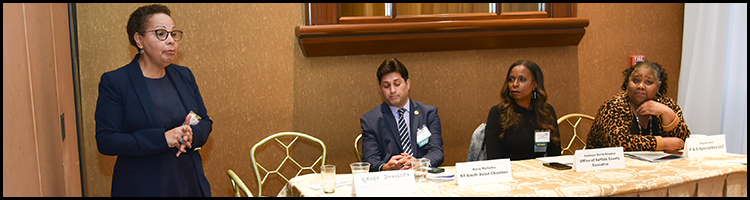
Sitting on the Opportunity, Disparities & MWBEs panel was Vanessa Baird-Streeter from the Office of the Suffolk County Executive (moderator), Grace Ioannidis from Suffolk County Government, Regina Hunt from P & G Specialties, and Harry Malhotra from the NY South Asian Chamber,
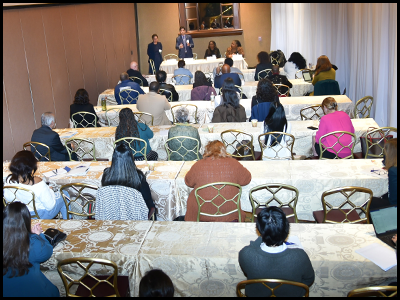
Ms. Baird-Streeter started off the session stating, “Communities of color have not been a part of the government contracting process.” She added, “It is a difficult process, but we are here to open the doors to help you make that process not as difficult.” Ms. Baird-Streeter discussed the MWBEs (Minority and Women Owned Business Enterprises) and SDVOBs (Service-Disabled Veteran-Owned Businesses) Disparity Study underway in Nassau and Suffolk Counties. The goal is to determine if there is a disparity as it pertains to utilization and the availability in the region. If there is, MWBE goals/requirement can be established as part of the contracting process.
Mr. Malhotra advised that government is not a solution, but discussed it as a resource that needs to be used. Ms. Ioannidis detailed the certification process. Ms. Hunt discussed the obstacles in starting her business and steps she is taking to overcome those obstacles.
You can view the complete Opportunity, Disparities & MWBEs session here.
Supporting Redevelopment through IDAs
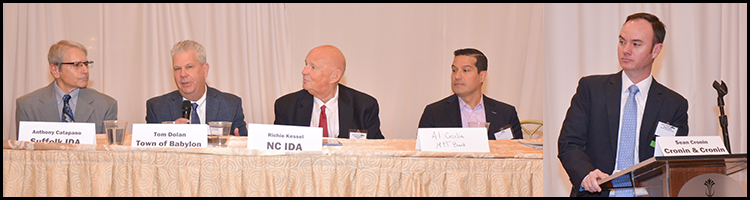
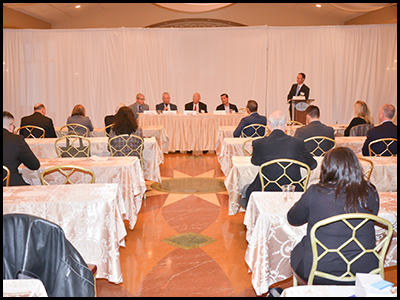
Panelists on the Supporting Redevelopment through IDAs included Anthony Catapano from Suffolk County IDA, Tom Dolan from Town of Babylon IDA, Richard Kessel from Nassau County IDA, Al Cicilia from M&T Bank, and Sean Cronin from Cronin & Cronin, moderator. Discussion included the important role that IDAs play in development and the common misconceptions about them.
“The IDA is really there to do three things,” Mr. Kessel explained. “One is to keep business alive that already exist; two is to help businesses expand their operation; and three is to bring new business to the county. The IDA gives financial incentives, whether it is PILOT payments, exemptions in sales tax, or exemptions in the mortgage recording tax.”
“There is competition around the country and there is opportunity for these businesses to leave New York,” Mr. Dolan added. “We can’t have that.”
Mr. Catapano noted, “It’s very important to revitalize downtowns. We have been involved in such projects like downtown Patchogue, which is now so vibrant.”
The panel also discussed the role of IDAs in helping to create affordable housing.
Mr. Cicilia explained, “By the time a project gets to us, if it’s a viable deal, it probably has already received the benefit. The critical thing for a lender is, without the benefit, the cash flow will just not support the debt necessary to develop the project. The tax benefit is a critical component.”
You can view the complete Supporting Redevelopment through IDAs session here.
Transit Update
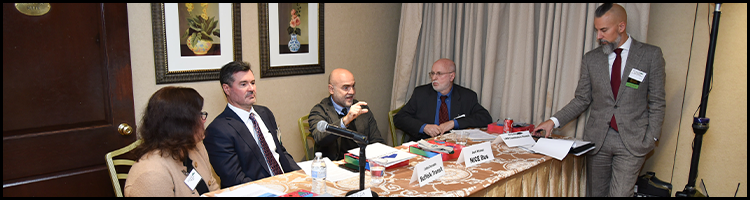
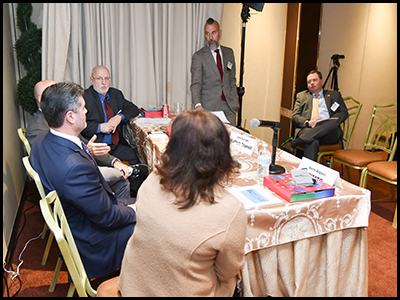
James Bonner of NY Atlantic Railways moderated the Transit Update session. Panelists included Mary Byrne from NYMTC, Gerry Bringhamm from LIRR Commuters Council, John Corrado from Suffolk Transit, and Jack Khzouz from NICE Bus.
Ms. Byrne discussed the responsibility of the New York Metropolitan Transportation Council (NYMTC), focusing on funding for regional transit projects. Mr. Khzouz discussed the Nassau County Transit Bus system, focusing on recovery since COVID. “We are at about 85% recovery right now,” Mr. Khzouz advised. He also discussed the importance of collaboration with such entities as local colleges, legislators, governmental social services, local non-profits such as Island Harvest, and other types of transportation. “We are supporting the same person,” he explained. “Transit, especially road transit, needs to stay relevant. If it doesn’t, we begin to start eroding communities.”
Mr. Corrado advised that Suffolk Transit is at about a little over 70% ridership post COVID and updated its recovery since the Suffolk County malware attack. He also discussed the County's Reimagine Transit Initiative, whose goal it is to restructure services to offer a more effective transit system.
Discussing post pandemic ridership, Mr. Bringhamm noted the LIRR is at about 60%, estimating it will only get to 80% by 2026. “The problem we have is that there has been a big shift. More people are working from home,” he stated. “The good news is that discretionary riding is over 80% and climbing, which shows that people are comfortable with the railroad. It’s only commuters that don’t have to come in are taking advantage of that, causing revenue loss.” Where funding will come from needs to be seen, he added.
You can view the complete Transit Update session here.
Lunch Program: Working Together for Local Communities

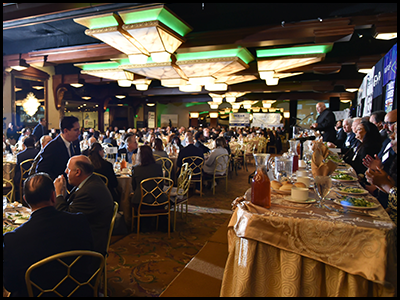
The Summit’s Lunch Program began with a beautiful performance of the Star-Spangled Banner, sung by the very talented Brielle Frage.
“We are doing a lot today, over 900 people here, 140 speakers. We are learning a lot. The theme is unity, working together. This group proves it,” opened Eric Alexander, Director of Vision Long Island and the Long Island Main Street Alliance. “We are proving it even further today.”
Conversation focused on how local leaders are collaborating and partnering to help Long Island communities on a variety of local issues, including main street issues, housing issues, social issues, environmental issues, energy issues, employment issues and funding issues.
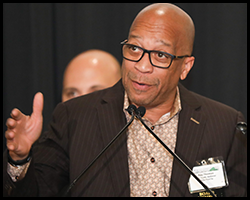
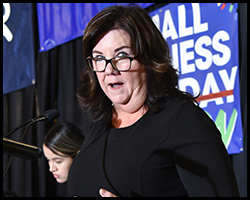

Ray Thomas, PinkTie – “PinkTie implements and fund-raises for locally sustainable causes that strengthen education systems, supply chain, local economies, and healthy environments that people need to thrive.”
Kathleen Wisnewski, National Grid – “National Grid has been dedicated to meeting the threat of climate change. We are committed to helping New York meet the aggressive climate targets established in the Climate Leadership and Community Protection Act. There is no one silver bullet. We must educate our residents and businesses and have honest conversations about practical solutions that are affordable, reliable and allow customers to retain choice.”
Hon. Richard Nicolello, Nassau County Presiding Officer – “The challenge on Long Island is to achieve a balance between suburbia and embracing change, for new housing for our young people and seniors, for new life styles, for development, and for maintaining our main streets. Unless our suburbs change, they will eventually die out, so it is important we embrace the challenges. It is our duty as county officials to not only support this, but to work on a reasonable basis to achieve it. We need to work together.”
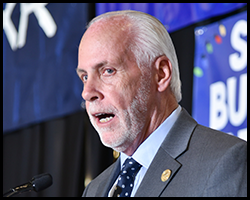
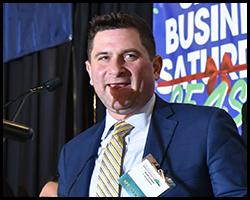
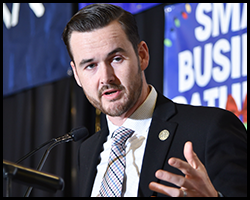
Hon. Kevin McCaffrey, Suffolk County Presiding Officer – “All successful downtowns start with transit-oriented development and smart growth. To succeed, we must work collaboratively with groups such as Vision LI and other elected officials in different parts of government. It isn’t Nassau or Suffolk, it’s Long Island. We share the same concerns and we expect to get the same benefits as we work together to make sure we can get things done.”
Matthew Cohen, LIA – “The LIA is here today because we have the back of small businesses. With 100 thousand small businesses on Long Island, we really all need to be working together because that is the backbone of our economy. Now is the time to be bold, to have fresh thinking and to work together.”
Ryan Stanton, LI Federation of Labor – “Up here right now we have the environmental movement, the LIA, Vision, and the union movement. Not only are we in this room together, but we sit in elected officials’ offices together because we are all dedicated and committed to improving Long Island.”
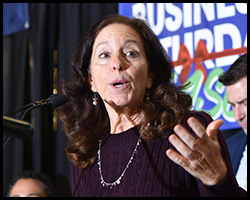
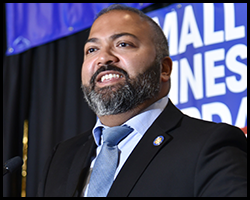
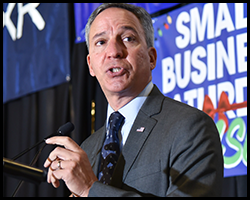
Adrienne Esposito, Citizen’s Campaign for the Environment – “We can not get lost to New York City when it comes to Albany disbursing funds. That is where we rely on our Senate and Assembly members. When I chatted really quickly to Senate-elect Rhoads this morning I said, Senator, we are going to be calling you the Long Island Seven because we now have seven LI senators, he said no Adrienne, it’s the Long Island Nine because we are going to work together. That is what we need.”
Hon. Kevin Thomas, New York State Senator – “I am happy to be here today to here from local business owners on how to support Long Island’s small businesses at all levels of government. We are investing here on Long Island because we know the potential that is out here. To my colleagues I say, let’s work together for the benefit of Long Island.”
Hon. Jack Martins, New York State Senator-Elect – “I am happy to hear that we have 350 million dollars to spend for Long Island. We will work together to decide how that is going to be spent. It will be spent for wastewater, infrastructure, sewers, to promote transit-oriented development, on the environment, promoting off shore wind, labor and it is going to be spent on everything we discussed here today. 350 million for Long Island is just the beginning.”
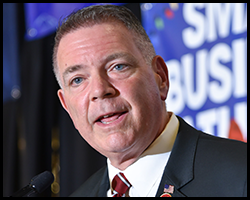
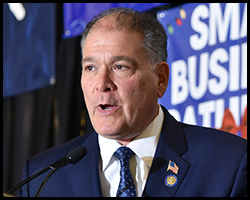
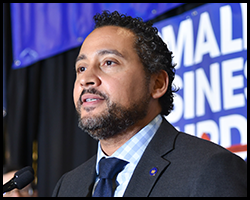
Hon. Steve Rhoads, New York State Senator-Elect – “I have hope for the future of Long Island. It is about working together in the best interest of Long Island. If you look at challenges we have to face, like the Grumman plume, the pollution in the western bays, and housing; the solutions to these problems are not solutions that are going to come from Albany or Washington. The people in Albany and Washington have to listen to the people in this room.”
Hon. Mario Mattera, New York State Senator – “Construction is the backbone of the economy. We need to make sure there is solidarity, unity, with people in this room. There is strength in numbers.”
Robert Rodriguez, New York Secretary of State – “One of the things that is clear is the vision we have here for Long Island includes the four E’s: Economy, Equity; Environment; and Energy. With support, planning, energy, thoughtfulness, investment, and partnerships with private development, housing developers and small businesses, we can create downtowns that are vibrant, that have housing and economic development, infrastructure, environment, arts, and culture, which is what everyone wants to experience in their communities.”
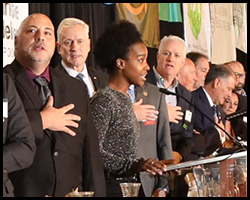
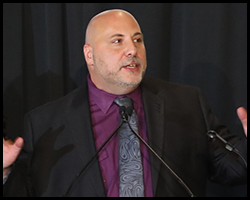
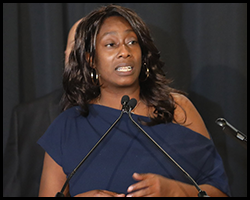
“I’m excited to hear from local business and community leaders at the LI Smart Growth Summit about assisting small businesses and promoting the expansion of our downtowns with support from all levels of government. Thank you to Vision Long Island for hosting this important event. Together, we will ensure Long Islander’s rightfully benefit from new investments in affordable housing, transportation and clean energy plans to improve our quality of life and keep our small businesses strong and viable” - New York State Senator Kevin Thomas
“Every year the Smart Growth Summit is a success in proving how obstacles and divisions can be overcome to provide resources to local communities that need it most. At National Grid we tackle obstacles head-on, we are taking a historic step for New York by eliminating fossil fuels from both our gas and electric systems by 2050. Our fossil free vision keeps prices fair for all our customers, ensures resilient and reliable service, and supports job creation and economic growth.” - Kathy Wisnewski, Director of the Customer and Community, National Grid
You can view the complete Lunch Program - Working Together for Local Communities session here.
Clean Energy Update

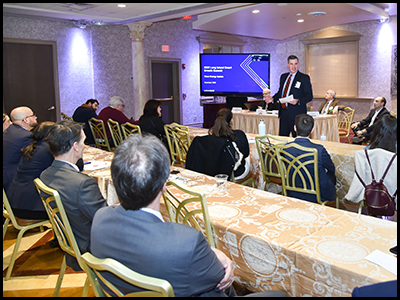
Neal Lewis from The Sustainability Institute moderated the Clean Energy Update workshop. Panelists included David Schieren from Empower Solar, Mike Voltz from PSEG Long Island, Philip Decicco from National Grid and John Little from LIPA. This session focused on how smart growth intersects with energy.
Mr. Little outlined LIPA’s clean energy policy and how the company pursues it. Three major goals include having 70% of Long Island's electricity generated by renewable sources including wind and solar energy by 2030, zero carbon by 2040, and encouraging electrification in the building heat sector and the transportation sector. Mr. Voltz charted how PSEG is reaching its clean energy goals in the areas of solar, heat pumps, energy efficiency, electric vehicles, and energy storage.
Mr. Decicco discussed National Grid’s investment in infrastructure, energy transition, and its future vision to service Long Island. Mr. Schieren outlined Empower Solar’s work in the areas of residential and commercial solar, electric, and battery.
You can view the complete Clean Energy Update session here.
Main Street Update
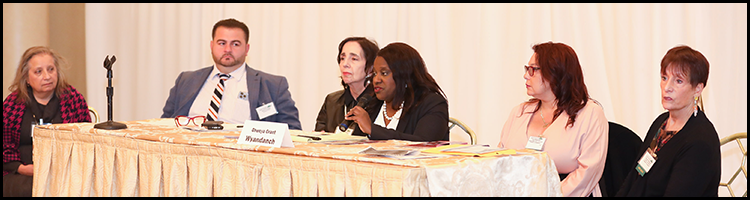
Barbara Ransome from the Greater Port Jefferson Chamber of Commerce moderated the Main Street Update session. Panelists included Lisa Pickersgill from the Riverhead Chamber of Commerce, Ghenya Grant from the Greater Wyandanch Chamber of Commerce, Patricia Bourne from the City of Long Beach, Jason Kontakis from the Lindenhurst Business Improvement District, and Karen Montalbano from the Baldwin Civic Association.
Ms. Montalbano, discussing Baldwin, stated, “We seem to be on that verge of getting something done,” citing the recent DRI funding, overlay zone, development projects, complete streets projects, and environmental projects. Mr. Kontakis focused his comments on Lindenhurst’s Main Street and the strides that have been made in the past three years, including events, Tritec’s TOD project, and addition of approximately thirty new businesses.
Offering several examples of how people coming together, using creative ideas, creates unique opportunities, Ms. Bourne detailed the many happenings in Long Beach. These include holiday markets, holiday decorating contests, electric light parade, regional housing projects, mixed-use projects on Main Street, infrastructure projects, and completion of a comprehensive plan.
Ms. Grant focused not only on Main Street efforts, but advocacy efforts. “All communities are different,” she noted. In Wyandanch, there is concern that the development efforts being undertaken, such as Wyandanch Rising, reaches throughout the entire community.
Ms. Pickersgill discussed all that is happening on Riverhead’s Main Street, including a Rudolph Run on the riverfront, events in the Town Square, music events, art events, mixed-use projects, and more. Ms. Ransome spoke about the unique nature of the Village of Port Jefferson, including the harbor and its designation as a village. There have been four major apartment complexes built in the downtown area, with two more in the planning stage. “This is a shot in the arm and will help our small businesses tremendously,” Ms. Ransome explained.
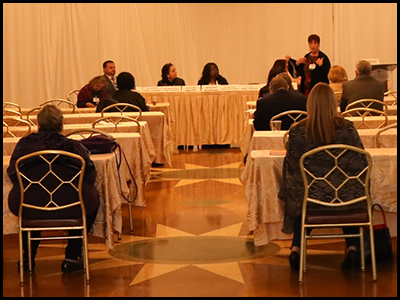
You can view the complete Main Street Update session here.
Safe Streets and Active Living
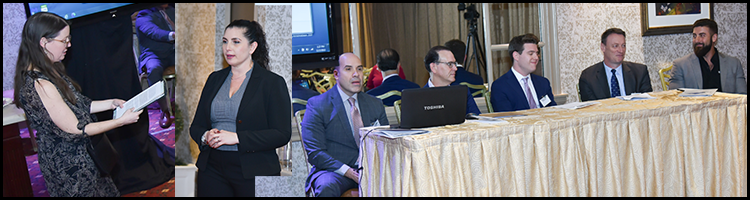
Moderating the Safe Streets and Active Living workshop was Elissa Kyle from Vision Long Island. Panelists included Bernard Macias from AARP, Dan Flanzig from NY Bicycling Coalition, Matthew Kalish from VHB, Frank Wefering from Greenman Pedersen, and Anthony Postiglione from AT&T FirstNet.
“AARP’s mission is that all people can safely live in their communities,” Mr. Macias explained. “We have been working with Vision Long Island in the area of walkability in our communities. We work on local housing and transportation also.”
Mr. Postiglione discussed the ways AT&T has been giving back to the community, such as its recent revitalization of Safety Park in Eisenhower Park. “It is AT&T’s duty to build on its long-standing safety portfolio,” Mr. Postiglione explained.
Mr. Flanzig discussed and explained the concept of micro-mobility. “There are lots of different devises that are included inside micro-mobility, some are legal, some are not legal,” he explained. These include e bikes, mopeds, e scooters, and some without any clear designation. “These will be part of our transportation network for a very long time,” Mr. Flanzig advised. He reviewed many of the laws associated with these devices.
VHB’s Mr. Kalish discussed the Toolkit the consulting firm is creating for the MTA. Its goal is to show local governments, advocacy groups, and stakeholders how pedestrians, cyclists, and other micro-mobility users can better access MTA facilities and services.
Mr. Wefering’s presentation focused on what he called Lifesaving Designs, including evaluations and data results. Quoting W. Edwards Deming, Mr. Wefering stated, “Without data, you are just another person with an opinion.”
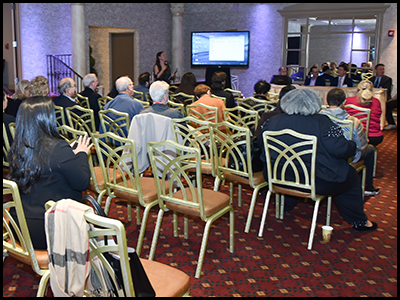
You can view the complete Safe Streets and Active Living session here.
Long Island’s Major Development Projects
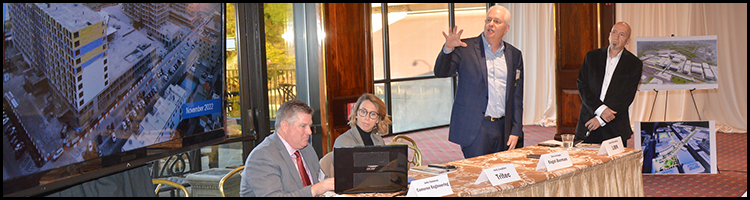
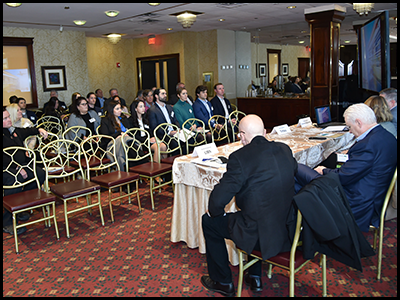
Long Island’s Major Development Projects workshop included panelists Richard Zapolski from Cameron Engineering, Kelly Coughlan from Tritec, Steve Krieger from B2K, and David Winzelberg from LI Business News, moderator.
Mr. Zapolski discussed the 170 acre, $2.8 billion, Midway Crossing Ronkonkoma project, located between the Long Island Rail Road’s Ronkonkoma train station and MacArthur Airport. “This project included a community visioning in which the community came together and worked with the Regional Plan Associates and came up with some ideas they thought would work in that space,” Mr. Zapolski explained. “What we put together was a mixed-use development, which has four basic districts on it.”
Discussing the Long Beach Super Bock, Mr. Krieger noted this mixed-use project, with 522 rental apartments planned in two 15 story oceanfront buildings, had been in the works for years. What makes something successful is not being afraid of rejection, Mr. Krieger advised.
Ms. Coughlan focused on Tritec’s Ronkonkoma Hub project, located on the north side of the Ronkonkoma train station. The multi-million-dollar project will revitalize 53 acres into a mixed-use TOD, with 1,450 homes, 360,000 square feet of commercial space, 195,000 square feet of retail and 60,000 square feet of hospitality space.
One common thread running through this session, community input and community buy-in is essential for major developments such as these to succeed.
You can view the complete Long Island’s Major Development Projects session here.
Special thanks to the over 85 elected and appointed officials who joined us this year!
NYS Officials included:
NYS Secretary of State, Robert Rodriguez
NYS Senators Kevin Thomas and Mario Mattera. NYS Senate-elect Jack Martins and Steve Rhoads
NYS Assemblymembers Taylor Darling, Gina Silletti, Steve Stern, Keith Brown, Jodi Giglio, Doug Smith, Michael Durso, and NYS Assemblyman–elect Jake Blumencranz
County Officials included:
Nassau County Presiding Officer Rich Nicolello, Nassau County Legislators
Rose Walker, Laura Schaefer, Tom McKevitt, Debra Mule, Delia Deriggi Whitten, Arnie Drucker, John Giuffre and Carrie Solages,
Suffolk County Presiding Officer Kevin McCaffrey, Suffolk County Legislators
Jason Richberg, Steve Flotteron, Sam Gonzalez, Stephanie Bontempi, Tom Donnelly, and Manuel Esteban Jr.
Town Officials included :
Town of Brookhaven Supervisor Ed Romaine and Councilman Michael Loguercio, Jonathan Kornreich
Town of Hempstead Supervisor Don Clavin, Deputy Supervisor, Dorothy Goosby, and Councilman Chris Carini and Tom Muscarella.
Town of Islip, Supervisor Angie Carpenter and Councilman Jorge Guadron and James O’Connor.
Town of North Hempstead Supervisor Jenn Desena, and Councilmembers Rob Troino,
Mariann Dalimonte, Dennis Walsh and Peter Zuckerman.
Town of Oyster Bay Supervisor Joseph Saladino, Supervisor and Councilmembers Vicki Walsh, Lou Imbroto and Steve Labriola
Town of Riverhead Supervisor Yvette Aguiar, and Councilman Bob Kern, Town of Riverhead
Town of Smithtown Supervisor Ed Werheim and Councilman Tom Lohmann.
Town of Babylon Councilman, Anthony Manetta
City of Glen Cove Mayor Pam Pazenback
City of Long Beach Councilwoman Elizabeth Treston
Village Officials included:
Dennis Siry, Mayor, Village of Amityville, Mary Adams, Mayor, Village of Babylon
Nora Haagensen, Mayor, Village of Baxter Estates, Ralph Ekstrand, Mayor, Village of Farmingdale, Cheryl Parisi, Trustee, Village of Farmingdale
Lynn Pombonyo, Deputy Mayor, Village of Floral Park, Jorge Martinez, Trustee, Village of Freeport, Preet Baal, Mayor, Village of Great Neck, William Warner, Village of Great Neck Estates, Waylyn Hobbes, Mayor, Village of Hempstead, Jeff Daniels, Deputy Mayor, Village of Hempstead, Clariona Griffith, Trustee, Village of Hempstead
Kevin Boone, Trustee, Village of Hempstead, Stephen Williams, Mayor, Village of Huntington Bay, Mike Mginty, Mayor, Village of Island Park, Mike Lavorata, Mayor, Village of Lindenhurst, RJ Renna, Trustee, Village of Lindenhurst, Paul Perriera, Mayor, Village of Mineola, Barbara Donno, Mayor, Village of Plandome, Sarah Oral, Trustee, Village of Roslyn, Barbara DeGrace & Tom McAleer, Village of Valley Stream, Peter Cavallaro, Mayor, Village of Westbury, William Wise, Trustee, Village of Westbury
Additional officials included:
Phil Boyle, former NYS Senator, Steve Levy, former Suffolk County Executive, Connie Kepert, former Town of Brookhaven Councilwoman, Wayne Wink, former Nassau Legislator, Jean Celender, Former Mayor, Village of Great Neck Plaza
Richard Kessel, Nassau County IDA, Tony Catapano, Suffolk County IDA, Vanessa Baird Streeter, Suffolk County Deputy County Executive, Peter Scully, Suffolk County Deputy County Executive, Mike Iannelli, Office of US Senator Chuck Schumer, Mike Shied, Office of US Senator Kirsten Gillibrand, Stevens Martinez, Office of NYS Governor Kathy Hochul, Mike Caplice & Joe Galante, Office of NYS Comptroller Thomas Dinapoli
Check out media coverage of the 2022 Long Island Smart Growth Summit at these excellent news outlets
Newsday
Long Island Business News
Long Island Business News Editorial
Innovate LI
LI Life and Politics


We are now accepting nominations for
the 2023 Long Island Smart Growth Awards!
You can download a PDF version of this flyer here.

Save the Date for the upcoming
Long Island Complete Streets Summit
You can download a PDF version of this flyer here.
Please join us for the upcoming
Long Island Youth Summit!
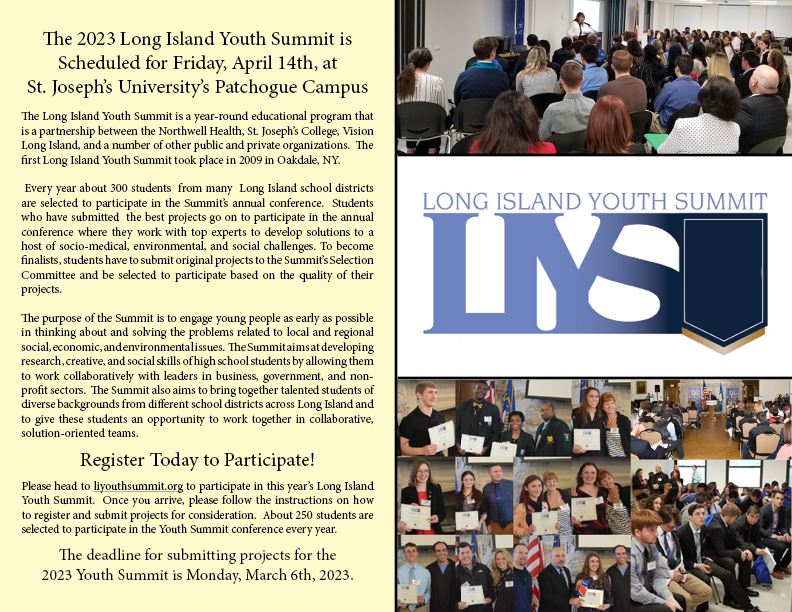
You can download a PDF version of this flyer here.
Keep up to date with our local downtowns
through the Main Street News program!
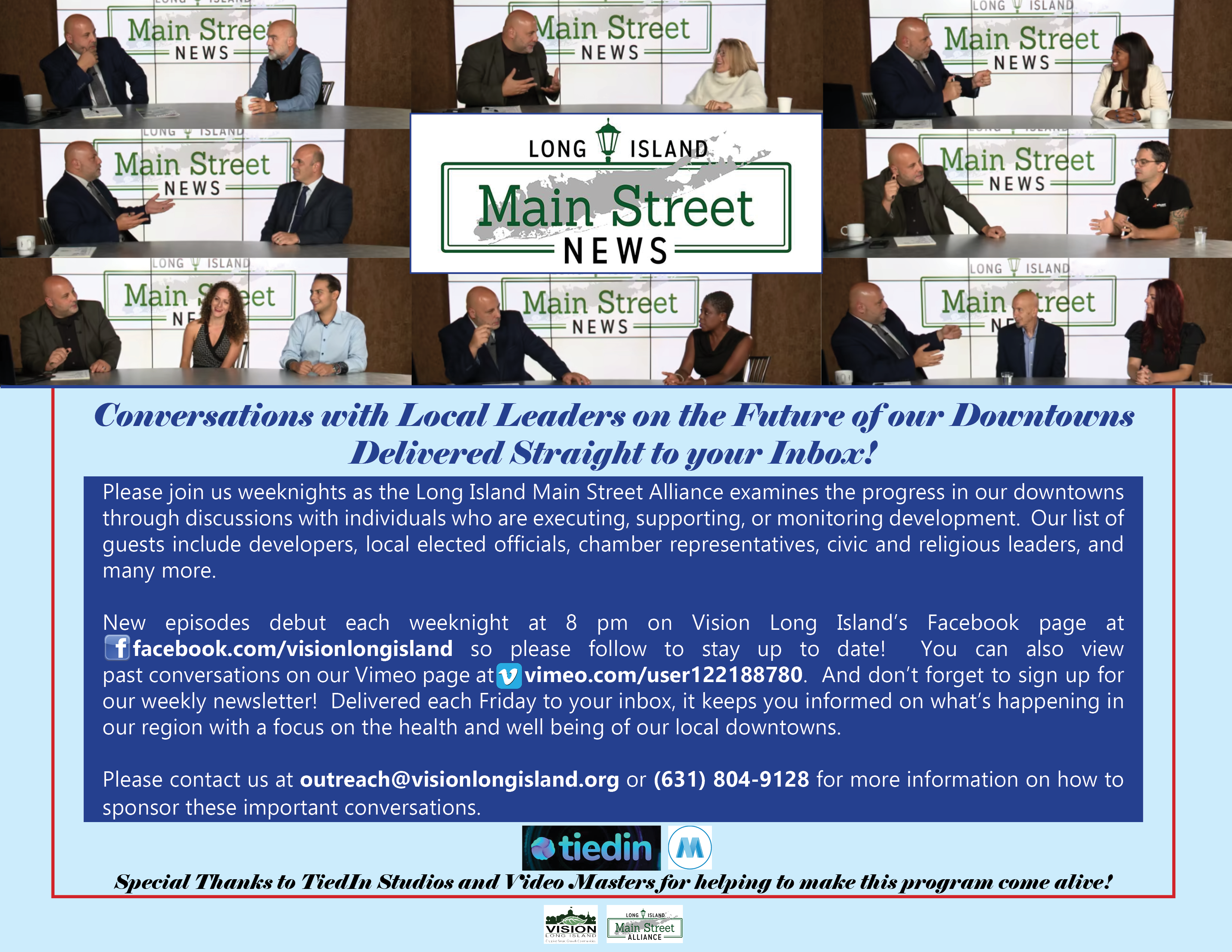
You can download a PDF version of this flyer here.
Join us for events centered on
improving our local downtowns!
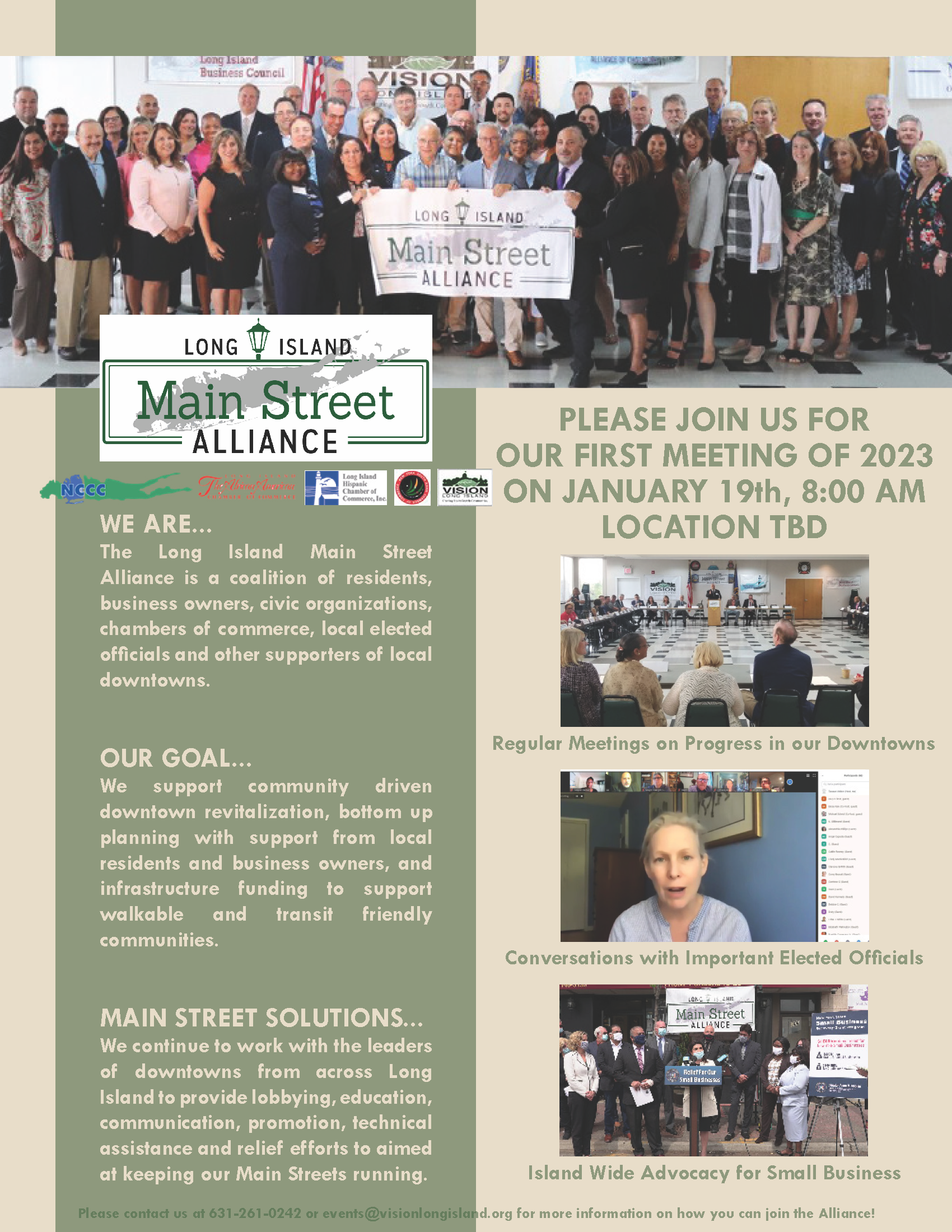
You can download a PDF version of this flyer here.
Help deliver food security to those
most in need on Long Island!
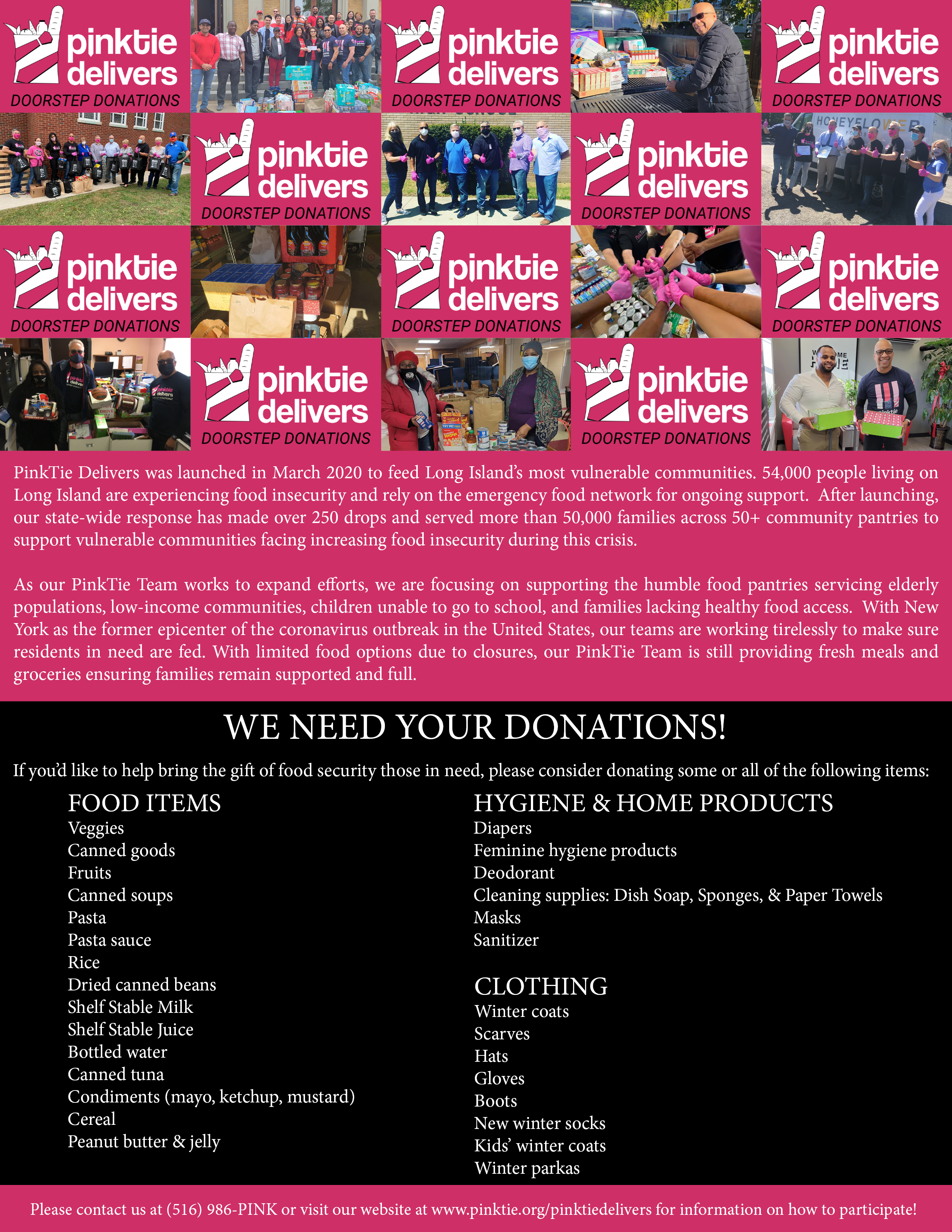
You can download a PDF version of this flyer here.
Special thanks to our Board members!

Vision Long Island
24 Woodbine Ave., Suite Two
Northport, NY 11768
Phone: 631-261-0242. Fax: 631-754-4452.
Email: info@visionlongisland.org
Website: www.visionlongisland.org
 Facebook | Facebook |  YouTube YouTube |
 |


Home | Contact Us | Newsletter Archive | Donate | About Us
