

Over 1,100 LONG ISLAND COMMUNITY, BUSINESS & GOVERNMENT LEADERS WORKED COLLABORATIVELY TO
Help Main Street Businesses, Advance
Downtown Redevelopment & Infrastructure through COVID
Over 1,100 local business, community and government leaders joined this year’s LI Smart Growth Summit held Wednesday through Friday December 2 through 4th. 20 workshops featured over 125 speakers are scheduled focused on varying topics related to helping small businesses through the Coronavirus regulations, downtown revitalization and infrastructure investment.
Transportation, infrastructure and Complete Streets professionals presented along with immediate needs like affordable housing, health and food insecurity. Our local small business community had panels on financing survival, the future of events and challenges facing restaurants. We had sessions on an economic and jobs outlook along with a residential housing forecast and project financing.
There were special interviews available each day from our “LI Main Street News” desk along with a few other surprises and cameos. The registrants participated for the 3 day event either by zoom or live stream. In addition the sessions are now viewable on Vision Long Island’s Facebook and Vimeo pages in the links below.
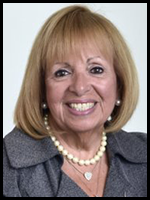
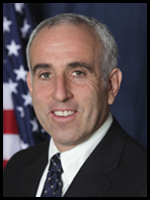
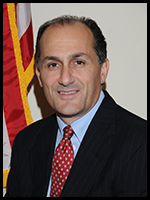
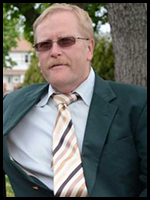
The management of our Main Streets through the Coronavirus on Long Island ultimately comes down to municipal officials, 12 of whom gave local updates on the State of the Town’s and Village’s Panel. The 2020 panelists included: Town of Smithtown Supervisor Ed Wehrheim, Town of Babylon Supervisor Rich Schaffer, Town of Islip Supervisor Angie Carpenter, Town of Southampton Supervisor Jay Schneiderman, Town of Oyster Bay Supervisor Joseph Saladino, Town of North Hempstead Supervisor Judi Bosworth, Town of Huntington Supervisor Chad Lupinacci, Village of Westbury Mayor Peter Cavallaro, Village of Lindenhurst Mayor Michael Lavorata, Village of Lynbrook Mayor Alan Beach, Village of Farmingdale Mayor Ralph Ekstrand, Village of Amityville Mayor Dennis Siry.
This year’s Summit featured a closing session with NYS Comptroller Tom Dinapoli who presented an update on NYS Finances and the upcoming budget session. US Congresswoman Kathleen Rice will provided an Washington update on the then potential Federal aid package. The NYS Lieutenant Governor Kathy Hochul gave an update from Albany on NYS’s handling of the Coronavirus and impacts on local communities.
Speakers also include Nassau County Executive Laura Curran, Suffolk County Executive Steve Bellone who covered their efforts to help Main Street businesses.
NYS Senator Todd Kaminsky and NYS Senator-elect Mario Mattera also previewed the 2021 Albany legislative session.
In a transportation panel Phil Eng from the MTA/LIRR reported on their efforts to save LIRR service and ridership.
The LI Youth Summit incorporated virtually students from St. Joseph’s College, SUNY Old Westbury, Hofstra University, Suffolk Community College, SUNY Farmingdale, LI University and local high schools for the 13th straight year bringing young people into the planning process of their communities. The theme for the students this year was workforce training to navigate potential jobs.
The Long Island Main Street Alliance had members out from 45 different downtown communities that have plans for managing Main Street, future growth and preservation. Despite the pandemic these many communities have downtown plans and approved transit oriented development projects as there are nearly 15,000 units of housing approved in the last fifteen years with projects currently opened or under construction. Over 10,000 units are in the planning stages now driven by local community and small business leadership.
98 of 118 public hearings for downtown and TOD redevelopment projects have been approved over the last 8 years with more community supporters than opponents. Millions have been dedicated this year to traffic calming and pedestrian and bike safety initiatives and record investments in transit and downtown economic development are still underway despite the Coronavirus regulations.
Long Island is a community of communities and not surprisingly local residents have answered the call to support their Main Street businesses, fill food pantries, follow safety guidelines and try to keep their lives going despite massive health, economic and social challenges.
The efforts to shop local in particular have helped keep vacancies low. In a survey from the LI Main Street Alliance of 33 downtown business districts less than four stores on average have gone vacant since the Coronavirus restrictions began but many are still struggling.
“Vision Long Island and LI Main Street Alliance members have worked side by side with local residents, small businesses, local governments and our regional leaders to manage through the Coronavirus shutdowns and regulations to safely maintain services and commerce in our communities. After nine months of crisis management it is important to take stock and tackle the tough winter months together.” Eric Alexander, Director, Director Vision Long Island & Founder LI Main Street Alliance
“The summit has always been a vehicle to bring together the community voices of Long Island to address some of our most difficult challenges. Though we may not be able to meet in one physical space, our goal has not changed. This year’s summit is even more important than year’s past and it is going to take all of our local voices to help manage the present and plan our future” – Tawaun Weber, Assistant Director Vision Long Island
The local input from this large swath of Long Island’s leadership will result in a prioritized agenda and lobbying effort to ensure that local communities receive their fair share of support from Federal and State levels of government in the months that follow.
State of the Towns and Villages:
Managing through Coronavirus
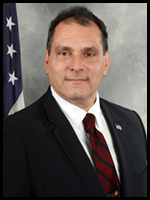
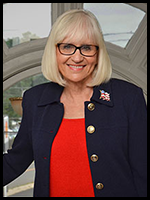
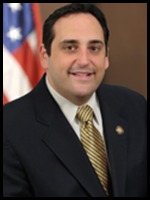
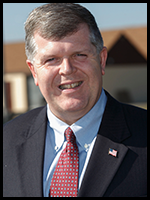

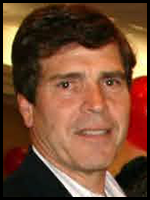
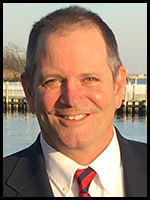

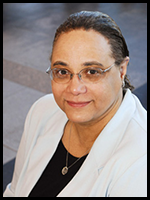
Long Island downtowns have begun experiencing resurgence in recent years, thanks to the cooperative work of communities, businesses and local governments. The widespread damaging impact of Coronavirus shutdowns, however, has led to many challenges which local towns and villages are meeting head on.
Joining the 19th Annual Smart Growth Summit’s opening day event, discussing how towns and villages are managing through the turbulent and novel impacts of the pandemic, were Town of Oyster Bay Supervisor Joseph Saladino, Town of North Hempstead Supervisor Judi Bosworth, Town of Huntington Supervisor Chad Lupinacci, Town of Babylon Supervisor Rich Schaffer, Town of Islip Supervisor Angie Carpenter, Town of Smithtown Supervisor Edward Wehrheim, Town of Southampton Supervisor Jay Schneiderman, Village of Westbury Mayor Peter Cavallaro, Village of Farmingdale Mayor Ralph Ekstrand, Village of Lynbrook Mayor Alan Beach, Village of Amityville Mayor Dennis Siry, and Village of Lindenhurst Mayor Mike Lavorata. Moderating this conversation was Newsday’s Joye Brown.
After updating virtual attendees on the state of Coronavirus in their towns and villages, the leaders discussed how, by working together across party lines, they have been able to move projects forward and offer innovative assistance to their community, thereby keeping main streets stable. Some examples included providing outside dining permits, closing down streets, supplying PPE to local businesses, and bilingual public education.
Supervisor Lupinacci spoke about the bilingual outreach the town has performed to keep residents aware of critical information as well as the Business Recovery Task Force that was formed to help support local businesses affected by the shutdown through streamlined outdoor dining permits, closing downtown roads for increased dining capacity and a holiday plaza with a 65 foot tall Christmas tree to encourage shopping downtown.
Supervisor Angie Carpenter spoke about similar things the town of Islip had done including facilitating outdoor dining and other ways to support businesses within the town and highlighted the need to open a testing center in Brentwood which has unfortunately seen a very high infection rate in the county. They are working on some additional testing sites in conjunction with local hospitals.
Supervisor Schneiderman spoke of the importance of testing "to keep things moving until we have a vaccine." The town has two yellow zones and hopes that increased tested will help get out of that. Southampton is also doing bilingual outreach and has gotten a lot of financial support for testing with Southampton hospital.
Supervisor Saladino spoke about the town’s COVID-19 task force and the electronic platform they have set up for tracking and quarantining cases with town staff and others and emphasized the need for communication. Saladino also discussed regular meetings with chambers of commerce to get them assistance and help get people back to work. Supervisor Saladino noted, “It is very important to share best practices.”
Town of Smithtown Supervisor Ed Wehrheim provided an update on their work to install sewers in Kings Park and Smithtown along with a new Master Plan for those downtowns. In addition construction began on sewers in Saint James and several multifamily projects were approved and constructed.
Mayor Ekstrand noted that they haven’t lost any businesses on their Main Street in Farmingdale and to remember that when the vaccine comes out there will be some time needed for it to take effect. “We have been very aggressive in working with everyone, especially Supervisor Saladino,” Farmingdale Mayor Ralph Ekstrand noted. They also created a plan for outdoor dining on Main Street to ensure that proper distances were met, distributed PPE and repaved one of the municipal parking lots.
Village of Westbury Mayor Peter Cavallaro spoke about the work completed for a new incentive zoning code for their train station area along with seven projects underway in the village that have been proceeding during COVID with minor delays. The MTA is constructing a parking garage, a streetscaping project is scheduled to begin this winter and new mixed use development is being proposed.
Supervisor Bosworth remarked on the need for more testing sites and the necessity for different levels of government to coordinate and cooperate. We need to find different ways to reach people. “Each community has its own way, its own culture, so it can’t be a cookie cutter solution.”
Village of Lindenhurst Mayor Mike Lavorata spotlighted the progress made to improve the walkability of their downtown and help local businesses through the pandemic with outdoor dining. He also mentioned how the community has come together to get through this pandemic.
Village of Lynbrook Mayor Alan Beach mentioned the multiyear effort to bring in new restaurants, renovated movie theatre and transit oriented development housing to improve his downtown area with public support.
He noted that the downtown has remained vibrant even though a few restaurants have had to put plans on hold.
Village of Amityville Mayor Dennis Siry noted that things are looking okay in the village. While they lost a couple businesses, a few new ones have opened up. He highlighted new transit oriented development projects and keeping new restaurants operating during the coronavirus shutdowns with outdoor dining. He also spoke about the walking audit completed with Vision and his Village.
Town of Babylon Supervisor Rich Schaffer stressed all town supervisors work together to help meet their towns’ health and economic needs. “We continue to work together with our Suffolk and Nassau colleagues,” Supervisor Schaffer stated. “We’ve worked with our chambers of commerce, our IDA, to help our businesses.”
The consensus reached at the end of this discussion, local leaders know how to get things done by putting political parties aside and working together.
View the Morning Plenary Session here.
Day 1: Facing Immediate Needs
Transit Oriented Development Projects





With over 120 transit-oriented development projects approved in the last thirteen years, there are now a sundry of projects from which to draw experiences. This knowledgeable panel discussed the dynamic projects they are involved with in a variety of local downtowns and the impact the Coronavirus has had, and may continue to have, in the future.
Panelists included: Anthony Bartone, Terwilliger & Bartone Properties; Greg DeRosa, G2D Group; Salvatore Coco, BHC Architects; Andrew Zucaro, Zucaro Construction; and Howard Stein, Certilman Balin, Moderator.
As introduction, these boots on the ground local developers described their most notable projects which span across Long Island, from TOD projects in Farmingdale to the re-visioning and redeveloping of long term blighted properties. Salvatore Coco of BHC Architects noted, “Transit Oriented Development has really changed Long Island over the last ten years. Long Island is ideal for this type of development, with a fantastic train line that goes through our villages and downtowns and recent changes in zoning in many areas.”
Questions regarding the future of TOD’s were raised, as the landscape changes as a result of the pandemic. Moderator Howard Stein inquired, “With the Long Island Railroad ridership down, at least temporarily, is this an impediment to financing and the future development around train stations.”
Andy Zucaro answered, “Personally I’m concerned. I don’t think it will be a disaster, but I think we have rocky roads ahead.” Anthony Bartone of Terwilliger & Bartone Properties had a slightly different view, “Long Island is so starved for luxury multi family, being TOD or otherwise, and even though commuter ridership is down, I am not concerned about continuing to build projects around train stations.” Greg DeRosa of G2D Group, agreeing with Mr. Bartone, pointed out, “We have been getting several folks from the city and the boroughs coming out here. Once things start to normalize, I don’t see things really changing.”
With the assistance of local IDA’s, all agreed, TOD projects will continue to move forward.
View the Transit Oriented Development Projects Panel here.
Coronavirus Health & Social Impacts
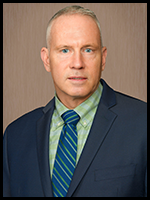
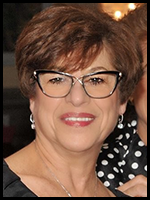
The COVID-19 pandemic has led to loss of human life and presents unprecedented challenges to public health, food systems and the economy. This expert panel explored the health consequences of COVID-19 and examined the social and economic changes that have emerged and how these changes will shape our communities in the coming years.
Panelists included: Jeff Reynolds, Family and Children’s Association; and Michele Gervat, American Heart Association Representative, New York State.
Along with the direct health effects of COVID-19, Long Islanders are struggling with a tributary of serious health impacts. “Health is being affected by people stuck at home,” Jeff Reynolds of Family and Children’s Association stated. “Drinking and drug use is on the rise. Liquor stores and access to alcohol has increased.” Mr. Reynolds drilled down further, “Mental health, anxiety and depression, along with uncertainty, is hitting people hard. This includes zoom fatigue and lack of human connection with other people. Children are being hit hard with uncertainty and anxiety. All this leads to an unhealthy cycle of overeating, losing focus on healthy meals, not exercising, increasing depression, and weight gain.”
American Heart Association’s Michele Gervat advised, “Addiction, heart health, and lack of exercise are all creating issues.” Ms. Gervat added, “People are not moving enough, instead they are becoming increasingly sedentary. Downtowns doing better is great, but the shutdown is really hurting people’s health.”
The panel agreed, people tend to have a lack of understanding of how anxiety and other issues, such as depression, can affect health. The important question of how to break the cycle was considered.
Mr. Reynolds pointed out the need for more professionals, which also requires funding to hire new people. “No elected officials are talking about this, distributing PPE and support, but not providing mental health support,” Mr. Reynolds warned. “We need to tie together the notion of economic development and mental health. This needs to be all hands-on deck.”
“Services need to be brought to the people,” Ms. Gervat stated. “This includes better transportation.”
With the ensuing broad access to vaccines, a sense of hope is developing, but the panelists noted, building trust must be a priority.
“A lot of lessons are out there,” Mr. Reynolds stated. “One is that we are all reliant on health and safety policy. All community needs are intrinsically linked. We do better when we stick together and talk openly about our needs. We need to move forward with one voice that encompasses all needs.”
Ms. Gervat deftly identified the challenge, “There needs to an ongoing conversation. We all need to be on the same page. We need to build the economy and become a healthier society at the same time.”
Keeping Transportation Alive
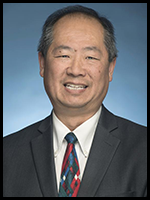



Making transit investments a priority is critical toward growing our local economy and revitalizing Long Island downtowns, which are being shaped by communities. Transit service, freight rail, bus, and new technologies are a critical piece of this equation. This experienced panel discussed what present and future steps are being taken to improve transit and what future opportunities exist, especially with a pandemic in the mix.
Workshop panelists included: Phil Eng, MTA, LIRR; Erika Richards, NICE Bus; Aryeh Lemberger, WSP; Jerry Bringmann, The Long Island Rail Road Commuter Council; and Larry Gould, Nelson Nygaard/CNU NY, Moderator.
“It’s hard to imagine tougher times for transit,” moderator Larry Gould remarked. “With the combination of ridership crash and financial crash at the same time, it is really unbelievably taxing to those who are running these systems. Now, we are all looking to the horizon for the recovery that’s coming. We are trying to figure out what that recovery is going to look like operationally, financially and ridership wise.”
LIRR’s Phil Eng discussed recent innovations and how the LIRR sees its future recovery from Coronavirus. According to Mr. Eng, “It is every mode of transportation, whether it’s mass transportation, vehicular, walking, biking, that together play a critical role, while working with communities on how transportation supports them and helps them grow. This is the same philosophy before COVID, during COVID and will be after COVID, as we try to rebuild the economy.”
“We are entering a time of great uncertainty for the railroad and the riders,” Jerry Bringmann noted. However, Aryeh Lemberger of WSP remarked, “The best time to do planning is when things are uncertain.” Mr. Lemberger noted, “It is a tremendous opportunity now for suburban networks to update their systems.”
The consensus, all modes of transportation must learn to adapt in order for Long Island's economy to grow stronger.
View the Keeping Tranportaiont Alive Panel here.
Transforming our Energy Infrastructure





With Long Island’s growing energy demand and the changes impacting solar, wind, geothermal and renewable energy projects, this accomplished panel discussed current and future plans to meet the goals of NYS climate change legislation and actions needed to related building and redevelopment. Discussion included maintaining the capacity to meet energy demand, as well as efforts to conserve and reduce demand island-wide.
Panelists included: Owen Brady, The Future of Heat/National Grid; Mike Voltz, PSEG LI; David Schieren, Empower Solar; Liz Donohue, Eversource; and Neal Lewis, Sustainability Institute at Molloy, Moderator.
PSEG’s Mike Voltz’ presentation provided an overview the company’s mission and programs. “PSEG is working to provide customer service, safety, and reliability for electricity on LI,” Mr. Voltz stated. He discussed PSEG’s statewide goals to provide clean and responsible energy and storage for New York State. Regarding the forecast of energy use, Mr. Voltz noted the future shows an increase after 2027. Peak demand has decreased in recent years and is expected to continue to trend down. At the same time, the system load factor is expected to increase over time, which signals a more efficient use of the electrical system.
PSEG is also working on developing all-electric homes which have a number of benefits to communities and the environment. Mr. Voltz also discussed electric vehicle programs and smart charger rebates for owners.
Owen Brady of National Grid noted the company is committed to Net Zero greenhouse gasses by 2050. He discussed how the gas network is used and how it can help achieve this goal. A strategy roadmap for the next 50 years was presented. National Grid is also providing a number of options for people to use gas more efficiently and cleanly.
David Schieren of Empower Solar, a solar and battery installation company, explained it’s focus is on accelerating energy deployment, having installed almost 100,000 panels across Long Island. “Residential solar is a great value for home owners,” Mr. Schieren advised. “Community solar is also beginning to become a viable business plan where communities can sell energy to subscribers. This can include tenants in communities.” He explained Empower is seeking to be a community leader on Long Island and is involved in politics to help protect consumers.
Liz Donohue of Eversource noted the company has partnered with Orsted Wind to help New York meet its clean energy goals. “Clean energy is within reach for Long Island,” Ms. Donohue stated. The company is involved in the south fork wind farm, which it hopes will provide energy by 2022.
Moderator Neil Lewis reminded Summit attendees that Commercial PACE is now available on Long Island and building owners should take advantage of the program to improve rates.
Keeping Downtown Restaurants Open





With nearly 100,000 restaurants nationwide having already closed due to COVID-19, according to the National Restaurant Association, restaurants need to continue to be creative, community needs to continue to support them, and the various levels of government must do more to help them survive.
Joining the discussion regarding the steps local restaurants are taking to navigate through these challenging times were Evan Chen, Taste of Asian Fusion, Mike McElwee, Local Burger Company, Antoinette Biordi, News 12, Antoinette Burrows, Sweet & Savory Cafe, and Joseph Garcia, Farmingdale Chamber of Commerce, Moderator.
Since COVID-19 appeared nearly ten months ago, in order to just survive, local restaurants have been integrating into their business models everything from tents, heaters, plexiglass panels, to learning how to be creative through the use of such aids as social media, ghost kitchens and delivery services.
When asked how government can better serve their needs as restaurant owners, Taste of Asian Fusion’s Evan Chen noted, “Another round of PPP would be helpful.” Sweet & Savory Café’s Antoinette Burrows added, “The money should be distributed differently in terms of who gets what, how much they receive and how it’s paid back.”
Discussing innovation, “We have heard a lot about creativity,” moderator Joseph Garcia remarked, “What are some of the ways going forward that restaurants can keep up with the constant changes they face?” Mike McElwee of Local Burger Company easily summed it up, “It’s about staying relevant.” Antoinette Burrows of Sweet & Savory Café added, “It’s all about the pivot.”
Addressing the Crisis of Affordable Housing
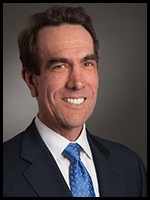
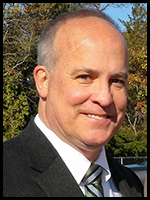



The remarkable lack of sufficient affordable housing is a constant issue on Long Island. This skilled panel tackled the different methods to increase housing affordability on the Island.
Panelists included: Peter Florey, D&F Development; Ralph Fasano, Concern for Independent Living; Dr. Sharon Mullon, LI Housing Partnership; Dave Gallo, Georgica Green; and Roger Weaving, Huntington Housing Coalition, Moderator.
“This is a vitally important topic,” Peter Florey stated. “Particularly this year when we were hit by the pandemic. We are seeing changes we have never seen before on Long Island, with large amount of folks exiting the city. The demand and supply on Long Island are unprecedented. If there was ever a time to focus on affordability, this certainly is it.” Mr. Florey continued, “The biggest challenge [when it comes to affordable housing] is to fund our projects.” He went on to describe several recent changes in funding that will be impactful, such as the State’s decision to go to a two-year cycle. COVID-19, however, has slowed this process and has affected the amount of soft dollars available.
Ralph Fasano of Concern for Independent Living stated, “There is no question about the need, the importance of what we do, and that is evidenced by the massive amount of applications and phone calls that we get when we open up housing. It’s a life changer for people in today’s environment.” Mr. Fasano went on to state, “We’ve always known there was a shortage of affordable housing and that people could benefit. The focus this past year, including on COVID and racial inequities, has really pushed us harder to try to fill the gaps because the need is so great.”
LI Housing Partnership’s Dr. Sharon Mullon discussed one problem affordable housing developers often encounter, which is the cost of purchasing the property, holding the property. “The LI Housing Partnership has received many properties from Sandy homes and Rebuild LI and they have been put into a community land trust. These properties are being developed with new construction homes. This is a new model for Long Island that is very helpful in getting people into higher opportunity areas,” Dr. Mullon explained. “It is critical to keep the prices affordable to provide fair housing to people.”
Dave Gallo of Georgica Green expressed what each panelist suggested, “Affordable housing does have a place in every community.” He expounded, “Affordable housing makes our children smarter and it makes our communities stronger.” The good news, it continues to become more accepted.
View the Addressing the Crisis of Affordable Housing Panel here.
Day 2: Community, Main Street,
and Development Challenges
Main Street Business Survival
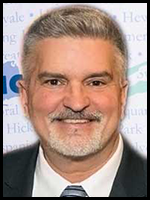
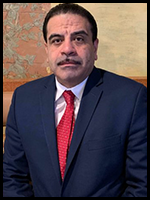





Long Island’s Main Street businesses are increasingly being challenged during Coronavirus. This panel of experts explored how local small businesses are managing today and preparing for tomorrow.
The expert panel included: Frank Camarano, Nassau Council of Chambers of Commerce; Luis Vazquez, LI Hispanic Chamber of Commerce; Harry Malhotra, South Asian Chamber of Commerce; Elizabeth Wellington, LI African American Chamber of Commerce; John Murray, Kilwins & The Hero Joint; Neil Seiden, Asset Enhancement Solution; and James Madore, Newsday, Moderator.
The panelists identified several common threads running through the difficulties they face navigating COVID-19. The severest challenge being the amount of ever-changing information being disseminated, almost daily, by government.
“The chamber tries to keep businesses informed. There is too much unclear information out there and it is difficult for the restaurants,” explained Luis Vazquez, LI Hispanic Chamber of Commerce. “It’s very confusing, there is no roadmap.”
The discussion shifted to the importance of sharing best practices, such as the need for increased social media presence and current economic assistance available. John Murray, owner of Kilwins & The Hero Joint explained that every day when he goes to work, he thinks about two categories, what he can control and what he can’t control. “I basically try, with my three operations, to focus on what I can control, such as operating more efficiently, pushing social media and using DoorDash and Uber Eats.”
Neil Seiden of Asset Enhancement Solutions outlined the financial assistance sources that are available right now for small businesses, such as the Economic Injury Disaster Loan (EIDL).
Expressing every business’ wish, LI African American Chamber of Commerce’ Elizabeth Wellington advised, “We all must support our downtown and local establishments and our small business owners.”
View the Main Street Business Survival Panel here.
Lines at Pantries: Addressing Food Insecurity


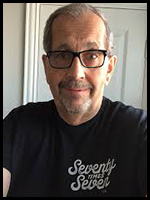


The COVID-19 pandemic quickly exacerbated food insecurity on Long Island and has pushed food pantries to their capacity. This expert panel tackled Long Island’s growing food access needs and what is being done to address those needs.
Speakers included: Randi Dresner, Island Harvest; Kim Skillen, Neighbors Supporting Neighbors; Pastor Roger Blackmore, Genesis Church, Medford; Vanessa Lockel, Cornell Cooperative Extension; Mike Passantino, Trinity Solar, Pink Tie, Moderator.
Addressing the food insecurity challenges on Long Island, Island Harvest’s Randi Dresner stated, “We are all in this together. We ask how can we partner together to expand the strengths of all our organizations. We are a small Island, but it’s also massive. We are made up of so many pockets and communities, and every community is unique. We need to address each community’s unique needs, in the way they need them addressed.”
Moderator Mike Passantino stated, “It’s so impressive to see people and businesses on Long Island, such as Shop Rite in Riverhead, Uniondale and Deer Park, so willing to give.” Mr. Passantino noted he has observed many people in need who don’t know how to get to the bigger organization, so smaller ones that go directly into communities, such as Pink Tie, bridge that gap.
Pastor Roger Blackmore of Genesis Church in Medford highlighted two additional challenges to serving those in need during the pandemic. “Number one,” Pastor Blackmore stated, “our lines got longer and number two, we had to be able to serve our clients in a safe way.” Pastor Blackman credited Long Island Cares with the idea of a drive through food pantry which allowed the Church to provide a no touch food pantry.
Vanessa Lockel from Cornell Cooperative Extension broadened the discussion to include how each region reaches and maintains a sustainable system. Collaboration is key.
View the Lines at Pantries: Addressing Food Insecurity Panel here
Long Island Youth Summit:
Workforce Training During COVID-19

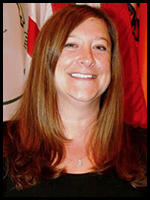

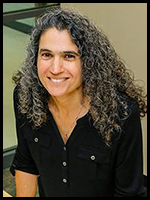

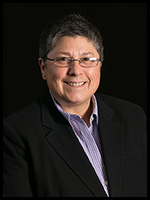

The Long Island Youth Summit consists of high school students Island-wide exploring important current socio-medical, environmental and community issues. Framing the Summit discussion, moderator Dr. Nathalia Rogers remarked, “We are focused on the recent period that changed the way we work and changed the way we prepare to enter the workforce.” The workshop consisted of student panelists and industry specialists.
Panelists included: Alexis DiDonato, Mather Hospital; Sarah Oral, Cameron Engineering; Dr. Subrina Oliver, O-High Technologies; Natalie Niemann, R.A. Suffolk Community College; Vanessa Cifuentes, Greenman-Pedersen, Inc.; Dr. Gail Lamberta, St. Joseph’s College; Dr. Nathalia Rogers, LI Youth Summit, CVP Training, Moderator.
Sarah Oral of Cameron Engineering tackled the issue of the adjustments that need to be made by the current labor force and the skills that workers now need to be successful and thrive in this COVID environment. Ms. Oral recounted, pre COVID found most employees working in an open office, where employees interacted together easily. Post COVID, however, most people work from home, but the need for collaboration still exists. Platforms such as zoom have proven vital. Ms. Oral stated, “Resiliency, adaptability and maintaining communication are the most important skill sets employees must have right now to be successful.”
Dr. Gail Lamberta of St. Joseph’s College spoke to the post COVID transition for college students and teachers. “Prior to COVID, we were teaching students how to function in a virtual world,” Dr. Lamberts noted. Preparedness made the transition successful.
Mather Hospital’s Alexis DiDonato was at the halfway point of her internship at Mather when COVID hit. Interns were sent home. “It was definitely very scary not knowing when we were going to go back, if we were going to go back,” Ms. DiDonato described. It was skillful communication that made the transition successful. “It’s all about adaptability and being able to transition from one thing to another,” Ms. DiDonato added.
Vanessa Cifuentes from GPI, which engages in student outreach, agreed with the other panelists, “The skills needed to be successful in this time are resiliency, the ability to pivot, the ability to manage change. That is what we see are strengths.”
Broadening the conversation, Dr. Subrina Oliver of O-High Technologies advised Summit attendees that students need to be active participants in driving their careers. “I want youth and young adults to really take ownership of their future,” Dr. Oliver stated. Further, Dr. Oliver discussed the many opportunities COVID has presented in terms of innovation and allowing everyone to think differently.
Students had an opportunity to ask the speakers questions, and in turn, speakers had an opportunity to share information with them.
Water & Sewer Infrastructure
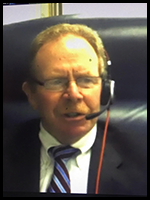

Development on Long Island is challenging, with limited areas that have sewer infrastructure and drinking water that comes from our aquifers below.
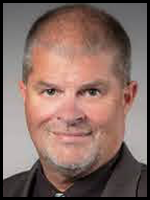
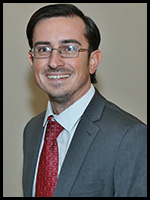
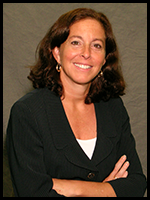
This year’s panel of specialists brought together to discuss the issues around water and sewer infrastructure included Peter Scully, Deputy County Executive, Suffolk County; Kevin Chandler, Suez NY; Gary Rozmus, GEI; Bryan Grogan, PW Grosser; Adrienne Esposito, Citizens Campaign for the Environment, Moderator.
The panelists addressed current, pending and future Island wide water & sewer infrastructure projects, as well as funding opportunities for sewer expansion, infrastructure upgrades and projects which improve Long Island’s water quality.
When it comes to protecting Long Island’s drinking water, “There is actually a lot happening, which is frankly encouraging,” moderator Adrienne Esposito remarked.
Discussion included the need for and challenges of managing growth allowing for economic development, while at the same time protecting our water resources. Gary Rozmus of GEI explained, “Part of what is impeding the progress of downtown revitalization is how do you handle the ground water issue and where are the funds to do so.”
Peter Scully, Deputy County Executive, Suffolk County, advised, “Ground water has been a concern for decades. Issues with water quality related to lack of waste water infrastructure were created over a series of decades and will not be solved in one year, or five years, or ten years. The goal has been to turn the tide and to begin to solve the problem in a generation.”
View the Water & Sewer Infrastructure Panel here.
Regional Economic Development Projects
Progress is being made on many regional economic large-scale development projects throughout Long Island. This Regional Economic Development Projects workshop provided updates on continued economic development, especially during COVID-19.
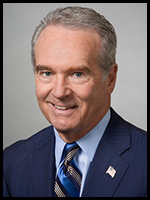
Panelists included: John Cameron, Cameron Engineering, LI Regional Planning Council; Chris Kelly, Tritec Development; Steve Krieger, Engel Burman; and David Winzelberg, LI Business News, Moderator.
These knowledgeable speakers provided updates on several significant projects around the Island, including the Ronkonkoma Hub. Regarding COVID’s impact on these projects, John Cameron, Cameron Engineering and LI Regional Planning Council, explained, “COVID-19 has slowed things down, but has given us a new perspective on what the next 20 years will look like.”
Regarding mixed-use development, Engel Burman’s Steve Krieger noted that one of the categories they have added into the equation of whether a mixed-use project makes sense is whether the retail involved is an essential component or not. “We have found that you have to provide retail to provide a sense of place,” Mr. Krieger stated. He went on to say, “On Long Island, assisted living occupancy has started to increase again; financing is still available; and retail profiles are doing well… Restaurant tenants are having difficulties, but lenders have been stepping up.”
The panel also examined zoning and its often-negative effect on projects. “Zoning authorities need to provide a better certainty on an outcome for developers,” Mr. Cameron concluded.
The speakers agreed, TOD’s will continue to prove strong on Long Island in the years to come.
View the Regional Economic Development Projects Panel here.
Multigenerational Impacts of Coronavirus: Seniors, Schools, Families




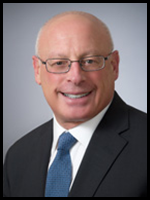
This group of expert panelists tackled issues of health, economy and lasting impacts on seniors, families and education resulting from the evolving changes and adaptations in daily life caused by the COVID-19 pandemic.
Speakers included: Bernard Macias, AARP; Jorge Martinez, Nassau County Office of Aging; Vanessa Baird-Streeter, Deputy Suffolk County Executive; Guy Page, H2M Architects; Dr. Nathalia Rogers, LI Youth Summit; and Michael Sahn, Sahn Ward Coschignano, Moderator.
Regarding schools, Guy Page of H2M Architects discussed the need for companies such as H2M to pivot to meet the challenges the pandemic has brought to school districts. “We needed to change our roles for our clients. We spent a good portion of last summer looking at school spaces and considering issues such as social distancing, in order to bring students and staff safely back into school facilities.” Mr. Page remarked, another important issue that needed attention was ventilation in the school buildings.
Moderator Michael Sahn commented that schools are just one sector of the multigenerational impact of COVID, another is the senior population, including those living in senior facilities. Bernard Macias of AARP discussed the actions AARP has taken as a result of the pandemic, including quickly pivoting to creating coronavirus virtual tele-town halls. “We found that crisis moves into an opportunity,” Mr. Macias noted. “That’s exactly what we did at AARP by pivoting to a virtual space.”
Vanessa Baird-Streeter, Deputy Suffolk County Executive, discussed the importance of decision makers putting themselves in the minds of families, many of whom live in multigenerational housing, to figure out what’s going to work to make them feel comfortable while their children engage in essential extracurricular activities.
Pulling this thread a little more, Dr. Nathalia Rogers, LI Youth Summit, went on to address the important issue of mental health, which she noted spans all generations, but is particularly critical among the older and younger generations. Dr. Rogers pointed to several reasons contributing to the present mental health crisis. These causes include lack of structure and social isolation, both of which are exacerbated during this pandemic.
View theMultigenerational Impacts of Coronavirus:
Seniors, Schools, Families
Panel here.
The Future of Events:
Arts, Music, Movies, Culture


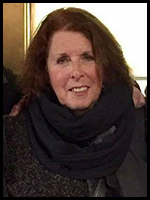
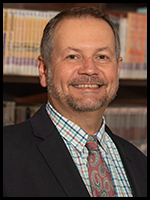
One sector impacted particularly hard by the coronavirus pandemic is that which enriches and entertains us - arts, culture, music and movies. The expert panelists discussed how arts and entertainment venues have transformed their events to meet changing needs during the COVID-19 pandemic.
The speakers included: Dylan Skolnick, Cinema Arts Centre; Minerva Perez, Latino Film Festival; Lois Howes, Long Island Arts Council at Freeport; and David Kennedy, Patchogue Chamber of Commerce, Moderator.
Like in many other areas, the pandemic has caused considerable uncertainty, but without surprise, creativity has managed to flourish in the arts community. Latino Film Festival’s Minerva Perez explained, “We have had to re-calibrate and re-imagine what we can offer.”
The speakers discussed ways in which their organizations have succeeded. Ms. Perez discussed the use of crossover events and ways to attract the youth of our communities. Dylan Skolnick, Cinema Arts Centre, discussed virtual performances and events, drive-in movies, and virtual interviews. Mr. Skolnick believes many of these re-imagined events will continue to be part of their programing even after the pandemic ends. Moderator David Kennedy stated, “We have all learned new things that may very well be permanent.”
Optimism was high among the speakers, “Over time, people will regather,” Mr. Skolnick concluded.
View the
Future of Events: Arts, Music,
Movies, Culture Panel here.
The Need for Corporate Philanthropy
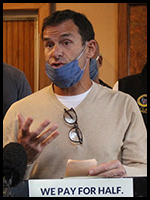

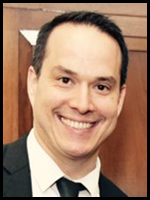
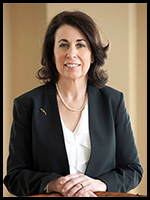

This workshop dove into the importance of corporate philanthropy in communities across Long Island in order to meet a range of needs, such as food insecurity, affordable housing, human services, arts and cultural institutions, managing public spaces, and other critical necessities, especially during COVID-19.
Panelists included: Jeff Gelbwaks, Sidgmore Foundation, Split the Bill; Mike Cave, Pink Tie Foundation; David Garten, RXR Realty; Beth Dalton, Dalton Funeral Home; and Eric Alexander, Vision Long Island, Moderator.
Moderator Eric Alexander opened up the workshop questioning how philanthropy has changed throughout coronavirus and how do we get more out of philanthropy in a creative way. “Typically, small businesses have helped a lot of community-oriented activities, but small businesses now have been hurting due to COVID regulations. A lot of bigger businesses, however, are doing better, but is the money they are getting trickling back to communities,” Mr. Alexander queried. “And that’s the challenge.”
Jeff Gelbwaks of the Sidgmore Foundation and Split the Bill discussed creative ways philanthropy can bring more dollars back to Long Island. “Everyone knows the world changed dramatically late February, early March,” Mr. Gelbwaks explained. Looking at the micro level, his sister, Randi Sidgmore, questioned how would small independent local business survive. “She really wanted to target local restaurants in downtowns.” Together, the two researched how to make the best impact for both consumers and restaurant owners. This led to the creation of Split the Bill, an inventive initiative where a customer orders out or dines in at a participating restaurant and the Foundation splits the bill with them.
Pink Tie Foundation’s Mike Cave discussed the importance of a business having a give back component in its model. “Every business I am associated with, such as Trinity Solar and GivNGo Gas Stations, have a give back component to their business and they grow their business by doing that.”
David Garten of RXR Realty shared the company’s ethos: “Doing good in doing well means doing better.” Mr. Garten discussed the principle that giving back grows a business. “We are a stronger company when communities are also strong and also successful.” During the coronavirus, the company created a platform called RXR Volunteer. “It is essentially a match making platform in which we connect professionals with small business and non-profits throughout the region,” Mr. Garten explained. The platform has helped over 200 small business and non-profits with everything from helping them with Federal assistance programs, to assisting them in transforming into a digital format. “Now is time we really need to lean in,” Mr. Garten concluded.
One vital message from the panel: Let’s keep the philanthropy on Long Island. We have needs here and we also have effective programs that can meet those needs.
View the Need for Corporate Philanthropy Panel here.
Community Leaders Panel

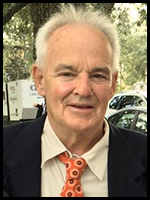
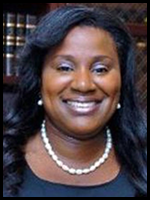




Local civics, chambers of commerce, and neighborhood associations are working on revitalization initiatives across Long Island for the betterment of their communities. This work now includes meeting the needs of community members and businesses during the COVID-19 pandemic. The tasks they face are daunting and work is needed to connect local communities to information and resources to help manage change.
The 2020 Community Leaders Panel focused on community needs, success stories and future goals.
Speakers included: Clariona Griffith, Hempstead Chamber of Commerce; Bob Kern, Riverhead Chamber of Commerce; Ghenya Grant, Wyandanch Chamber of Commerce; Karen Montalbano, Baldwin Civic Association; Linda Henninger, Kings Park Civic Association; Holly Byrne, Port Washington BID; Patricia Holman, Glen Cove BID; and Tawaun Weber, Vision Long Island, Moderator.
This year’s common thread among the speakers was adaptation and cooperation.
Ghenya Grant, Wyandanch Chamber of Commerce commented, “Businesses during COVID-19 are holding their own. Businesses have had to learn quickly how to adapt.” Patricia Holman, Glen Cove BID, agreed, “Our Glen Cove businesses transformed overnight and the Glen Cove community supports them.”
The panelists stressed how important working together is, be it within the community or outside the community. “The collaboration piece is very remarkable, the end result has more impact,” explained Holly Byrne, Port Washington BID.
“Port Washington is my hope right now,” Vision's Tawaun Weber stated, “Because they are seriously and anxiously wanting to make partnerships with other communities.” Ms. Weber remarked, “There is no way we can survive individually.”
View the Community Leaders Panel here.
Beautification, Parks, Native Plants
& Main Streets




Our public spaces can help to support both the community and our environment. While much of our publicly owned space is used primarily for automobiles, the pandemic has encouraged many to look at our paved and green spaces differently.
Panelists included: Mark McAteer, The Laurel Group; Rich Vandenberg, Greenport BID; Tom McAleer, Village of Valley Stream; Anthony Marinello, Dropseed Native Landscapes; Elissa Kyle, Vision Long Island, Moderator
The Village of Valley Stream had one of the largest outdoor dining spaces on the island. Tom McAleer stated, "Once the county decided they were going to streamline permitting for closing the roads, we reached out to all our businesses and surveyed them if they would want them to close down Rockaway on weekends, without even blinking an eye they said 'Absolutely!'" Using Rockaway as space for outdoor dining and walking instead of traffic and parking helped keep businesses afloat over the summer.
Rich Vandenberg Greenport had a different approach to expanding outdoor dining but with narrow sidewalks on a state road, they had to "figure out a way to utilize on street parking to help us with increasing that space" and developed a system of wooden enclosures for parklets on Front Street. This allowed outdoor dining while still maintain some vehicle access through downtown. There was a great deal of coordination between businesses and government agencies to make it happen and many businesses said they had their "best year" with the expanded dining.
Anthony Marinello highlighted how many of our Long Island communities were shaped by and even named after the natural features and native plants that grew there. He also spoke about the many spaces in our built environment can be planted to support our ecosystem. "We have all these little parks in town, if we just choose to use native plants, it will be beneficial." When choosing plants for roadsides, drainage areas, passive parks, parking lot islands and other places, "we can choose them for their functionality, for their ecosystem services, and their beautification abilities."
Mark McAteer introduced the group to the 1653 Foundation, a 501c3 not for profit who's "mission is to improve the public spaces in the Town of Huntington," and EOSPA (Environmental and Open Space Protection Fund Advisory Committee) that purchases and funds improvements to parks and public spaces with limited taxpayer dollars. As often happens, there is never enough funding to do all that is needed and there is a sentiment that "this is my back yard, and why is it so crappy? I'm willing to pay for it to be improved" and the 1653 Foundations provides a way to do that. It allows corporations or private citizens to make a tax deductible donations to fund specific improvements within the town.
View the Beautification, Parks, Native Plants
& Main Streets Panel here.
Day 3: Financing Our Recovery and Future
Jobs & Economic Development Outlook

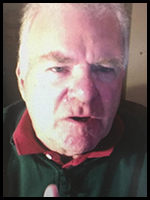


While Long Island’s unemployment rate dropped during the pandemic, there continues to be a need for high paying jobs to ensure residents can afford the Island’s high cost of living. The expert panelists brought together for this important workshop discussed where we were before COVID-19, where we are now and where we hope to be in the future.
Speakers included: Paul Trapani, LISTnet; James Bonner, NY Atlantic Railway; Roger Clayman, LI Federation of Labor; Mitch Pally, LI Builders Institute; Patricia Tutiven, People’s United Bank; and James Powers, Bohler Engineering, Moderator.
Moderator Jim Powers advised Summit attendees, “Long Island’s unemployment rate has almost doubled since this time last year. Last year we were at 3.4%, we are now at about 6.5%.” However, Mr. Powers pointed to some promising news: Industry is booming, as is affordable housing and healthcare. As for retail, Mr. Powers noted, it is changing. Although there are some closures, the smarter retailers are changing. “They are bringing other ideas to their property,” he stated.
“Residential construction was strong pre-COVID,” Mitch Pally, LI Builders Institute, remarked. “After a three-month hiatus, significant progress is again occurring and will likely stay strong.”
The effects of the pandemic have impacted jobs and the economic outlook all over the country in seismic ways, including “where” people work. “The pandemic has accelerated trends that were going on in the industry for a while,” LISTnet’s Paul Trapani stated, “But it sped them up ten times.” According to Mr. Trapani, the idea of working from anywhere has greatly advanced as a result.
There was an optimistic tenor to this workshop, with the hope that Long Island jobs and its economy will come roaring back post COVID, even if in a re-imagined state.
View the Jobs & Economic Development Outlook Panel here.
Residential Forecast: NYC Exodus,
Demand Rising, What's Next?



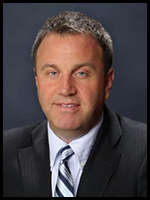
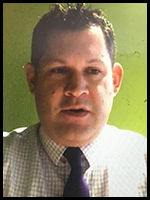
The COVID-19 pandemic is spurring Long Island home sales as a segment of NYC residents seek more space. The suburban demand, driven also in part by city residents who are able to work remotely while offices are closed, raises questions of the impact this exodus will have on Long Island. This expert panel discussed the economic effects of this growth.
Panelists included: Rich Amato, Keller Williams; Steven Dubb, Beachwood Organization; Nick Halstead, Mill Creek Residential; Kevin Leatherman, LI Board of Realtors; and John Chillemi, Ruskin, Moscou, Faltishek, Moderator.
“In the ongoing aftermath of COVID-19 and the statewide shutdowns last spring, the Long Island real estate market hit a stop, or a very serious slowdown,” Moderator John Chillemi explained. “So, although the shutdowns hit the market hard, Long Island showed how resilient the market is and we bounced back.” Mr. Chillemi noted several reasons for this, including the effects of the pandemic which caused people to reconsider living arrangements.
Regarding leasing and turnovers during COVID-19, panelist Nick Halstead of Mill Creek Residential informed, “When first annual leases were coming due, in the spring of 2020, COVID was present, shelter in place orders were in place, and nobody was really moving. We had no turnover in spring and summer of 2020.” By contrast, Mr. Halstead pointed out that there was negative impact from a construction perspective as a result of the shutdowns.
Kevin Leatherman of the LI Board of Realtors, advised during the first ninety days of the shutdown, from the real estate market prospective, immediate attention was placed on getting all of the pending transactions to closing. “That was the immediate crisis,” Mr. Leatherman noted. Quite surprisingly, when it came to the buyers’ market, Mr. Leatherman remarked, “I found the buyers that first stepped into the buyers’ pool were healthcare workers and law enforcement because of job security.”
Regarding the impact on the future of transit-oriented development since COVID-19, Nick Halstead commented, “Although transit-oriented development may be less of a focus now because no one is taking the ‘t’ part of transit… we believe in long run trends… we still do believe in it as a long run trend.” Secondarily, he added, “There still is a demand for quasi suburban/urban type living on Long Island.”
Consensus among the panelists: Pre COVID, the coop/condo market was stronger than the single-family home market, and although it still remains strong, post COVID, the demand for single-family housing has increased. Part of the reason is metro area buyers coming out to the Island.
Rich Amato of Keller Williams made an interesting observation,” There were a lot of buyers from NYC buying on Long Island, and that was true when COVID first started, now I’m seeing them start to come back to New York City.”
The shift of who buyers are, where they ultimately land, and how they access the real estate market, as we see changes in a post COVID world evolve, is still yet to be determined.
View the Residential Forecast: NYC Exodus, Demand Rising, What's Next Panel here.
Walking, Biking & Complete Streets




Creating Complete Streets has become more common and necessary on Long Island, especially during COVID-19 restrictions, in order to address the incredibly dangerous roadways that exist and to improve their walkability.
Panelists included: Frank Wefering, Greenman Pedersen, Inc.; Tommy Boston, VHB; Sean Sallie, Nassau County DPW; Jonathan Keyes, Suffolk County; Elissa Kyle, Vision Long Island, Moderator
Sean Sallie began with an introduction of some of the projects Nassau county has been working on this year including the "Shared-Mobility Management Plan" which should be kicking off in January which "will involve lots of community outreach and look at bike share, scooter share...and other services to augment our public transportation and make mobility more accessible to the population. Also providing safe and convenient mobility services to underserved and at risk populations." He also highlighted Salisbury Park Drive, Grand Avenue, Park/Beech Street, Austin Boulevard, Motor Parkway multi-use trail, and Lido Beach multi-use trail feasibility study.
Jonathan Keyes of Suffolk County announced that the bike share program is back in the county with a new, local vendor, Bloom, and located in several downtowns around the county. The North Shore Rail Trail is underway as well. The Hike Bike Master Plan was completed in March of this year which involved significant public input and factored in issues such as destinations, safety, health, equity and other issues when developing the plan which includes 1200 miles of linear projects. "When the plan is built out, 85% of county residents will live within a half mile of a bike facility"
Frank Wefering followed up with a safety perspective of walking and cycling which highlighted the significant increase in pedestrian fatalities in the US since 2009, which has no occurred in European countries. "It's not the love of the car, in Germany we love our cars and are building lots of them, it's the lack of safe alternatives." In addition, higher speed limits, higher vehicle miles traveled, larger vehicles, less driver training, and poor enforcement.
Tommy Boston of VHB highlighted the Southampton Bikeway and Pedestrian Improvements as well as the Route 110 Street Enhancement Project in Huntington Station. He explained the process of designing a complete street by balancing street capacity with future development, matching land use with the transportation network to make sure that everything is in scale, and "capitalize on placemaking and the opportunity to create a unique sense of place."
View the Biking & Complete Streets Panel here.
Financing Future Downtown Development
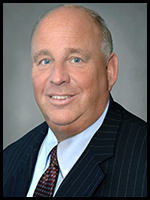



With Long Island’s property taxes as high as they are, financing mixed use and multifamily redevelopment projects can be all but impossible without tax benefits. Many reform efforts are underway to increase communication, public education and transparency of Industrial Development Agency (IDA) operations.
This practiced panel included: Richie Kessel, Nassau County IDA; Tony Catapano, Suffolk County IDA; Tom Dolan, Town of Babylon IDA; and Sean Cronin, Cronin & Cronin, Moderator.
In this difficult time of COVID-19, while local IDAs are helping to advance and support tax positive and mixed-use economic development, they are also focusing on supporting downtown businesses. “IDAs are focusing on our small downtowns,” explained Richie Kessel, Nassau County IDA. “IDAs are a life line to economic recovery and revitalizing downtowns all across New York State.”
Discussion included the myriad of ways in which Long Island IDAs are serving to bring job creating projects to the Island, assisting downtown businesses in prospering, all while attempting to attract new businesses to the Island.
The speakers emphasized the importance of local IDAs as an integral part of Long Island’s economic recovery and growth. As Tom Dolan, Town of Babylon IDA, noted, “It is real, businesses will move if we cannot compete with other states.”
View the Financing Future Downtown Development Panel here.
Federal Aid and the New York State Budget: Impacts on our Countries, Municipalities,
and Main Streets
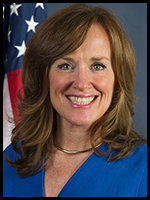
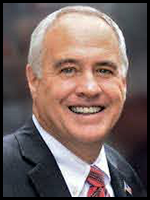

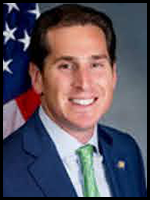
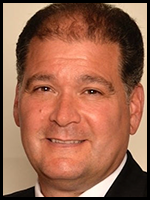
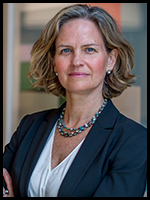
Federal aid is a critical component of local government revenue and has become a significant flash point between policymakers in Washington and New York State since COVID-19. The importance of Federal aid and its ramifications to local main streets cannot be overstated.
The closing session of Vision’s three-day virtual Smart Growth Summit culminated with an array of well-versed speakers when it comes to the financial needs of Long Island. These speakers included: Nassau County Executive Laura Curran; New York State Senator Todd Kaminsky; New York State Senator-Elect Mario Matera; New York State Lieutenant Governor Kathy Hochul; New York State Comptroller Tom DiNapoli; and United States House of Representatives, Congresswoman Kathleen Rice.
Nassau County Executive Laura Curran discussed the impact of the coronavirus in Nassau County. “We have the health issues we are dealing with, including getting information out to help people make good decisions,” the County Executive stated. “Along with that, we have the economic crisis. Early on we saw businesses were suffering. We have been tracking both on parallel lines. Early on we set up an economic advisory council which has been helpful for me to advocate to the State on how we can help our businesses.”
“We can really trust our business owners to make the right decisions,” County Executive Curran noted. “Business owners are natural problem solvers and we can trust them vis-a-vis the pandemic.”
On the question of federal aid, the County Executive is circumspect. “There is a lot of dithering going on in Washington right now, it doesn’t make me feel comfortable we are getting federal aid for our local governments,” she disclosed.
New York State Senator Todd Kaminsky, speaking about downtown main streets, stated, “One great way we continue to work together is to fight for funding for our downtown revitalization initiatives. It is a critical pot of money we can’t give up on. We need to continue to prime that pump and make sure Long Island is right at the center.”
“Our whole economy has been affected,” Mario Matera, New York State Senator-Elect, explains. “Infrastructure is key. We need to make sure that our infrastructure is funded properly so we can move forward with our future with the proper growth.”
New York State Lieutenant Governor Kathy Hochul spoke via video tape to Summit attendees. “We are at a critical juncture in what the upcoming years will look like in terms of our ability to manage the COVID crisis, as well as if we will have a strong recovery.”
“The COVID-19 crisis has been nothing short of devastating to our small businesses, our economy, and our residents all across the State,” Lieutenant Governor Hochul stressed. “We are committed to continue to invest in our communities to help ensure growth and improve the quality of life in a post pandemic future.” The Lieutenant Governor emphasized, “We need the help of the Federal government. One of our biggest challenges is financial. State and local governments desperately need federal dollars now.” The Lieutenant Governor concluded, “I feel hopeful with leadership changes in Washington, our federal representatives will come through for us.”
“From the moment this crisis hit,” United States Congresswoman Kathleen Rice told Summit attendees, “my number one priority is to make sure Nassau County has the resources it needs to get through this pandemic… While cases are still on the rise, the good news now is that our hospitals feel prepared heading into the winter. Where we need to do better is addressing the economic ramifications of our new reality. Operating a business right now is beyond challenging.”
“The money that was available through [federal] programs only scratched the surface of what is needed,” Congresswoman Rice asserted. “That is why I have been fighting in Congress for a new economic package to help our small businesses, support critical infrastructure and provide relief to our local municipalities.”
Closing out the Summit was New York State Comptroller Tom DiNapoli. “Now we are facing an extraordinary turn of events with COVID-19. We are facing a public health crisis that continues with COVID-19, and the economic devastation that comes along with it,” Comptroller DiNapoli stated. Speaking about the economic impact of the pandemic, the Comptroller noted, with regard to the unemployment rate, Nassau and Suffolk Counties are doing slightly better than the rest of the State. As an example of COVID’s devastating economic impact, Mr. DiNapoli highlighted that the State has processed unemployment payments this year of over 55 billion dollars across the State. By comparison, for all of 2019, it was just a little over 2 billion dollars. “The impact on every day New Yorkers, including Long Island, has been severe,” Mr. DiNapoli underscored. “We are in a recovery mode now.”
Looking at other economic indicators, Comptroller DiNapoli revealed in the second quarter of this year, sales tax revenue on Long Island was down over 24%. Due to all the challenges, budgets gaps are growing. “There is still a lot of uncertainty,” he stated, “but we are managing by delaying payments. The reason for that is we are waiting to see whether or not, if fact, we are going to get additional support from Washington.”
The common thread running through all these discussions: We need much more support from Washington if our local towns and villages are going to recover from the present economic crises caused by the pandemic.
View the Message from US Representative Kathleen Rice here.
View the Message from NYS Comptroller Thomas DiNapoli here.
View the Message from NYS Lt. Governor Kathy Hochul here.
View the Message from NYS Senator Todd Kaminsky here.
View the Interview with NYS Senator-elect Mario Mattera here.
View the Interview with Nassau County Executive Laura Curran here.
Special Thanks to the Elected and Public Officials who joined our Summit
Federal & NYS Representatives included: US Congresswoman Kathleen Rice; NYS Comptroller Tom Dinapoli, NYS Lt. Governor Kathy Hochul, Magda Campbell, Office of US Senator Kirsten Gillibrand; Theresa Santuro, Andrew Mulvey, Office of Governor Andrew Cuomo; NYS Senator Hon. Phil Boyle, NYS Senator-elect Mario Mattera, NYS Senator Todd Kaminsky, NYS Assemblymembers Hon. Judy Griffin, Hon. Michaelle Solages, Hon. Taylor Darling, Hon. Ed Ra,;
Nassau and Suffolk County Officials included Hon. Laura Curran, Nassau County Executive; Hon. Jack Schnirman, Nassau County Comptroller, Nassau County Legislature; Hon. Ellen Birnbaum, Nassau County Legislature; Hon. Debra Mule, Nassau County Legislature, Hon. Carrie Solages, Nassau County Legislature, Hon. Rose Walker, Nassau County Legislature; Hon. Laura Schaefer, Hon. Tom Cilmi, Hon. Steve Flotteron, Suffolk County Legislature; Hon. Kevin McCaffrey, Suffolk County Legislature, Hon. Rudy Sunderman, Suffolk County Legislature.
Long Island Town Officials included Hon. Dorothy Goosby, Senior Councilwoman Town of Hempstead, Hon. Bruce Blakeman, Hempstead Town Councilwoman; Hon. Chad Lupinacci, Huntington Town Supervisor; Hon. Joan Cergol, Huntington Town Councilwoman; Hon. Angie Carpenter, Islip Town Supervisor; Hon. James O’Connor, Islip Town Councilman; Hon. Marianne Dalimonte, North Hempstead Town Councilwoman; Hon. Veronica Lurvey, North Hempstead Town Councilwoman; Hon. Joseph Saladino, Oyster Bay Town Supervisor; Hon. Vicki Walsh, Town of Oyster Bay Councilwoman, Hon. Laura Maier, Town of Oyster Bay Councilwoman; Hon. Jodi Giglio, Town of Riverhead Councilwoman; Hon. Ed Werheim, Town of Smithtown Supervisor, Hon. Tom Lohmann, Town of Smithtown Councilman; Hon. Jay Schneiderman, Town of Southampton, Supervisor, Hon. Richie Schaffer, Town of Babylon Supervisor, Hon. Anthony Mannetta, Town of Babylon Councilman.
Long Island Village & City Officials included Hon. Dennis Siry, Village of Amityville; Hon. Ralph Ekstrand, Village of Farmingdale; Hon. Jean Celender, Village of Great Neck Plaza; Hon. Jeff Daniels, Village of Hempstead; Hon. Mike Lavarota, Hon. RJ Renna, Village of Lindenhurst; Hon. Allan Beach, Village of Lynbrook; Hon. Mercy Smith, Village of Northport; Hon. Barbara Donno, Village of Plandome; Hon. Margot Garant, Village of Port Jefferson; Hon. Sarah Oral, Village of Roslyn; Hon. Peter Cavallaro, Village of Westbury; Hon. Liz Treston, City of Long Beach, Hon. Danielle Fugazy, Hon. Marsha Silverman, City of Glen Cove.
Former Elected Officials and Representatives included Hon. Michele Schimel, former NYS Assemblywoman; Hon. George Graf, former Mayor Village of Farmingdale; Hon. David Kappell former Mayor Village of Greenport; Hon. Ralph Krietzman, former Mayor Village of Great Neck; John Cameron, LI Regional Planning Council; Richard Kessel, Nassau County IDA, Hon. Jon Kaiman former Town of North Hempstead Supervisor.

Here is select press coverage
for the 19th Annual Summit!

Read pre-coverage for the event at
Long Island Business News here.

Read coverage of the Main Street Business Survival Panel here.
Read coverage of the Keeping Downtown Restaurants Open Panel here.
Read coverage of the Walking, Biking, and Complete Streets Panel here.
Read Coverage of the State o the Towns and Villages Plenary Session here.

Read more coverage of the Main Street Business Survival Panel here.
Read more coverage of the Jobs and Economic Outlook Panel here.
Check out our Virtual Smart Growth Summit Packet:
List of Panelists
Vision Long Island One-Pager
Long Island Youth Summit
Long Island Lobby Coalition
Long Island Main Street Alliance
Pink Tie Delivers
We are now accepting nominations for
the 2021 Long Island Smart Growth Awards!
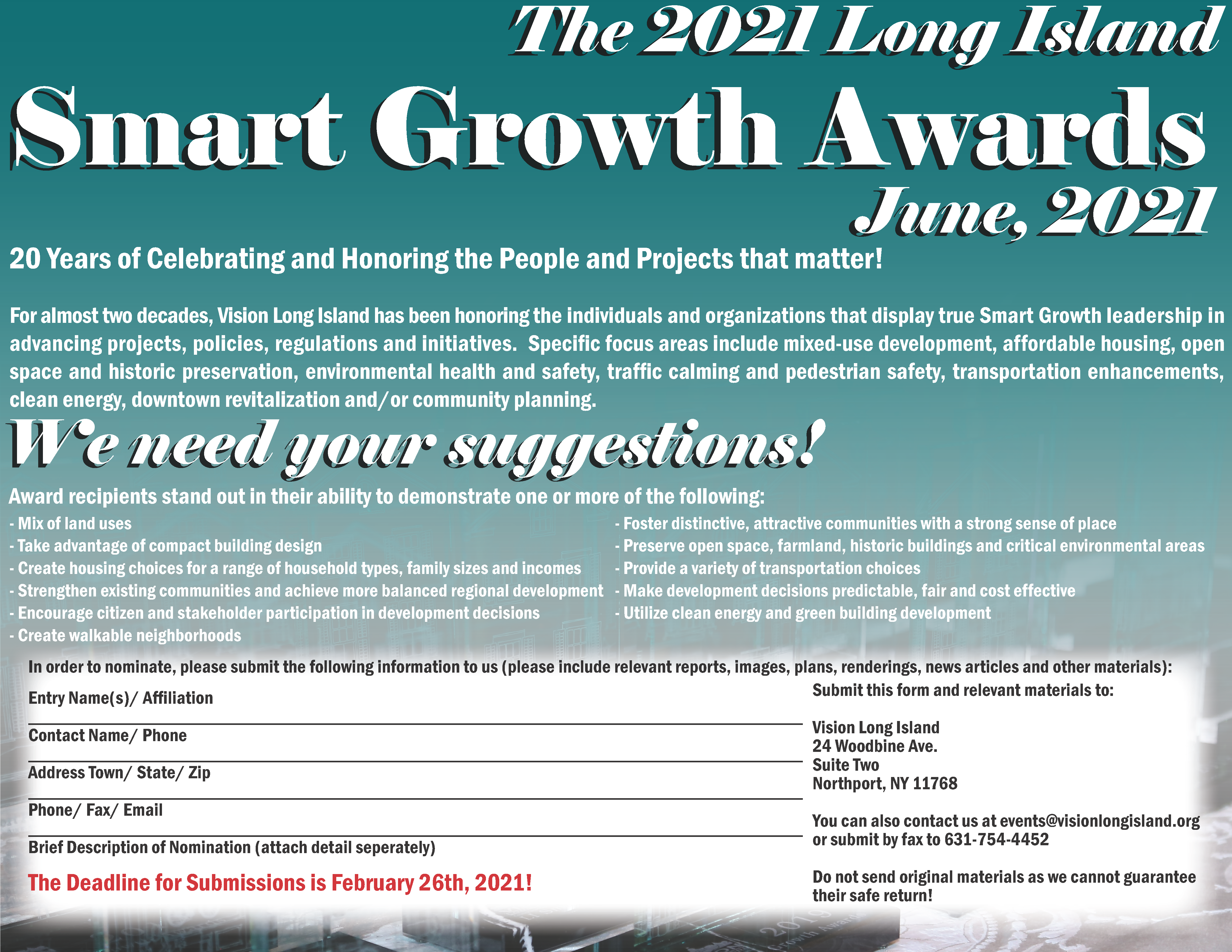
You can view a printable version of the flyer here.
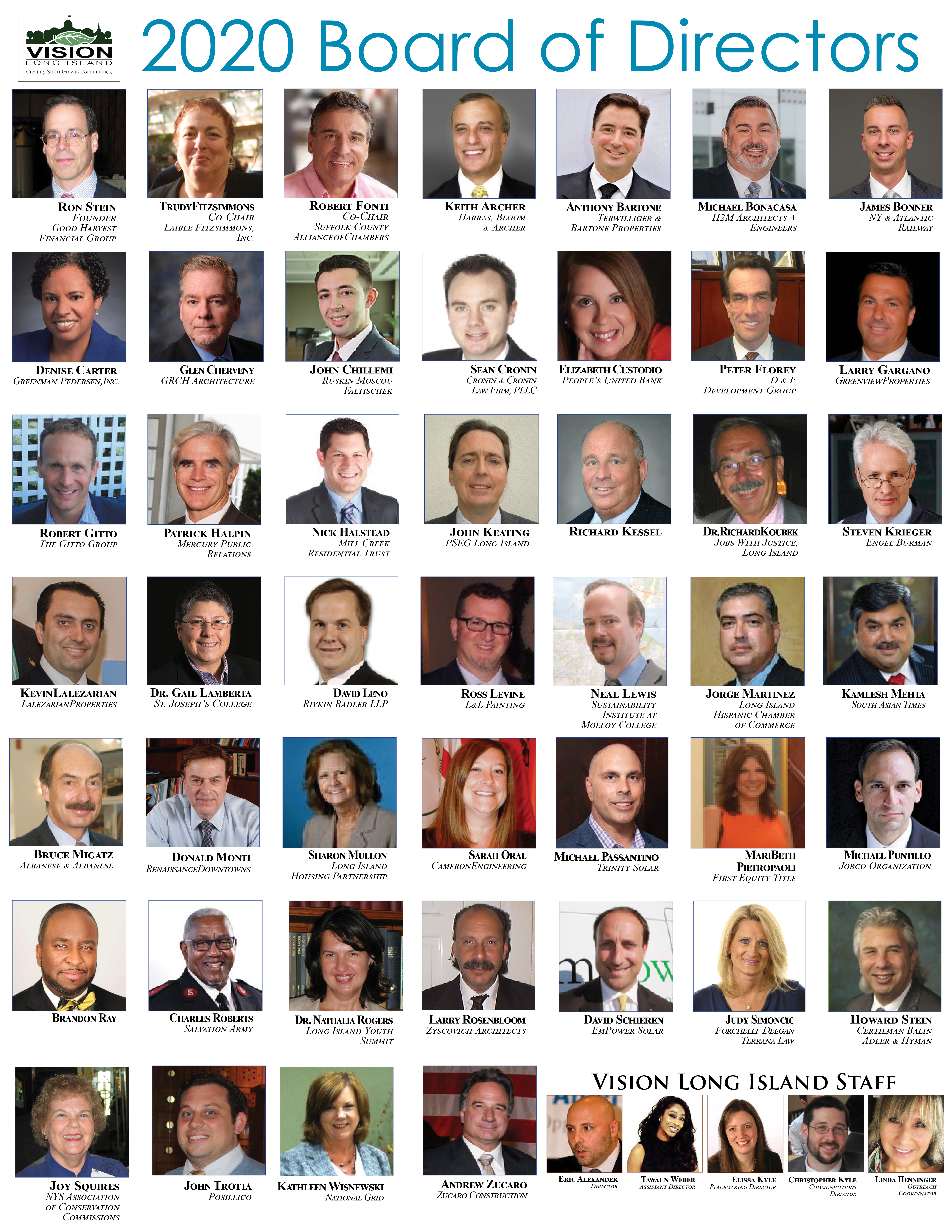
Special thanks to our Board members!
Vision Long Island
24 Woodbine Ave., Suite Two
Northport, NY 11768
Phone: 631-261-0242. Fax: 631-754-4452.
Email: info@visionlongisland.org
Website: www.visionlongisland.org
 Facebook | Facebook |  YouTube YouTube |
 |


Home | Contact Us | Newsletter Archive | Donate | About Us
