Long Island Complete Streets Virtual Summit Charts Course for Continued Expansion of Public Spaces to Creating Safe Walkable, Bikeable Communities
Annual Event Features local government officials, business leaders, infrastructure professionals and walking and biking advocates after a Year of Pandemic and Isolation that has expanded walking and biking though many dangerous roadways remain.
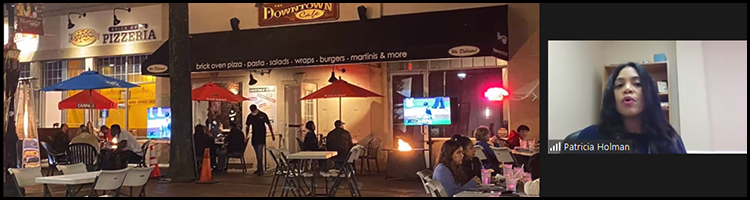
Over 250 local businesses, traffic engineers, civics, government officials and bike advocates assembled at the virtual LI Complete Streets Summit.
Over 15 presenters focused on Federal and state funding for walking and biking projects, plans for outdoor public space to assist our downtowns and the best practices of traffic calming design solutions that reduce speed and save lives.
The Coronavirus shutdowns have gotten more folks out walking for our physical, mental and social health and also to shop local. We also still have some of NYS’s most dangerous roadways by design. Across America, the number of people struck and killed while walking has gone up 45 percent in a decade, and people of color, older adults, and people walking in low-income neighborhoods were killed at significantly higher rates, according to Smart Growth America.
This Summit gave an up to date profile on what is happening on our roadways and what we can do to improve walking and biking conditions.
Thank you to our sponsors as well: Greenam Pedersen, Inc, VHB, AARP, American Heart Foundation, H2M Architects + Engineers, Ennis-Flint, WSP, Southwest Airlines, and Adam Haber.
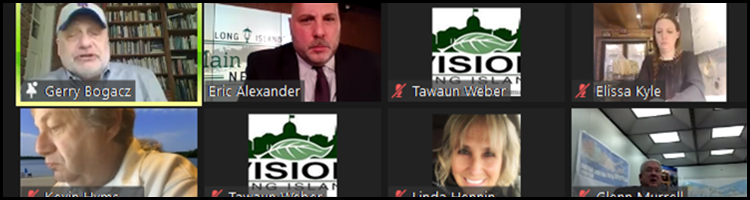
The first day of the event had a broader view as we looked at efforts on the state and regional level. This included conversations with Glenn Murrell from the NYS Department of Transportation, Gerry Bogacz from the New York Metropolitan Transportation Council, Dan Flanzig from the New York Bicycle Coalition, and Frank Wefering from Greenman Pedersen, Inc.
 Our first speaker of the day was Glenn Murrell from the NYS Department of Transportation, who began by giving an overview of Region 10, which includes both Nassau and Suffolk Counties. He noted that the region features heavy traffic, major roads, and a number of different types of transportation systems.
Mr. Murrell talked about how DOT is working on a number of projects within the region and is working to provide funding for construction and safety enhancements. Approximately $80 million in funding is being distributed for 2021 projects, including ones both out to bid and already being rewarded. There are also a number of initiative underway to improve safety for pedestrians and cyclists.
The projects being supported are consistent with New York State’s Pedestrian Safety Plan, which has the support of the state government. Mr. Murrell encouraged people to NYS’s DOT website for more in-depth information about projects underway, and to send any questions to Region 10’s public involvement coordinator, who would connect them with people that could answer their questions. They are available at R10-RPIC@dot.ny.gov or 631-952-6929.
The NYS DOT has a number of projects currently being planned or under construction. These include a number that focus on street improvements and improved maintenance for both pedestrian and bike safety. Pedestrian safety is being addressed all through the region and includes work on Jericho Turnpike, and ranging from New York City to Orient Point. There are a number of Safety Enhancements underway as well.
Important projects in particular include the Route 347 reconstruction, which has long been a priority for Vision and the Hospital Road over NYS Route 27 Bridge Replacement and Widening Project.
There was a healthy Q&A period after Mr. Murrell’s presentation which showed that there is a thirst on the local level for resources in our municipalities that are hoping to make things safer and more walkable.
Here is a collection of quotes from Mr. Murrell's presentaion:
"Complete Streets Law was signed by Governor Cuomo in August 2011. Complete Streets contribute to a cleaner, greener transportation system so that more citizens will achieve the health benefits associated with active forms of transportation, while traffic congestion and auto-related air pollution will be reduced.”
“Next projects include NYS Route 347 Reconstruction, which is a 65-to-80-million-dollar job. It will continue with the scope of the previous projects.”
“NYS DOT had two projects consistent with the Pedestrian Safety Action Plan… We have already exceeded our goal, so we are doing very well in the region on that.”
“The Transportation Alternatives Program (TAP) is federal funding… I suggest people check their website for the next solicitation for TAP.”
At this point there are two things going on. We have the ongoing state budget negotiations - we are waiting to see how that plays out. That typically funds some of these projects. The potential federal infrastructure bill, we are talking 3 trillion dollars, we’ll be right on board, we’ll spend the money.”
“If people submit an idea or suggestion or proposal (discussing outdoor space or signage above state roadways) we will certainly look at it. Obviously, our first priority is the safety of the roadway, but Greenport is an example of where we worked with them.”
You can view Mr. Murrell's presentation here.
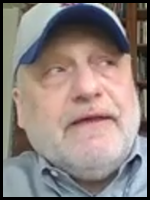 Gerry Bogacz was the next speaker, covering the purpose and background of the New York Metropolitan Transportaton Council (NYMTC). He talked about how the regional council is a required aspect to help getting federal funding into the region. There are others across the country, but the goal of NYMTC in particular is to bring together local planners in the NYC and Long Island regions to guide federal dollars to local priorities.
A big part of that is having local elected officials and stakeholders as part of the planning process, including County Executives and trustees. This community focus has really effected decision making when it comes to planning.
His presentation also focused on how planning has evolved over the last 30 years, which has changed tremendously when it comes to transportation. The process has really begun to incorporate the need for more non-motorized ways of getting around as travel habits have become more localized. Especially in the wake of the pandemic, we’re seeing more and more residents staying local as web commerce and remote working has become more prevalent.
This new reality of transportation really requires a reorganization of road space in our local communities as we face a whole new way of doing things. It’s still unknown how things will play out, but NYMTC is working to examine the long term effects of the pandemic and what we can do to improve transportation in a post-pandemic world.
Here are some quotes from Mr. Bogacz's presentaion:
“There have been a number of transit-oriented development projects undertaken by the Long Island Railroad, in conjunction with local municipalities, as well as through organizations like Vision Long Island. Finally, our current plan does have coordinated development emphasis areas, which is an attempt to provide a land use development framework for transportation planning, decision-making and funding of projects. It is very important to bring these together, especially in suburban areas where the counties do not have a direct role in land-use.”
“The issue of earmarks is a very interesting area where we don’t know what is going to play out, but that could change some of the [future] equation. If funding goes to earmarks, that means that local chose is essentially taken out of the picture and how much money is available to be flexibly used for solutions.”
“When we bring communities together to decide what they might want in their downtowns, that helps them put together better project applications for funding sources like TAP. That means we get more effective projects funded from sources like TAP. It’s really a win-win all the way around. Building a consensus at the local level is actually really important to building consensus at the regional level. Thinking regionally and acting locally.”
You can view Mr. Bogacz's presentation here.
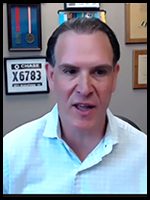 Dan Flanzig from the New York Bicycle Coalition was our next speaker, talking about his work as an advocate for cycling in the local region. Mr. Flanzig works as a lawyer representing the rights of cyclists while also advocating for increased safety. An avid biker himself, he recognizes how difficult it can be to just ride a bike on Long Island.
He talked about his organization’s efforts to improve biking on Long Island, which was boosted by a recent $25,000 grant from the Hagedorn Foundation. One way to combat that is by simply changing our mindset when it comes to non-motorized forms of transportation. In this case, it could be as simple as no longer referring to biking as an “alternative” mode.
Mr. Flanzig also spent some time talking about the efforts of Suffolk County to improve safety, which began with an ill-advised bill that was eventually killed by Executive veto. Suffolk did eventually pass a new 3 foot bill, which Mr. Flanzig praised, that required drivers to leave at least 3 feet of space between them and cyclists when riding.
Here are some quotes from Mr. Flanzig's presentation:
“Ebikes, pedal assisted bikes, are now legal in the state, making cycling even more accessible to people on Long Island, especially given our hills, or people getting older.”
“We always talk about bikes as an alternative form of transportation, we really need to turn our heads around and move in a different direction and call them transportation. It is no longer alternative, it needs to be part of our infrastructure and considered when you are planning around your villages and towns and your roads.”
You can view Mr. Flanzig's presentation here.
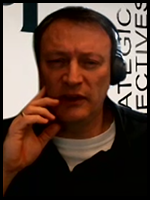 The final speaker of the first day was Frank Wefering, who presented on the efforts of Greenman Pedersen, Inc. when it comes to incorporating good design practices when it comes to planning. As with most everyone these days, the pandemic has changed how planning is done as we struggle with a new reality and increased interest in non-motorized transportation.
His company is dealing with the question of whether or not these changes in policy and public priorities will be permanent. Surveys have shown that the public is on board with a lot of them and community groups are pushing for them as well. The message is that the public considers vibrant and healthy downtowns a quality of life issue and the changes to our public spaces is looking more like a mindset that will not fade with the pandemic.
This means that companies such as GPI will need to begin looking at how they can improve safety in a system that was designed primarily with the motor car in mind. More people are walking and biking these days but there has not been any significant improvement to make their interactions with automobiles safer. In fact, numbers show that the problem is getting worse across the country.
This is a design problem that has been ongoing for years and is being exacerbated as people’s focus has become increasingly local during the pandemic. The time to affect real change and improve safety is now, according to Mr. Wefering.
Here are some quotes from Mr. Wefering's presentation:
“The question we should all ask is, are the temporary changes to facilitate outdoor activities and social distanced gatherings here to stay?”
“With the pandemic, even though the traffic volumes are down, speeding is actually up and fatalities are up, especially among cyclists and pedestrians.”
“It is a design problem, we can make it safer for people to cross [streets], and we can make it more difficult for drivers to speed… We need to separate cycling and walking infrastructure from vehicle infrastructure. That has been the key to success in other places around the world and that’s where the money has to go.”
“'If you plan for cars and traffic, you get cars and traffic. If you plan for people and places, you get people and places,'" said Mr. Wefering as he quoted Fred Kent. "This is very true, but it got a new meaning during the pandemic. There was an urgency to change our streetscapes and our places where we could still go outside and be active.”
You can view Mr. Wefering's presentation here.
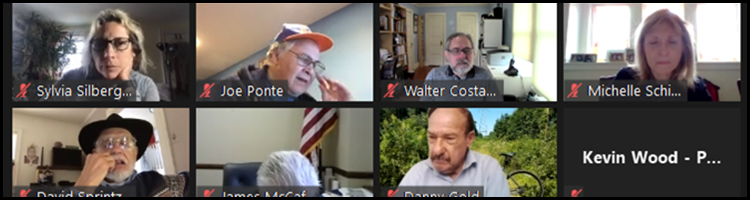
Day 2 of the event had a more local feel as we heard about initiatives taking place from the County level on down to Villages. Our guest speakers for Day 2 included Nassau County Executive Laura Curran, an update from Jack Khzouz of NICE Bus, Bernard Macias of AARP, Ken Schwartz of VHB, and Danny Gold from the Trust in Public Land.
We also had two panels focused on Long Island’s counties on this day. The first panel looked at Nassau County and featured presentations and comments from Sean Sallie, who is a Deputy Commissioner at Nassau County’s DPW, Michael Levine from the Town of North Hempstead, Patricia Holman from the Glen Cove Downtown BID, and Patricia Bourne from the City of Long Beach. Our Suffolk County panel was comprised of Jonathan Keyes from Suffolk County, who is Director of Downtown and Transit Oriented Development, Babylon Village Trustee Robyn Silvestri, Lindenhurst Village Trustee RJ Renna, and Lauryn Randall from the Shinnecock Nation Department of Transportation.
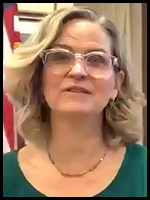 The second day of the LI Complete Streets Summit kicked off with Nassau County Executive Laura Curran providing updates on how the county is addressing downtown revitalization and street safety. She started with a general update on what’s been going on around the county, starting with praise for the advancement Oyster Bay has made for downtown Hicksville, Baldwin’s revitalization efforts, and efforts to roll back red tape and make it easier for restaurants and stores to use streets as retail spaces.
Like so many others, Nassau County is dealing with a different world since the beginning of the pandemic. A renewed interest in active transportation coupled with a need for social distancing has created so many new uses and innovations for public spaces. Due to this, the County is trying to encourage streets designed for different kinds of users. Their team is focused on improving local hiking trails and creating complete streets corridors for the increased users. They are also preparing for a potential stimulus happening later this year, and have a list of shovel-ready projects ready.
County Executive Curran also announced that the County will be launching the Shared Mobility Management Study to analyze transportation demands post-COVID. This will allow Nassau County to determine how best to react to those in need and match the demand. At the same time, Nassau is working to encourage electric vehicles in the area, for both private and public vehicles. They are installing new electric vehicle recharging station that will be available for both the public and county employees. They will also be purchasing the first electric battery buses for NICE bus. Executive Curran also talked about how the bus system has been slowly bouncing back from its ridership lows during the pandemic.
The final bit of her update talked about how infrastructure has been a major focus for Nassau County. Nassau has a goal of paving 150 lane miles in the county. She also talked about how roads are the economic lifeblood of the region and that they have a list of projects ready to begin if a national infrastructure stimulus is passed.
Here are some quotes from the County Executive's presentation:
“We need to keep beating the drum for TODs and the importance of bringing back our downtowns. We are having some real good progress… such as Hicksville’s rezoning of downtown, so we can finally capitalize on that wonderful transit hub and the third track.”
“We wanted to attract people back to the downtown. We had a pilot program called Open Streets, which was a big success. We saw our towns and villages, if they have county roads in their main streets, able to cut the red tape with the police department and DPW so they could open their streets to socialization with a downtown vibe. This is something I want to expand.”
“We have also seen throughout the pandemic, residents taking up cycling, walking. They are using our parks and other forms of transportation, not just necessarily driving. I believe there is a renewed interest in active transportation and it’s going to be here to stay and we want to encourage it as much as possible in our post COVID world.”
“We want to encourage other kinds of users on our roads, whether it’s bicyclists, pedestrians, and people who have a hard time getting around in our suburban landscape.”
“We didn’t cut any bus routes during COVID, but there were some reductions on some lines. We are adding trips on those routes, careful about COVID guidelines.”
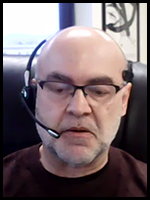 Later on in the meeting, Jack Khzouz followed up by giving a brief update on NICE bus. He noted that the need to pivot quickly has become a key feature of their planning process recently. Gone are the days of five to ten year planning cycles, NICE has morphed into a company that is focused on being flexible, which has come at a time when there have been seismic shifts in ridership numbers.
He compared the bus company to a start up in certain ways. One example of this is how they have had to shift routes and react to new traffic patterns as downtown streets are closed to create outdoor public spaces. They are trying to be innovative though, and finding new ways to make quick changes as needed in the next few years.
Mr. Khzouz anticipates a challenging future for NICE, but is hopeful to gather support from municipalities.
Here are some quotes from Mr. Khzouz's presentation:
“The need to pivot, and pivot quickly, is something new to the world of long-term planning. It has put us all on our heels. We have gone from longer term five-and ten-year planning to literally day by day planning on how we deploy vehicles.”
“Travel within the county has seen a big increase… We tend to try to react as quickly as we can to shifts in travel to help support our restaurants, retail, healthcare and everything else we do every day.”
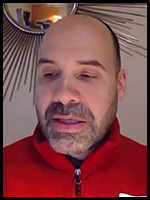 Bernard Macias spoke before our panels got underway, giving an update on what AARP NY is doing to advocate for strong communities that serve our senior population. He talked about the need to keep our hearts and minds healthy as the pandemic continues, and how AARP has teamed up with Hope for the Warriors to promote an exercise challenge, known as “30 for 30” in the month of May. The idea is for people to exercise for 30 minutes each day all month long.
One of the biggest changes he’s faced as an advocate this year is having to move from in person work to more remote model. AARP usually does things like walk audits to assess the strength of a local community’s public space. He also talked about how AARP has worked to bring social interaction to isolated seniors and to help them with technology so that they can stay connected with others, as well as some of the programs they have done to help promote senior business owners.
Mr. Macias’ presentation touched on a number of subjects facing seniors. These included creating free courses for entrepreneurs aged 50 or older, partnering with tech networks to bring IT to seniors’ homes, working to make broadband available for them as well, and giving seniors communication lines out of their homes to combat isolation and loneliness, among others.
Here are some quotes from Mr. Macias' presentation:
“We will continue our walking audits cosponsored with Vision Long Island into multiple communities to help create safe walking conditions for our members”
"What we now have been doing is looking at our downtowns and asking how can we strengthen and help our small business owners. We have organized Small Business & Entrepreneurs Workshops with Spring Board Incubators. It is geared to the 50 plus entrepreneurs."
Our first panel of the second day was focused on Nassau County, particularly on how municipalities are working to cope with the reality of a world that has been changed by COVID-19. Panelists talked about how their particular entity has worked to provide support to local businesses and make changes that benefit both community and region.
 Nassau County Deputy Commissioner of Public Works Sean Sallie spoke first. Mr. Sallie’s presentation focused on the challenges that the DPW is facing and how they are trying to spearhead roadway safety in the new post-pandemic reality.
The County is currently working to improve complete streets priorities in the region and is also focused on road repair and maintenance. Every project provides an opportunity to improve the situation of the streets, even if it’s just standard maintenance. Nassau has taken an “every little bit counts” approach to improvement, ensuring steady improvement.
They are also working to improve communication and create a number of tools that will allow for constituent requests and safety concerns to be addressed. Nassau is currently looking at projects alongside that information so that they can figure out which projects to prioritize.
Here are some quotes from Mr. Sallie's presentation:
“Complete Streets measures were once alternatives or things that were thought of as ‘if we get the chance.’ We are happy to say that at the Nassau County Department of Public Works, complete streets components, the evaluation, is baked into every single roadway project that we do.”
“The County will be spearheading a roadway safety prioritization system. It will be a technologically advanced web map analysis tool for the decisionmakers to prioritize roadway safety, pedestrian safety improvements on county roads.”
"There is a heightened and greater awareness of the need for complete streets – non motorized transportation, such as walking and biking. It has brought forward the need for infrastructure improvements and services."
You can view Mr. Sallie's presentation here.
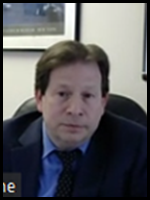 Mike Levine, the Commissioner of Planning at Town of North Hempstead, was the next panelist, who presented on the challenges that the Town faced as retail and restaurant spaces expanded into local roads. The process was a complicated one that was exacerbated by the need to move quickly in the face of the economic shutdown this past March. A committee was formed and feedback was gathered from a number of entities to provide quick and effective solutions to the local area.
Some of the concerns faced was where displaced parking would go and how to allow for emergency vehicles to get into the area, if needed. Other issues, such as noise and how late streets would need to be shutdown were addressed as well. Once a plan was approved legislative action was needed to move forward with the changes. They worked to expedite the application process for permits to expand outdoors, create visual warnings for traffic, and promote the changes through Shop Local campaigns.
The process proved successful for local businesses, but there was always a hesitance by some to take advantage. Still, the popularity among those who did participate has raised a new question of whether or not to make these changes permanent. However, this would probably require a complete re-design of Hempstead’s streets, which were never designed to fill this purpose.
Here are some quotes from Mr. Levine's presentation:
"We have to confront the facts that we never designed the streets for this purpose. So, it is one thing to improvise to get through the year, or are these potentially permanent design features to be incorporated into the textbook on how to do street design? Is this a new way of designing a complete street?”
“[In responding to businesses], we had to know that the solutions we were coming up with were actually relevant to the problems they were having.”
“We didn’t reach everybody, but the restaurants were busy, even into fall.
You can view Mr. Levine's presentation here.
 Our third panelist from Nassau was Patricia Holman, Executive Director of the Glen Cove Downtown BID, who provided a viewpoint for small businesses that have been devastated due to the pandemic. Her local BID, and others across Long Island as well, have been working overtime to provide support to these businesses and help bring people back to downtowns.
The Glen Cove BID has been working as an advocate and a producer of capital improvements for their local area. They have added aesthetic factors that go hand in hand with promotional campaigns while producing materials for local stores and the downtown space. Like a lot of other municipalities, they have also worked to expand outdoor space and make it more enticing to foot traffic. Glen Cove is also struggling with whether or not to make these changes permanent as the pandemic begins to wind down.
The focus is on making the downtown a vibrant and safe space for local residents. Ms. Holman noted that the street closures have gone a long way towards making that a reality and create more downtown space, and it has been popular among local shoppers and businesses alike.
Here are some quotes from Patricia Holman's presentation:
"Thanks to BIDs and chambers, we’ve been able to continue to promote and support the local economy and find ways to bring people safely to our downtowns throughout the pandemic.”
“The street closures instantly improved restaurant’s business significantly. So much so, the Mayor of Glen Cove wants to make this permanent.”
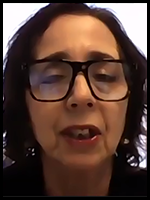 Patricia Bourne, who is the Director of Economic Development and Planning at the City of Long Beach, spoke next on the challenges the City faced. Long Beach is a little different from other communities in that it was always planned with walkability in mind. There is less parking due to a limited amount of space available, so Long Beach has worked to make it easier for people to come and bike and walk year round.
Their biggest issue that they’re working on right now is connecting the various modes of transportation within the City. There is a multi-modal transportation hub that can connect bike lanes, the boardwalk, and the local bus system. Pedestrian safety is an ongoing concern that run through all of their projects as well.
Even with a focus on walkability, COVID has hit local businesses hard in Long Beach as well. The municipality is working to provide support to the local retail sector and to expand public spaces for use by small businesses. They are also beginning to re-open recreational areas to the general public, so there is a unique set of practical challenges coming from that.
Here are some quotes from Ms. Bourne's presentation:
“Statistics show that Long Beach residents use non-motorized transportation two times more than the average suburban community. That is because we are a bicycling community, we are a walking community. Parking is very limited because of our density, so people turn to other alternatives naturally. We support this and encourage it.”
“We are, not surprisingly, a complete streets community, passing legislation back it 2013 and it is incorporated into all of our infrastructure bidding.”
The next part of the event was a Suffolk County panel that included a wide array of subjects ranging from countywide biking efforts to what local villages are doing to improve street safety and expand use. We also heard from the Shinnecock Tribal Nation on their unique issues of dealing with traffic safety on their reservation. Like the Nassau panel, there was a sense that communities are still working to counteract effects of the pandemic and to encourage multiple forms of transportation that encourage people to come to downtowns.
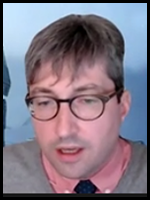 Jonathan Keyes, who is the Director of Downtown and Transit Oriented Development at Suffolk County, gave a presentation focused on the Suffolk’s efforts to implement a new plan for hiking and biking trails. This is not the first time such an effort has been undertaken, as there has been a comprehensive bike lane plan on the books since 1972, though it hasn’t made much progress.
The current initiative involved the County creating one of the most extensive bike and hike trail maps it has ever seen. People can now go on to the County’s website and view this map in order to find local paths available to them. The next step in the plan is to figure out and create connections to all the trails so that people can better walk and bike to separate sections of Lone Island.
The effort here will greatly increase connectivity of our communities as over 1,200 miles of trails and facilities have been proposed. Suffolk is looking to install high quality infrastructure for use by local residents. Completion of the proposed expansion would put 84% of Suffolk residents within walking distance of a hiking trail or bike path.
Here are some quotes from Mr. Keyes' presentation:
“Using funding from NYMTC, we set out a few years ago to develop a countywide hike and bike masterplan. We laid out goals such as safety, connectivity, equity, education and health & environment.”
“We are proposing over 1,200 miles of hike and bike facilities; 802 miles of bike lanes; 75 miles of buffered bike lanes; and 250 miles of shared use paths. When it is all built out, 84% of Suffolk’s population will be within ½ mile radius of a hike-bike facility. We think that’s awesome.”
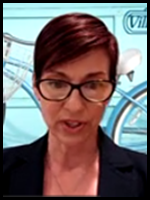 Our next speaker was Babylon Village Trustee Robyn Silvestri, who talked about biking improvements made in the village in recent years. She noted that Babylon has a good amount of population, 12,000 residents, packed into 2 square miles.
A few years ago some residents approached the village looking to create a commission to promote and advocate for biking in Babylon. The committee created found the idea to be worthwhile, and was able to bring in a low-cost bike share program. The program has proven to be very popular with 6 stations strategically placed around the Village. The program has proven to be used more for recreational than practical purposes, with the most popular rental spots located in local lakes and state parks.
All of this has really lifted biking as a recreational activity within the Village. Babylon is now working to create programs and festivals focused on biking in the community. However, they now face the challenge of carving out bike-safe roads. Signage is being created that will show maps and encourage people to share the local streets with bikes, but there will most likely be more action later.
Here is a quote from Ms. Silvestri's presentation:
"We established a committee, made up of village residents and members of our code enforcement, to promote and advocate for safe bicycling throughout our village. The why is really important, because it’s good for our health and it’s good for the environment.”
You can view Trustee Silvestri's presentation here.
 The next Suffolk speaker was Lindenhurst Trustee RJ Renna, who gave a report on the explosive growth going on in his village and how they are trying to create better use of their public space. As more and more millennials move into the village, Lindenhurst has been studying how best to increase pedestrian safety and expand walkability in their downtown.
Part of this was commissioning a study by Greenman Pedersen, Inc, which recommended adding bulb outs, rectangular rapid flash beacons, and other major improvements. They were also fortunate enough to receive funding from the Jump Start program in Suffolk County, which will go towards overhauling the main thoroughfare and turning travel in their downtown into a more complete experience.
Like many other municipalities, Lindenhurst experimented with closing sections of streets and expanding public spaces to allow for a more spread out experience. The village hosted small, outdoor concerts and encouraged people to get takeout and eat outside in the village. They are also working to make things easier for local businesses, which are suffering right now but can be helped by encouraging people to come to the downtowns.
Here are some quotes from RJ Renna's presentation:
“Over the last two years we have had an explosion in our community. It is getting to be known as the millennial magnet, which is an awesome thing to be known for.”
“We work with an amazing firm called GPI to do these bulb outs, and projects to increase pedestrian safety on our main street. The County provided jumpstart money to actually implement these projects. It’s one thing when the County funds the study, it’s another when the County actually backs what the study produces.”
“We are going to be overhauling all of Wellwood Avenue, our main thoroughfare, this summer, 2021, taking up the entire road, changing the angles, adding bulb outs and adding rapid response flashing beacons.”
“As a government, we have to try our hardest not to make things hard… Get a plan, get it going, we’ll worry about the paperwork later. We need to get people into the Village and we need to keep these businesses open.”
You can view Trustee Renna's presentation here.
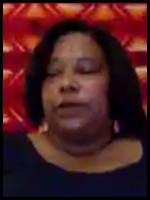 Our final speaker for this panel was Lauryn Randall, who is the Transportation Coordinator for the Shinnecock Department of Transportation. Ms. Randall covered the challenges faced as an indigenous community located on a reservation on the East End of Long Island. She noted that there are many paths and trails running through the reservation along with a main road running through it.
Her transportation department is a fairly new department and is responsible for maintaining roads and trails. Their man road, known as Church Street, runs through the center of the reservation and has playgrounds and clinics along it. This has raised concerns over people speeding through the middle of the reservation and endangering the local community. The department collaborated with the local community to apply for grants and try to make safety improvements.
After securing funding they were able to remove vegetation to improve visibility, which made local residents feel safer. At the same time they conducted events that would teach walking safety to those who were looking cross the road, mainly children seeking to use the playground. They also held an event where local children created crossing lanes for box turtles, which migrate through the area annually.
While they still have work to do, the efforts of the Shinnecock DoT is a good example of a community coming together to encourage traffic to slow down and be considerate of local residents. The Nation has also been collaborating with Western Suffolk BOCES and Stony Brook University Hospital, with their Creating Healthy Schools & Communities grant.
Here are some quotes from Ms. Randall's presentation:
“While we live in our various communities, we all use and pay for the same highways, trains, and buses. In that way, we are interdependent. My hope is we can find solutions to ensure a safe and equitable transit system for Long Islanders today and to come.”
“We have teamed up with Vision Long Island and we did a walking audit on the reservation, trying to figure out ways to improve the safety for kids who want to bike and people who want to walk on our roads. We are trying to find ways to increase safety and increase walkability within our community.”
You can view Ms. Randall's presentation here.
After the two panels concluded we had a couple of guest speakers give updates on projects that will help raise safety and walkability in local communities.
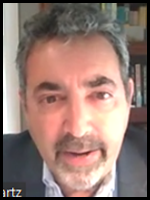 Ken Schwartz from VHB was the first guest speaker, talking about a new tool that the company has come up with to promote healthy community design. He noted that it may have taken a pandemic to raise awareness but that people are beginning to understand how important it is to integrate health in the way that planning is approached.
This new tool, developed by VHB and known as Healthy Mobility Model, gathers all sorts of data from neighborhoods that planners can use to help create healthy communities. The tool will analyze land use and design mobility factors to forecast a likely health outcome associated with different types of developments. This will help planners to identify and prioritize certain types of development that promote healthier lifestyles.
This tool is looking to be a robust data source that can coordinate factors that run from increased risk of heart disease to a lack of internet connection when considering health in our communities. Almost any aspect of health and quality of life can be incorporated into the data and can help local communities seeking to create a healthier lifestyle.
Here are some quotes from Mr. Schwartz's presentation:
“Unfortunately, it took a pandemic to raise the awareness, even more so, about how important it is to integrate health into the way we approach planning.”
“All the data shows there is a relationship between the built environment and health.”
“We, as planners, have the opportunity to help prevent the disease, rather than the doctors who are there to treat the disease. By designing our built environment in a way that promotes healthy living and healthy activity, there is an opportunity to have a real impact on these epidemic health indicators.”
You can view Mr. Schwartz's presentation here.
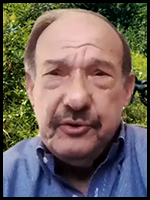 Danny Gold from the Trust for Public Land was the final speaker for our virtual summit, and gave an update on the Long Island Greenway. The Greenway is a new and exciting initiative that is seeking to create a connected hiking trail thatwill ultimately stretch 125 miles from Montauk to Battery Park in NYC.
There is now a pilot plan in place that will include a stretch that uses utility routes that run from Eisenhower Park to Brentwood State Park. Mr. Gold’s organization has received a number of grants to help complete part of the trail and now seem like they may be funded enough to actually finish their work on designing the Greenway.
Once they have done so they will turn those plans over to New York State, who will be responsible for finalizing plans and completing construction.
Here are some quotes from Mr. Gold's presentation:
“The Long Island Greenway will be a multi-use trail for bicyclists and walkers across the length of Long Island. The first segment will be 25 miles linking Eisenhower Park to Bethpage State Park to Brentwood State Park”. This trail, the Long Island Greenway, will bring strong economic, health and recreational benefits to 250,000 Long Islanders who live in close proximity to the trail.”
“This trail, the Long Island Greenway, will bring strong economic, health and recreational benefits to 250,000 Long Islanders who live in close proximity."
The consensus from the Summit was to move forward on making funding for walking and biking a major priority in federal and state infrastructure programs and projects. The more immediate priority is to open more Long Island downtown streets and parking lots for outdoor dining and activities in the coming months.
You can View a Video of Day 1
from this Event here.
You can View a Video of Day 1
from this Event here.
You can View the Virtual Packet, along with important information about Complete Streets, here.
Check out Press Coverage from Long Island Business News here.

 |
Vision Long Island 24 Woodbine Ave., Suite Two Northport, NY 11768 Phone: 631-261-0242 Fax: 631-754-4452 Email: info@visionlongisland.org Website: www.visionlongisland.org |




Home | Contact Us | Newsletter Archive | Donate | About Us
